


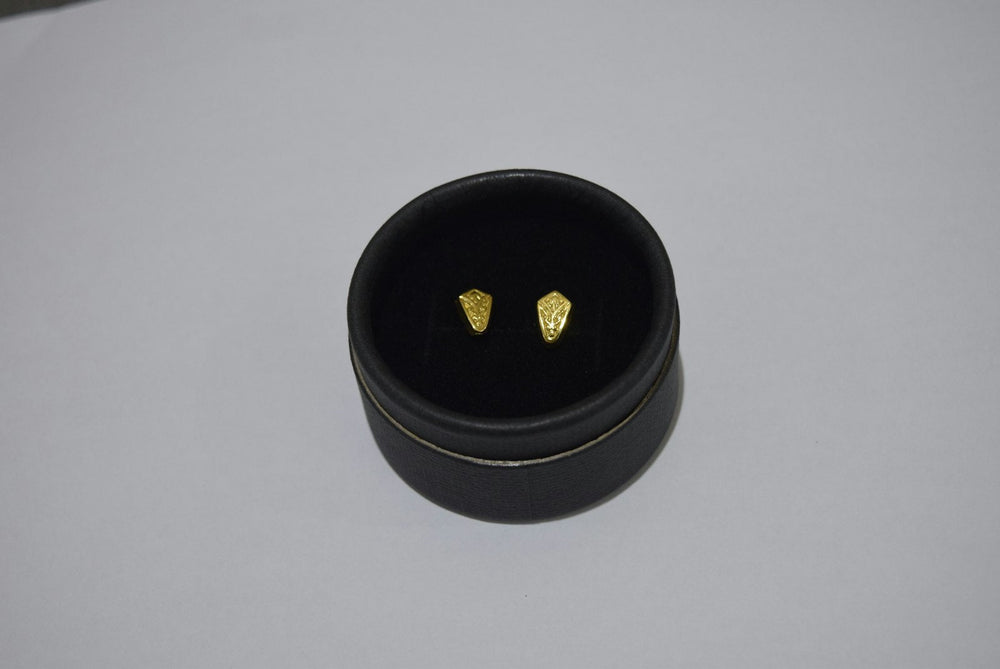
Choose earrings for longer wear by considering weight, closure type, proportions, comfort and how the pair fits your everyday routine.
Buying Guide


Crystal Radiance Pendant Necklace


Crystal Frame Pendant Necklace


Sunshine Heart Pendant Necklace

Gold plated jewellery can stay part of an everyday wardrobe when it is treated as a finished jewellery piece rather than something that never needs maintenance. The visible gold layer can be affected by moisture, sweat, perfume, cosmetics, friction and cleaning products, so a few simple habits can help you keep each piece looking its best.
Why Gold Plated Jewellery Needs Care
Gold plated jewellery has a layer of gold applied over another material. Because the gold is a surface layer, repeated exposure to moisture, chemicals, friction and handling can affect its appearance over time. The exact construction and care requirements can vary by product, so the individual product listing and supplied care instructions should always be the source of truth.
Put Jewellery On Last
One of the easiest habits is to make jewellery the final step of getting ready. Apply perfume, moisturiser, sunscreen and makeup first, allow them to settle, and then put on your necklace, earrings, bracelet or ring. This reduces unnecessary direct contact between cosmetic products and the jewellery finish.
Can You Wear Gold Plated Jewellery Every Day?
Gold plated jewellery can be part of an everyday jewellery wardrobe, but frequent wear naturally means more exposure to sweat, moisture, friction and handling. If you wear a favourite piece regularly, build simple care into the routine instead of waiting until the jewellery looks dull or dirty.
For example, a necklace worn at work may experience less exposure than a piece worn during exercise or outdoor activities. Your routine can therefore change depending on when and where you wear the jewellery.
When Should You Remove Gold Plated Jewellery?
How to Clean Gold Plated Jewellery
Start with the least aggressive method. Gently wipe the piece with a soft, clean cloth to remove surface residue. If the individual product's care instructions allow washing, use mild soap and lukewarm water, rinse carefully, and dry completely with a soft cloth.
Avoid aggressive scrubbing, abrasive materials and harsh household chemicals unless the product instructions specifically say otherwise. More cleaning is not automatically better; unnecessary friction can be avoided by using gentle methods and cleaning only when appropriate.
How to Store Gold Plated Jewellery
Storage matters because jewellery can be damaged even when it is not being worn. Keep pieces in a clean, dry place away from unnecessary moisture. Separate individual pieces where possible so chains do not tangle and surfaces do not rub against one another.
What Can Affect the Finish?
Repeated exposure to moisture, sweat, perfume, cosmetics, chemicals and friction can contribute to changes in the appearance of plated jewellery. The rate of wear is not identical for every piece, so avoid relying on a fixed lifespan or a universal durability promise.
Handling also matters. Pulling a chain, catching a pendant on clothing or repeatedly rubbing a piece against another item can create avoidable wear. Gentle handling is therefore part of good jewellery care.
Anti-Tarnish Does Not Mean Maintenance-Free
Anti-tarnish jewellery still benefits from sensible care. The term does not mean a piece is immune to every environmental condition, cosmetic product, chemical exposure or physical wear. Care instructions remain important because different jewellery designs and components can have different requirements.
A Simple REVOSHA Care Routine
Care for Different Jewellery Types
Necklaces benefit from keeping chains untangled and clasps closed during storage. Rings should be removed before activities where they may experience repeated impact, moisture or chemicals. Earrings should be handled by their posts or closures rather than pulling on decorative elements. Bracelets can benefit from the same dry-storage and cosmetic-product precautions as necklaces.
For more detailed product-specific guidance, visit our Jewellery Care page. You can also explore gold plated necklaces, gold plated rings, gold plated earrings and gold plated bracelets.
Frequently Asked Questions
How often should gold plated jewellery be cleaned?
There is no universal schedule. Clean a piece when it needs it and follow its specific care instructions. Gentle wiping after wear may be enough for routine surface residue.
Can I use household jewellery cleaners?
Do not assume a general jewellery cleaner is suitable for every plated piece. Avoid harsh chemicals unless the individual product instructions specifically permit them.
What is the safest storage method?
A clean, dry storage space with individual pieces separated is a practical starting point. The goal is to reduce unnecessary moisture, tangling and friction.
Related REVOSHA guides: Is Gold Plated Jewellery Good for Daily Wear? · Gold Plated Jewellery: Complete Guide for Modern Buyers · Jewellery for Travel: Styling and Care Tips
A Simple Care Routine
Good jewellery care is mostly about reducing unnecessary exposure and friction. Make a few habits automatic: put jewellery on last, remove it when the product guidance recommends, wipe away surface residue gently and store each piece in a clean, dry place.
Cleaning and Storage Work Together
Cleaning is only one part of maintaining gold plated jewellery. If a piece is cleaned but then stored damp, tangled with other chains or exposed repeatedly to cosmetics, the same problems can return. A simple routine combines gentle cleaning with sensible storage.
How to Handle Jewellery After Wearing It
After removing a necklace, ring, bracelet or earrings, take a moment to check for visible residue. If the product instructions allow it, gently wipe the surface with a soft clean cloth. Let the piece dry completely before placing it into storage.
Care for Different Jewellery Types
Daily Wear and Rotation
If you wear the same piece every day, consider rotating it with another suitable design. Rotation makes it easier to give each piece a break and to clean or inspect it between wears.
When to Stop and Check the Product Instructions
If you are unsure whether water, soap or a cleaning product is suitable, do not experiment. Use the least aggressive option and check the individual product instructions first.
Explore Related REVOSHA Guides
For more practical guidance, read our Why Does Gold Plated Jewellery Turn Black? Causes, Prevention & What to Do and How to Store Jewellery So Necklaces Don't Tangle and Pieces Stay Protected.


Handpicked articles to help you learn more about jewellery, styling, and care.
Choose earrings for longer wear by considering weight, closure type, proportions, comfort and how the pair fits your everyday routine.
Understand the basic differences between gold plated and solid gold jewellery and what online buyers should check before making a...
Learn why necklace chains kink or bend, how storage and movement contribute, and what habits can help keep chains in...
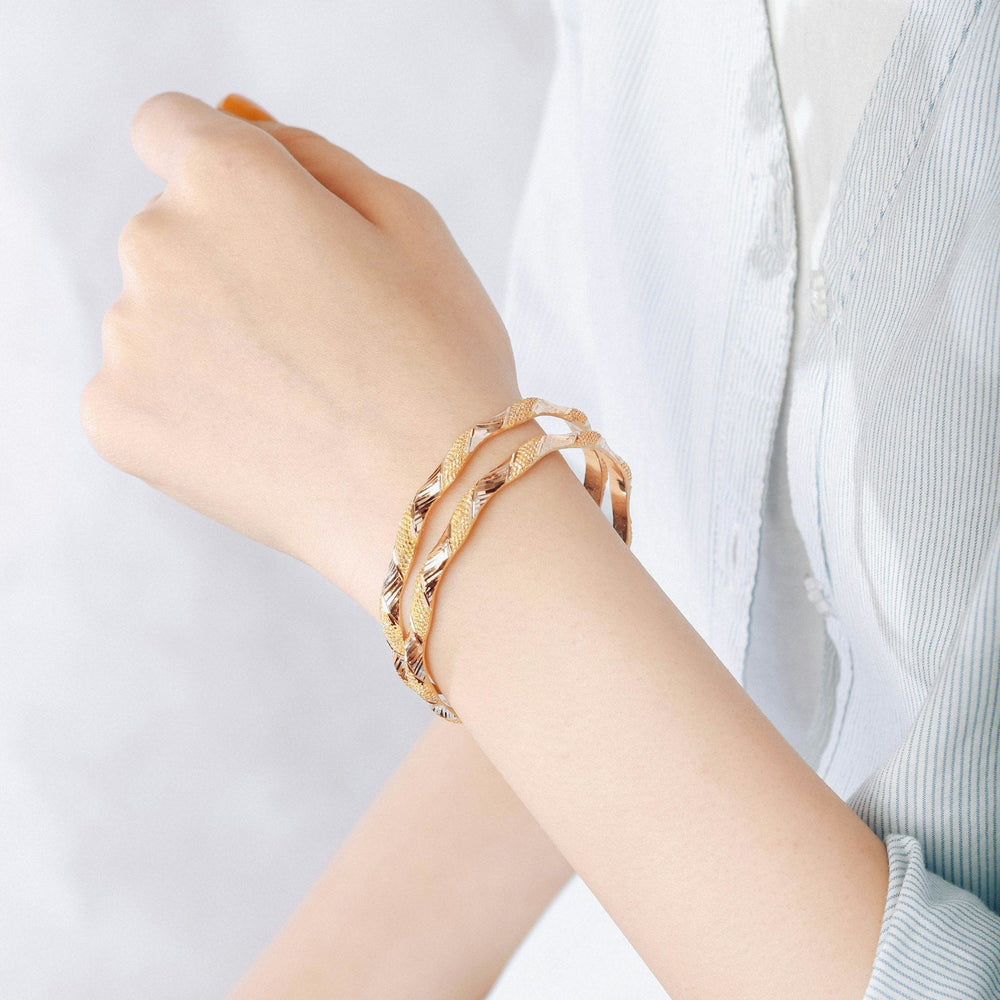
Learn how to stack bracelets with different shapes and weights while reducing scratching, tangling and visual clutter.
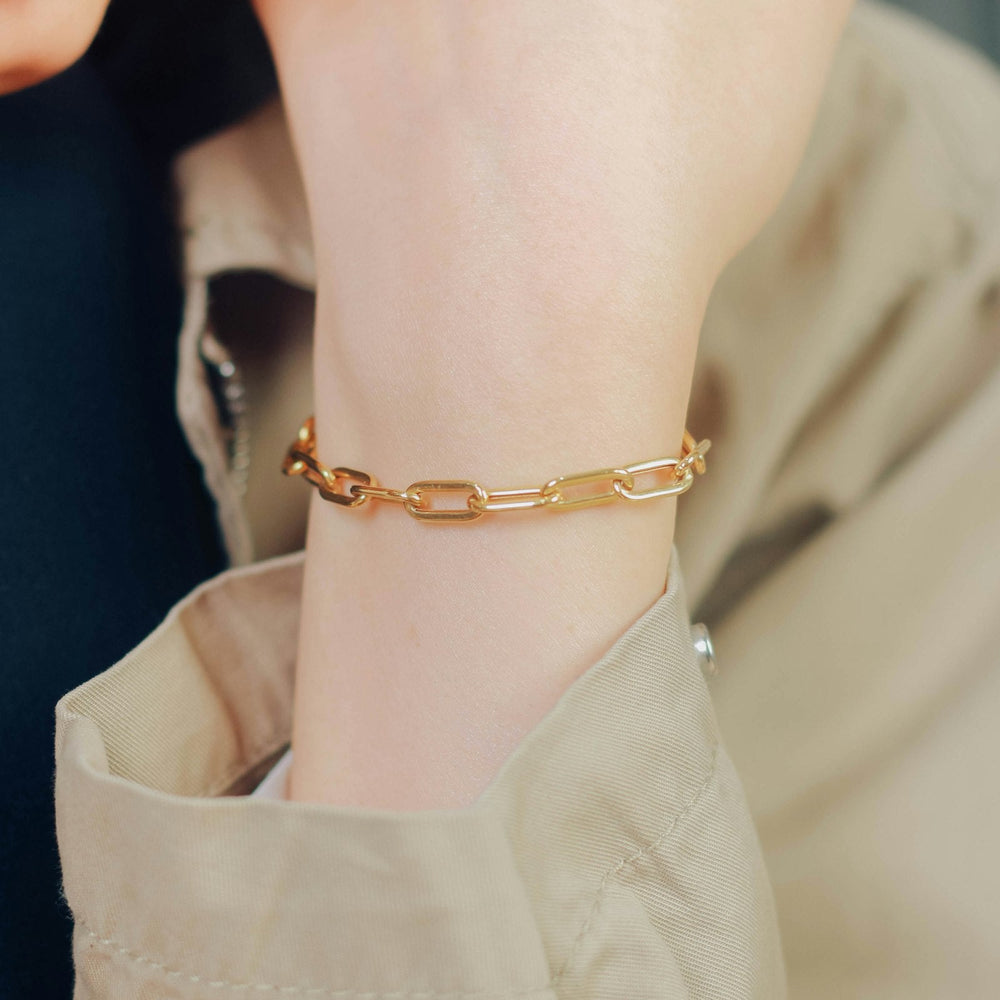
Learn why a bracelet slides up your wrist and how bracelet size, weight, wrist shape and movement can affect where...

Learn how to pair gold plated necklaces, earrings, rings and bracelets with Indian outfits by balancing neckline, occasion, colour and...

Choose a jewellery gift without knowing the recipient's size by focusing on flexible styles, proportions, existing preferences and practical details.
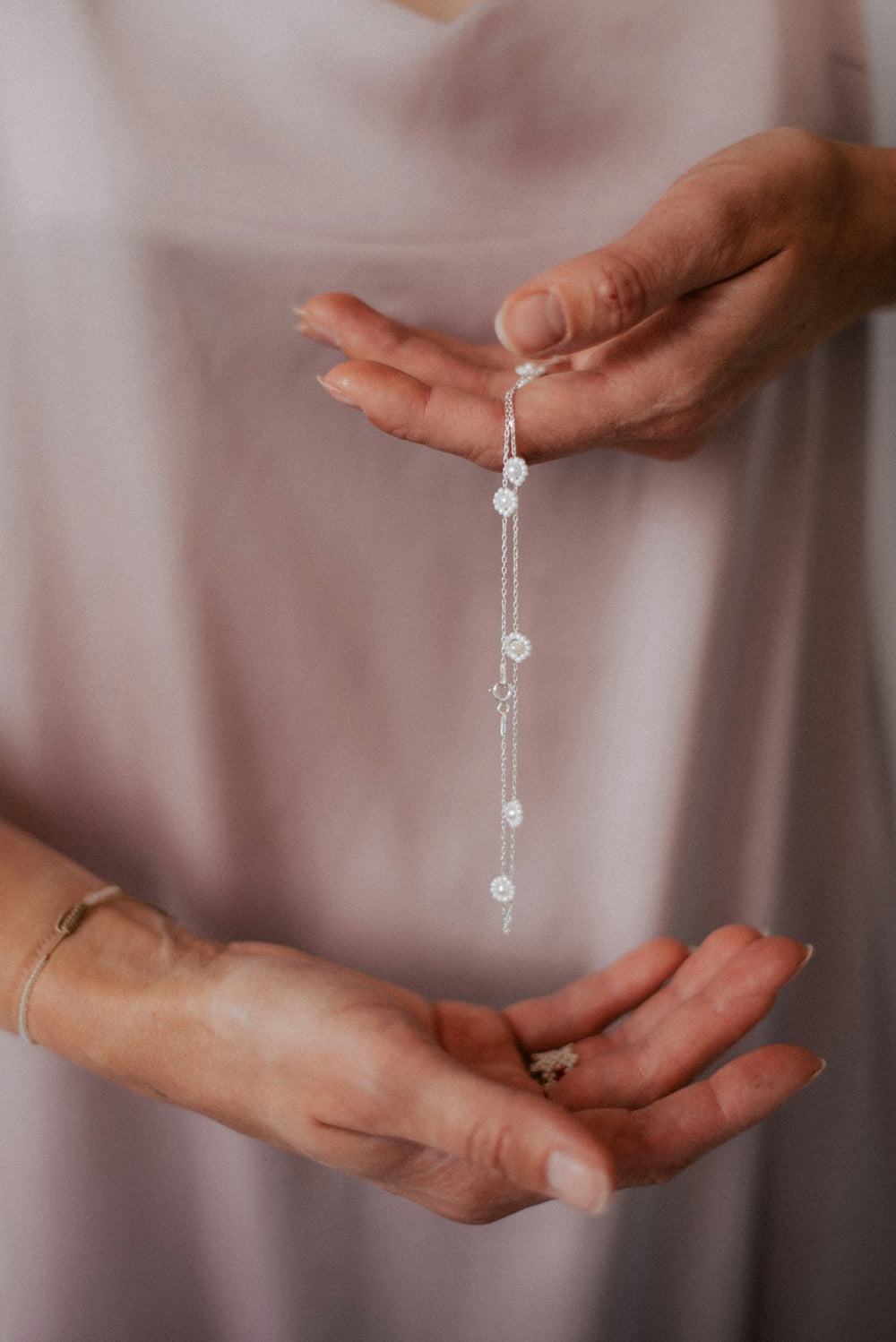
Learn how to pack necklaces, rings, earrings and bracelets for travel while reducing tangling, scratching, moisture exposure and loss.

Learn why necklaces tangle, which habits make tangling worse, and how to store and wear chains to reduce knots and...

Learn why a ring spins around your finger and how fit, finger shape, ring weight and daily movement can affect...

Choose everyday jewellery for office wear by considering scale, comfort, outfit compatibility, repeat wear and how easily pieces can be...

Use this checklist to review materials, dimensions, care instructions, sizing, delivery and returns before buying gold plated jewellery online.
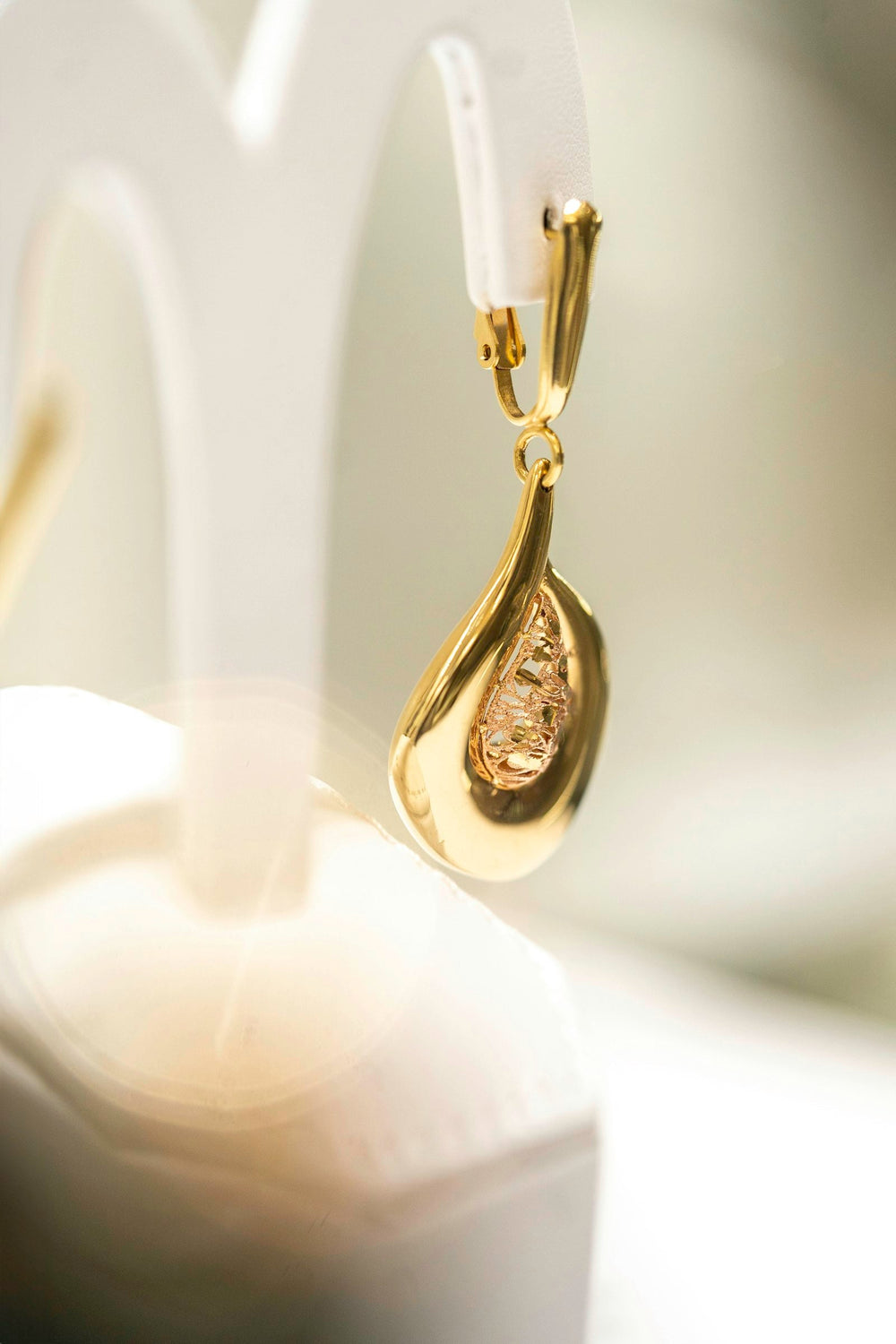
Learn why gold earrings can turn dark, how moisture, residue and wear contribute, and how to care for them without...
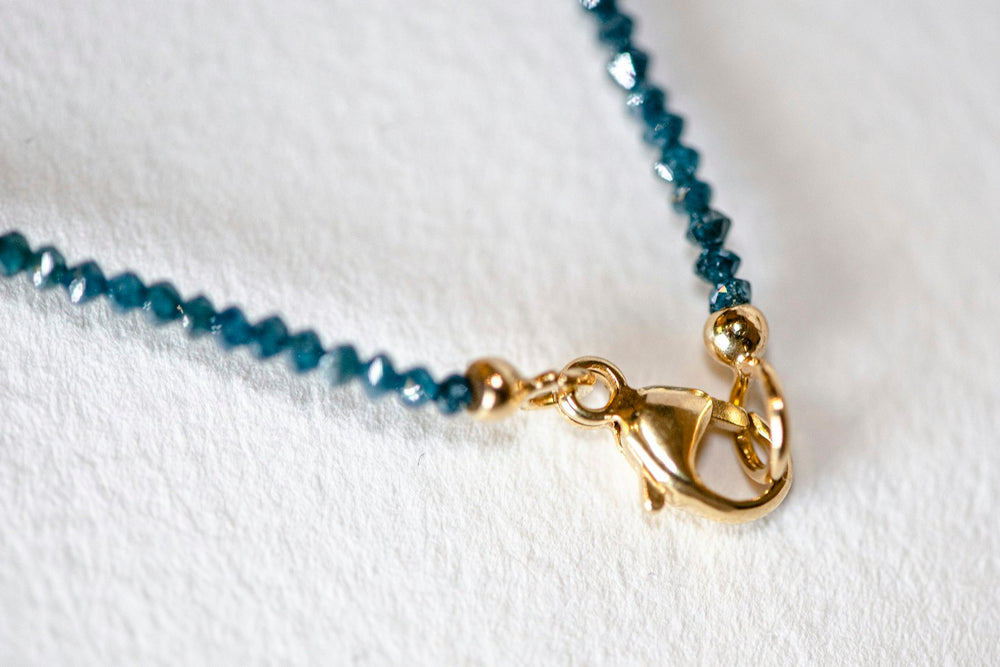
Find out why a necklace clasp can move to the front, how chain weight and movement affect it, and what...
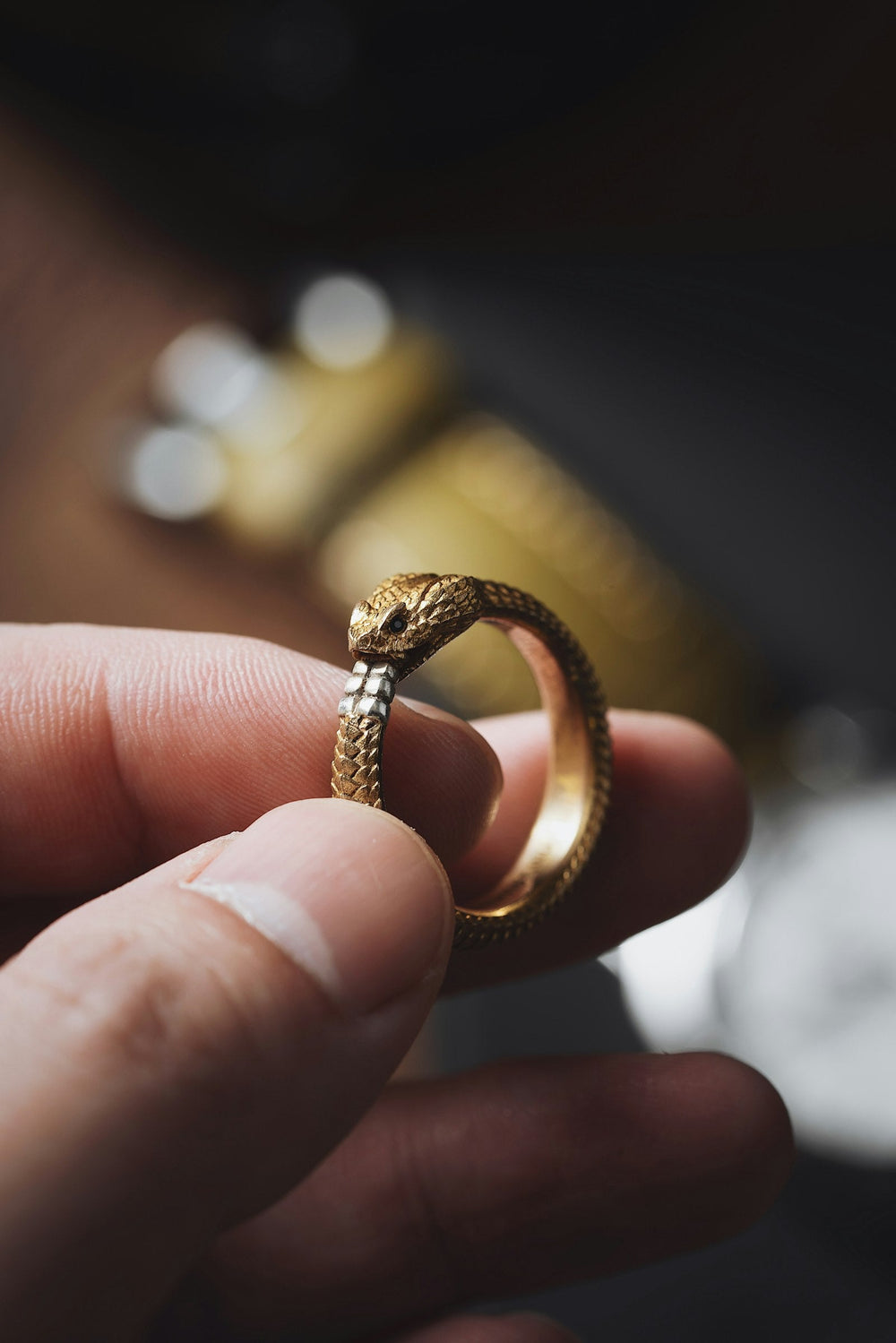
Learn a simple way to measure ring size at home and use the result when choosing jewellery online, with practical...

Learn a gentle, practical way to clean gold plated jewellery while avoiding unnecessary abrasion, harsh chemicals and moisture-related mistakes.
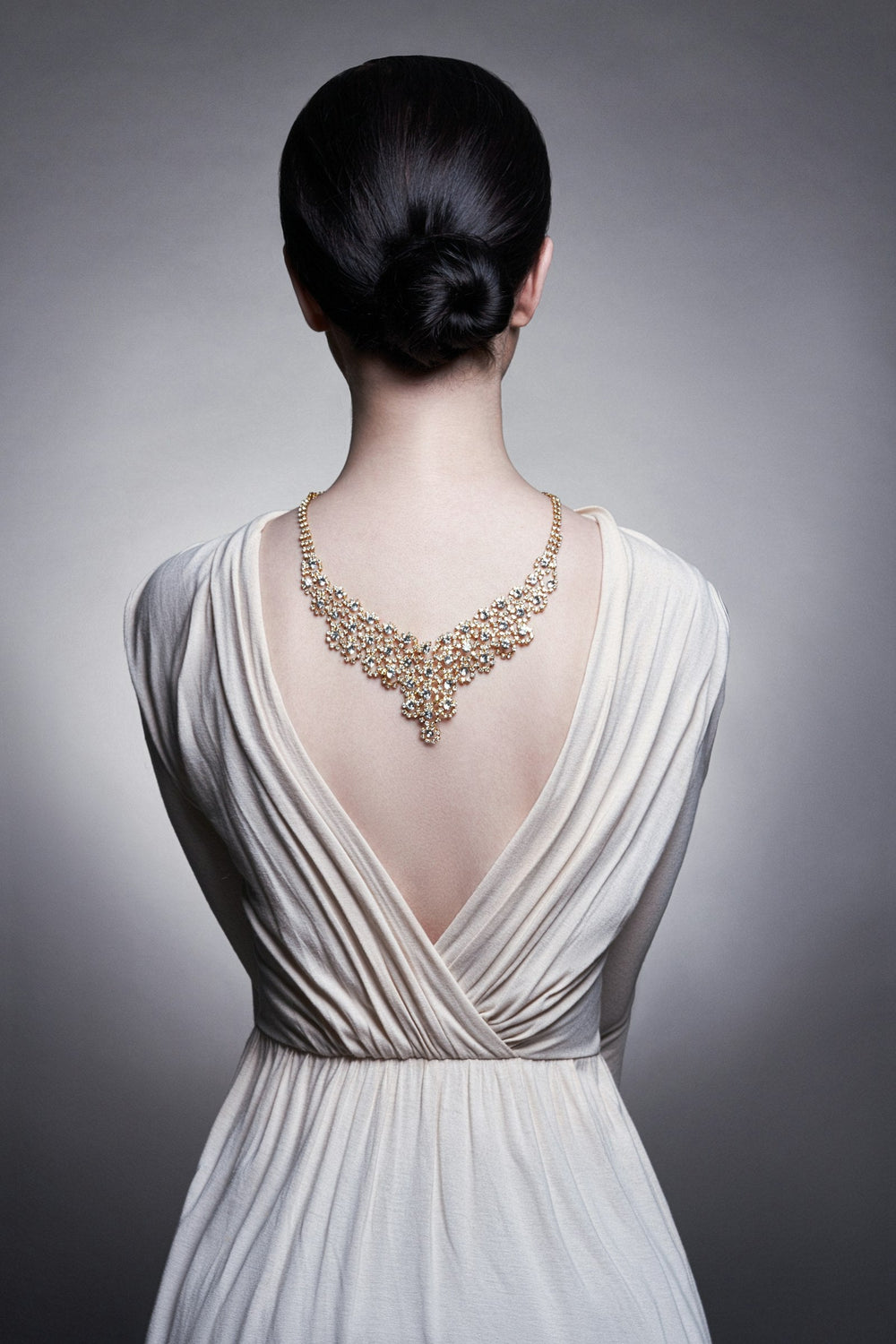
A practical guide to choosing necklace styles by look, occasion and layering preference, with links to REVOSHA's necklace collections and...
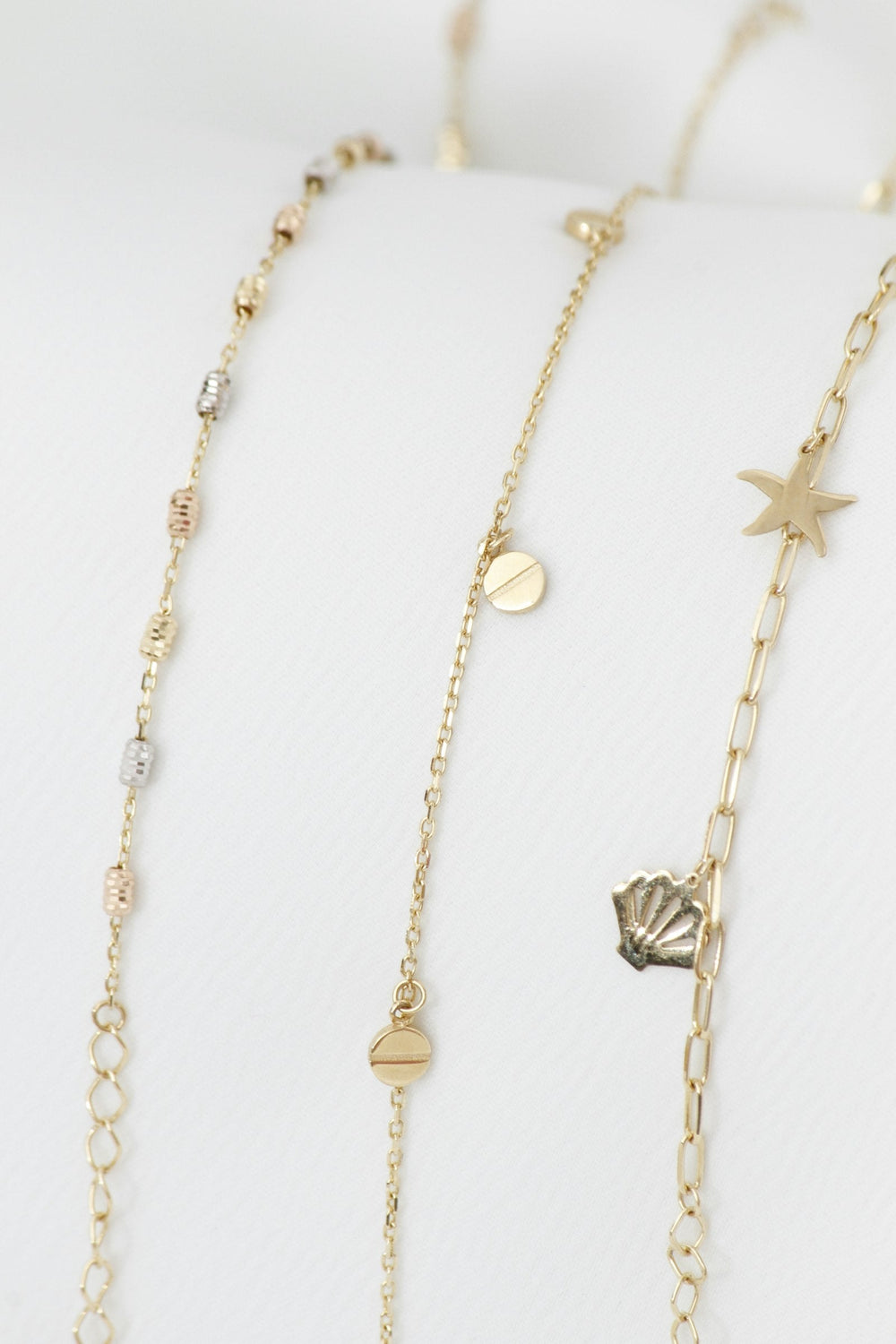
Simple necklace layering tips covering lengths, focal points, outfit necklines and how to combine chain, pendant and layered styles.

Understand what affects the wear of gold plated jewellery, including friction, moisture, personal-care products, storage and everyday use.
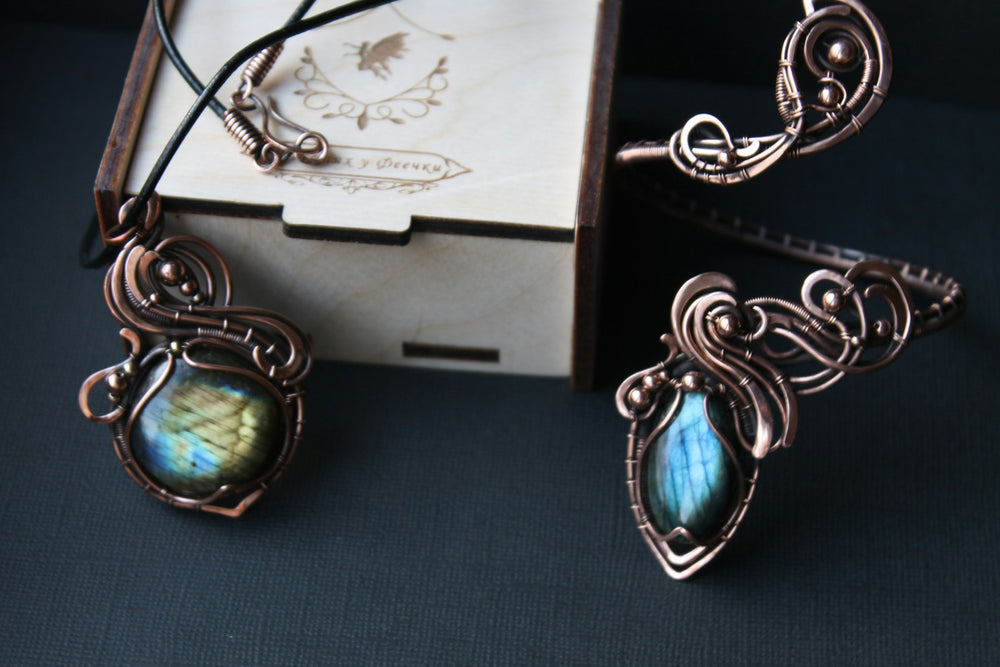
Learn how to store necklaces, rings, earrings and bracelets to reduce tangling, scratching, moisture exposure and unnecessary tarnishing.

Learn why jewellery can leave green marks on skin, what causes them, how to reduce them and what to check...
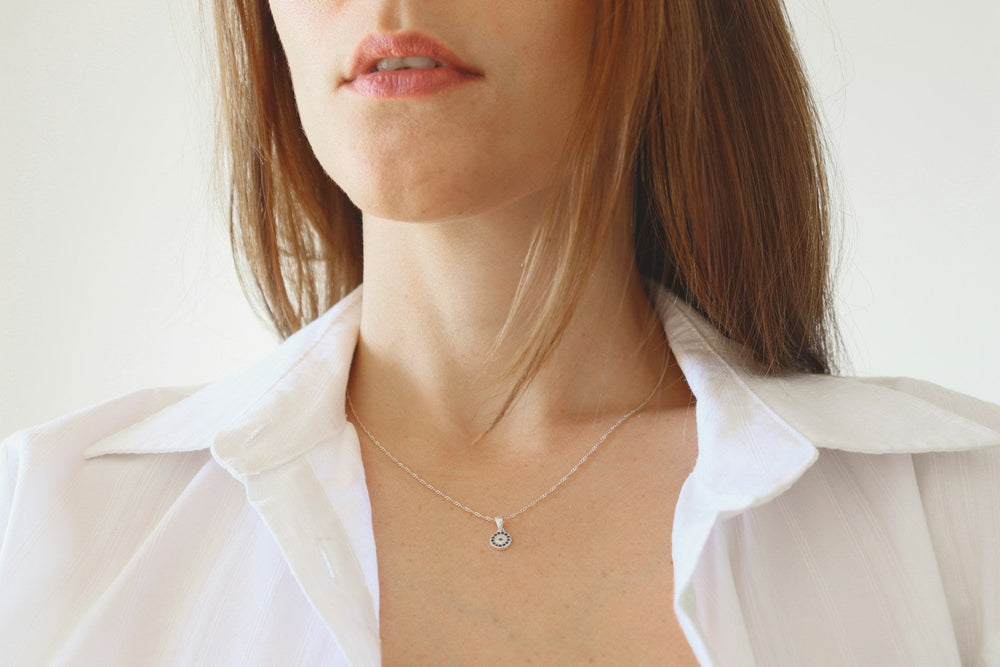
Find out when to remove gold plated jewellery for showering, sleeping, swimming and exercise, plus simple habits that can reduce...
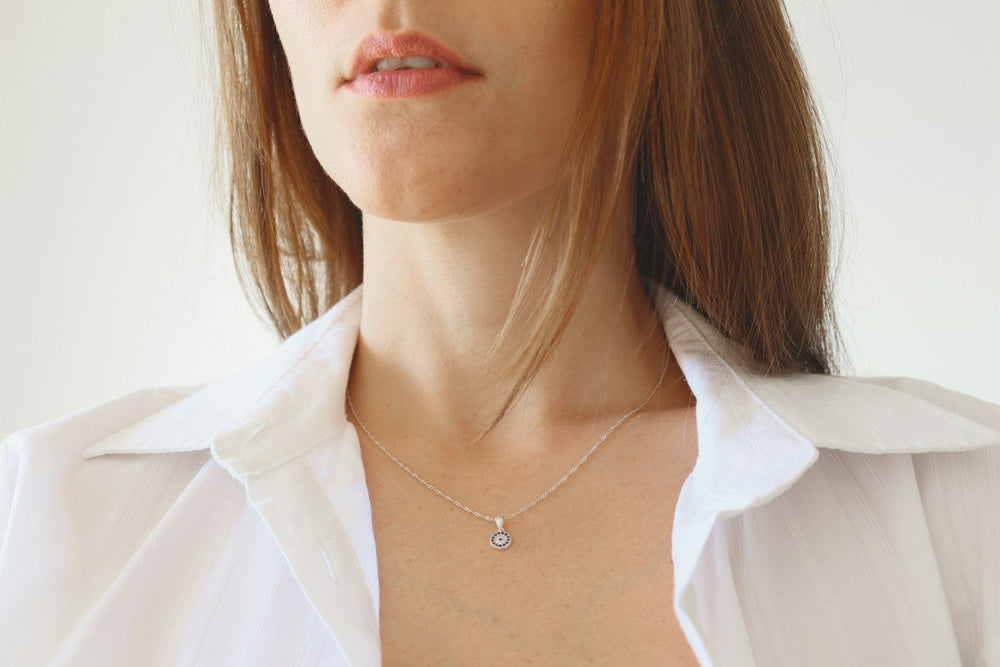
Learn why gold plated jewellery can turn dark, how moisture, sweat, products and friction affect it, and how to prevent...

Choose a meaningful jewellery gift with practical tips for selecting necklaces, rings, earrings and bracelets for different styles and occasions.

Wondering about gold plated jewellery for daily wear? Learn what to check, how to care for pieces and how to...
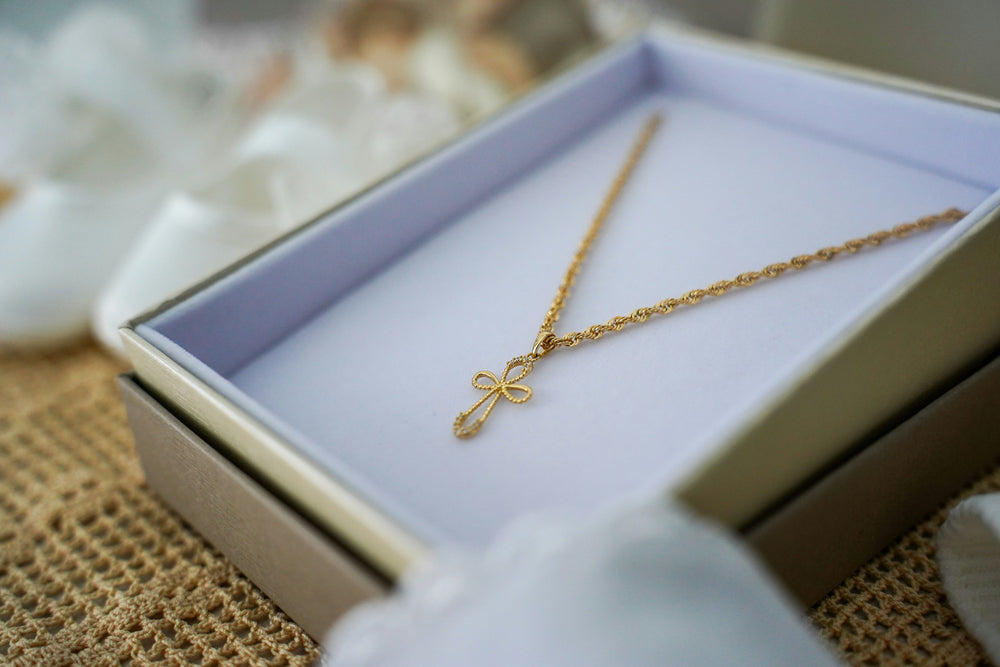
Shop REVOSHA jewellery for gifting and everyday style. Explore necklace, ring, earring and bracelet ideas for meaningful occasions.
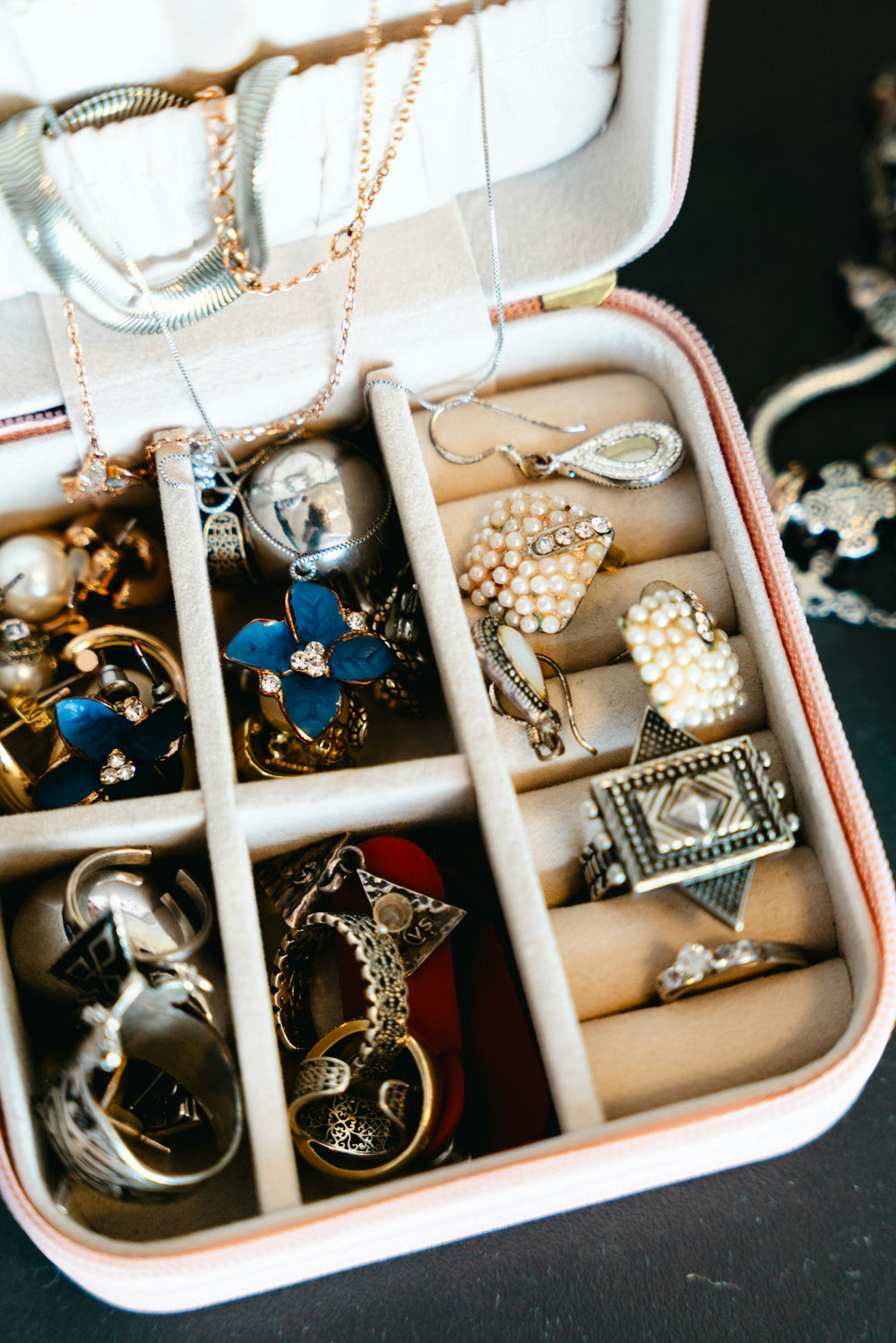
A practical guide to gold plated jewellery, including what the finish means, what to check before buying and how to...

Practical jewellery travel tips for packing, styling and caring for necklaces, rings, earrings and bracelets on your next trip.
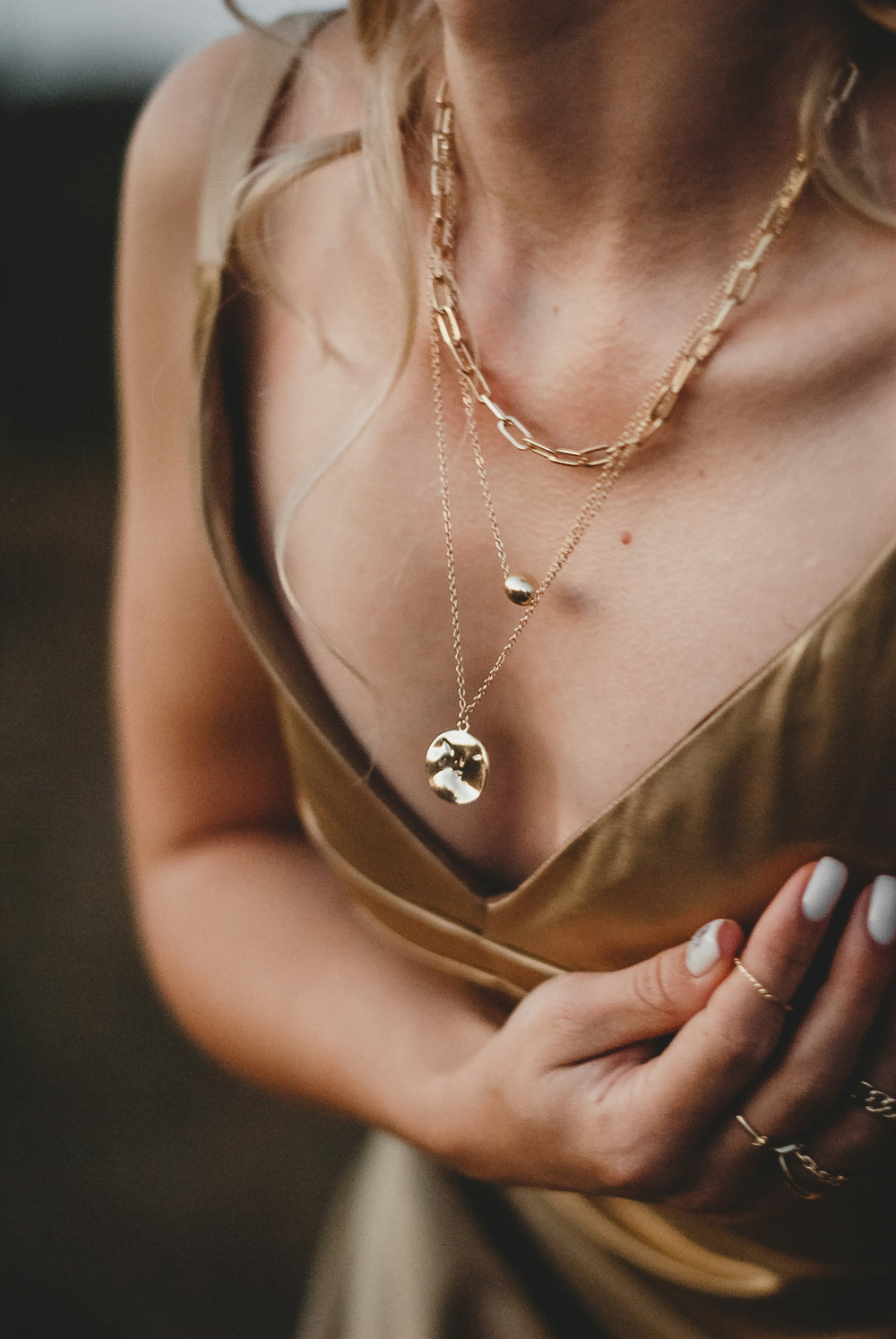
A practical buyer’s guide to choosing gold plated jewellery, including what to check in product details, materials, care guidance and...