


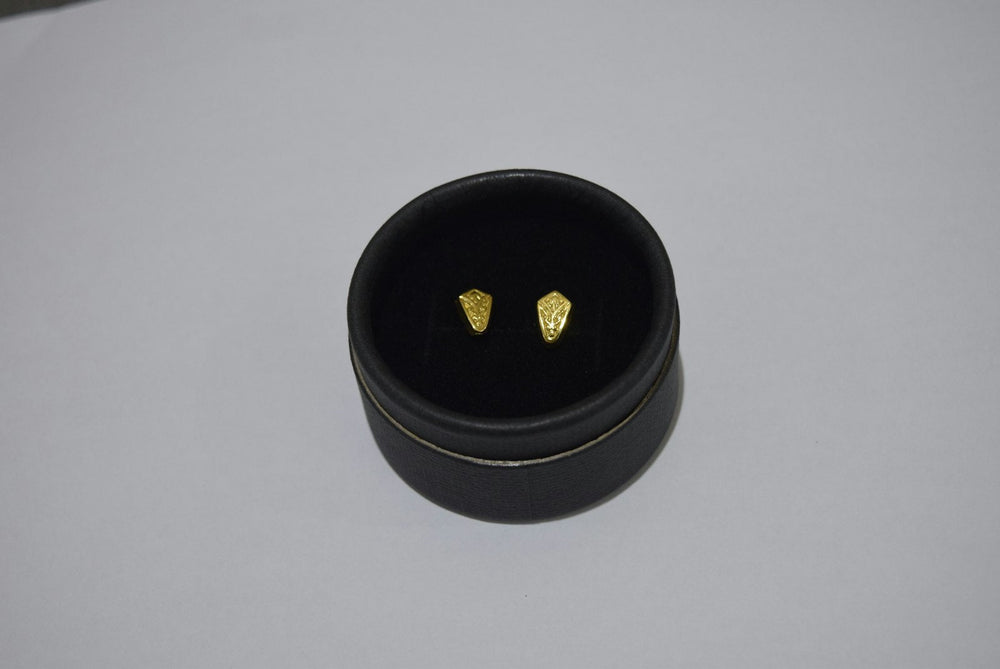
Choose earrings for longer wear by considering weight, closure type, proportions, comfort and how the pair fits your everyday routine.
Buying Guide


Crystal Radiance Pendant Necklace


Crystal Frame Pendant Necklace


Sunshine Heart Pendant Necklace

You put on your necklace, check the pendant in the mirror and everything looks perfect. A little later, you notice the clasp has somehow moved around to the front. It can be annoying, especially when the clasp becomes visible beside the pendant or keeps touching your skin.
This does not automatically mean the necklace is defective. The way a chain sits is affected by movement, weight distribution, the clasp, the pendant and even the shape of the chain itself.
Why does the clasp move to the front?
The simplest reason is movement. When you walk, turn your head, adjust your clothes or move your shoulders, the necklace shifts on the skin. If the clasp or chain section is heavier than the surrounding links, gravity can gradually pull it around.
Hair, collars and friction from clothing can also push one part of the chain while the rest stays in place.
The pendant can change the balance of the chain
A pendant adds weight to one point of the necklace. Depending on the chain design, that weight can encourage the chain to rotate around the neck while you move.
This is especially noticeable with lightweight chains and relatively heavier pendants. The pendant stays near the centre while the chain moves around it, making the clasp more likely to travel.
Hair and clothing are common hidden causes
Long hair can catch a chain and change its position without you noticing. High collars, scarves and textured fabrics can create similar friction.
If your clasp moves mostly when wearing a particular shirt or hairstyle, the problem may be the interaction between the necklace and what you are wearing rather than the necklace itself.
Check whether the necklace is twisted
A twisted chain can behave differently from a chain that is lying flat. Before wearing it, hold the necklace by the pendant and let the chain hang freely. Gently straighten any visible twists instead of pulling hard on the links.
If you frequently layer necklaces, separate the chains first and make sure each one is sitting flat. Our necklace layering guide covers practical ways to build a cleaner layered look.
Try a simple positioning routine
This takes only a few seconds and can prevent the clasp from starting in an awkward position.
What about necklace extenders?
An extender can change where the clasp sits by adding length, but it is not a universal fix. The result depends on the chain, pendant weight and how the necklace sits on your neck.
If you are considering an extender, make sure the added component is compatible with the necklace and does not create excessive weight at the back.
Does a different chain design help?
Yes, chain construction can influence how a necklace moves. A more substantial or balanced chain may behave differently from a very delicate one. The pendant's size and weight also matter.
When choosing a necklace for everyday wear, consider how the entire piece behaves together rather than judging only the pendant design.
When should you inspect the clasp?
If the clasp opens unexpectedly, feels loose, does not close securely or looks visibly damaged, stop treating the issue as normal movement and inspect the hardware.
Regular movement of the clasp is one thing; a fastening mechanism that cannot close securely is a different problem and should be addressed before wearing the necklace outside the home.
Keep the necklace protected when you are not wearing it
Do not leave necklaces in a tangled pile. Store them separately so the chain does not develop unnecessary bends or knots. Our jewellery storage guide explains simple ways to organise necklaces, rings and earrings.
The practical takeaway
A clasp moving to the front is usually a combination of movement, weight distribution, friction and chain design. Straighten the chain before wearing it, keep hair and clothing from catching it, avoid unnecessary twisting and inspect the clasp if it is not closing properly.
Explore Related REVOSHA Guides
For more practical guidance, read our Why Do Necklaces Tangle So Easily? Causes, Prevention & Storage Tips and Why Does My Necklace Chain Kink or Bend? Causes & Prevention.


Handpicked articles to help you learn more about jewellery, styling, and care.
Choose earrings for longer wear by considering weight, closure type, proportions, comfort and how the pair fits your everyday routine.
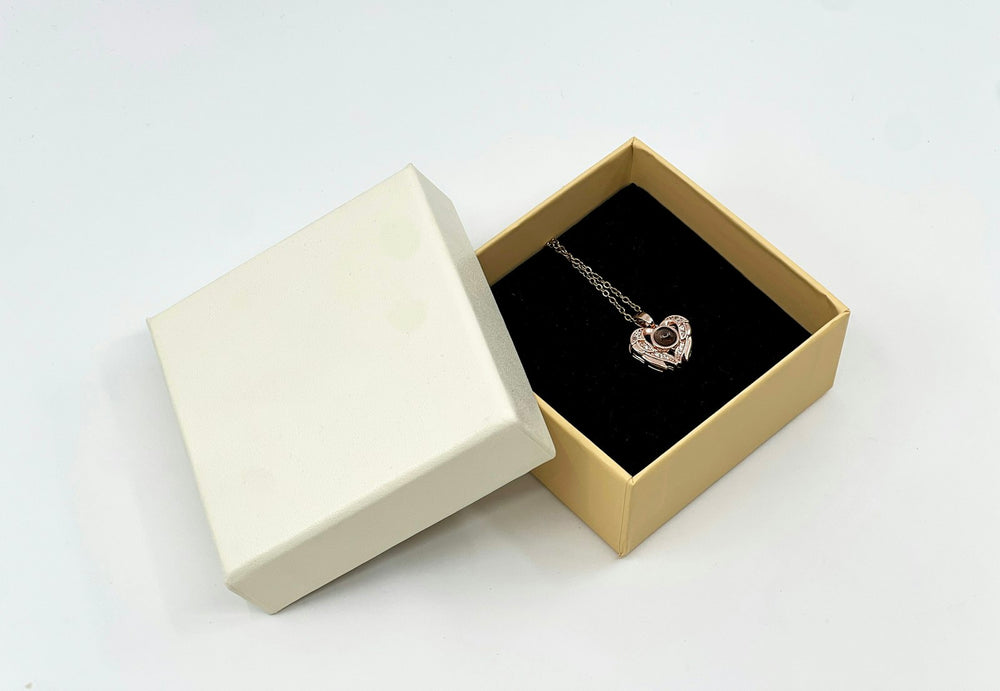
Understand the basic differences between gold plated and solid gold jewellery and what online buyers should check before making a...
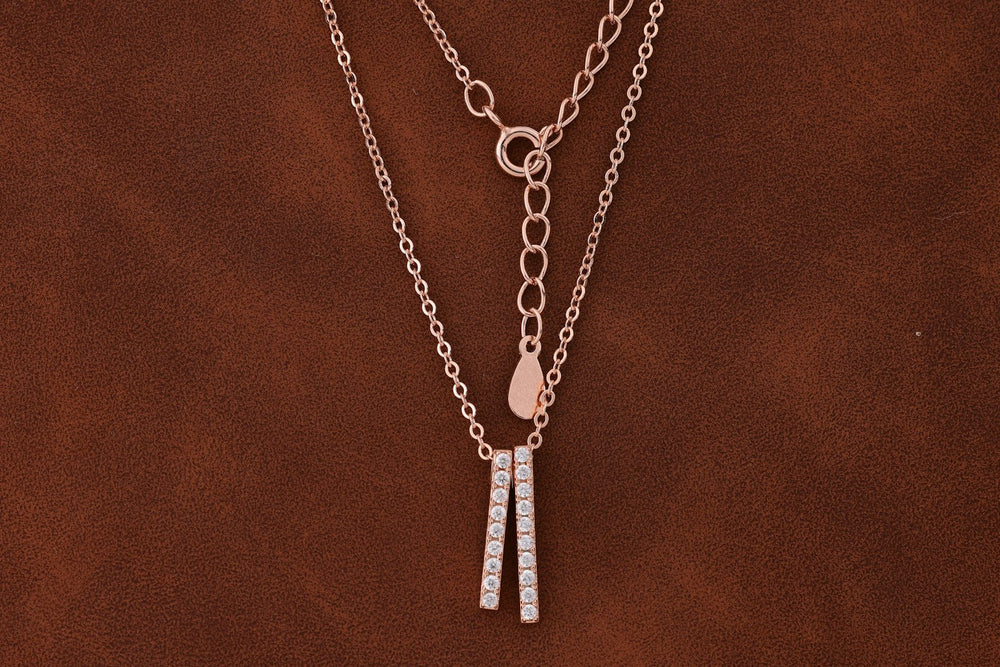
Learn why necklace chains kink or bend, how storage and movement contribute, and what habits can help keep chains in...
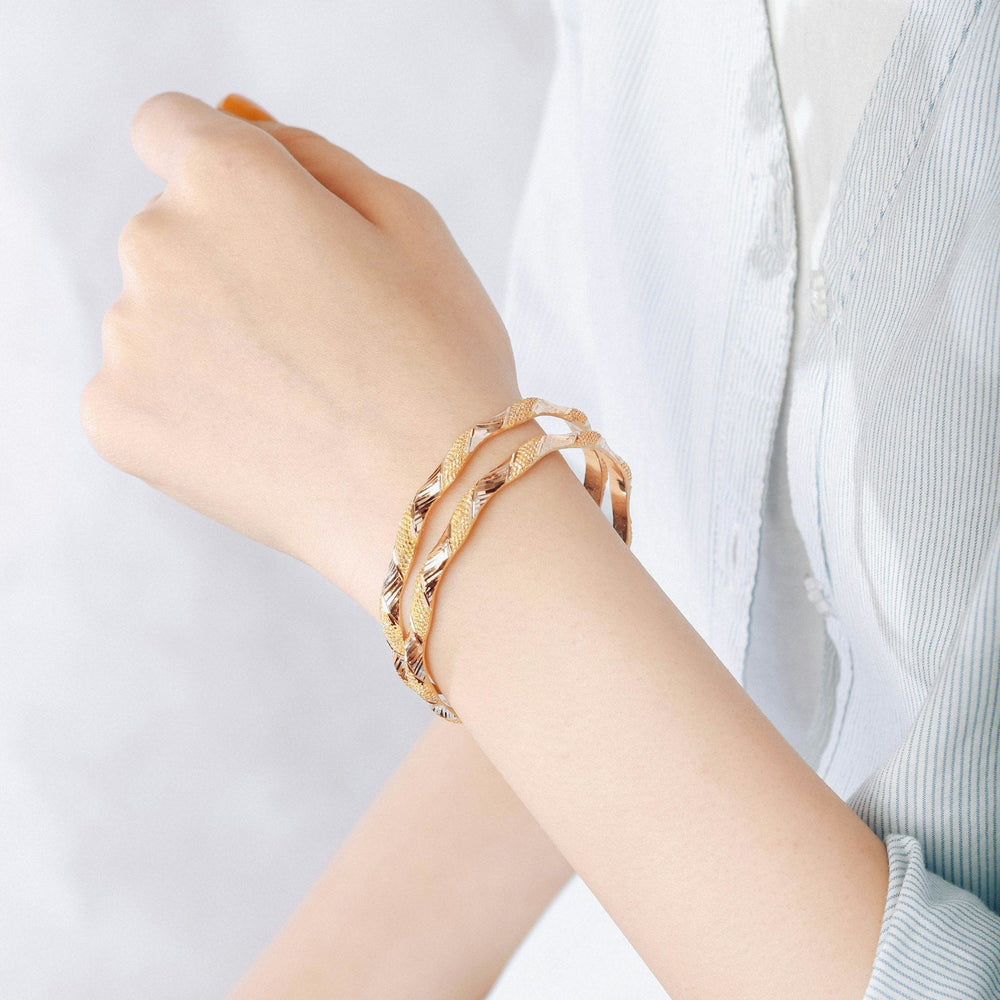
Learn how to stack bracelets with different shapes and weights while reducing scratching, tangling and visual clutter.
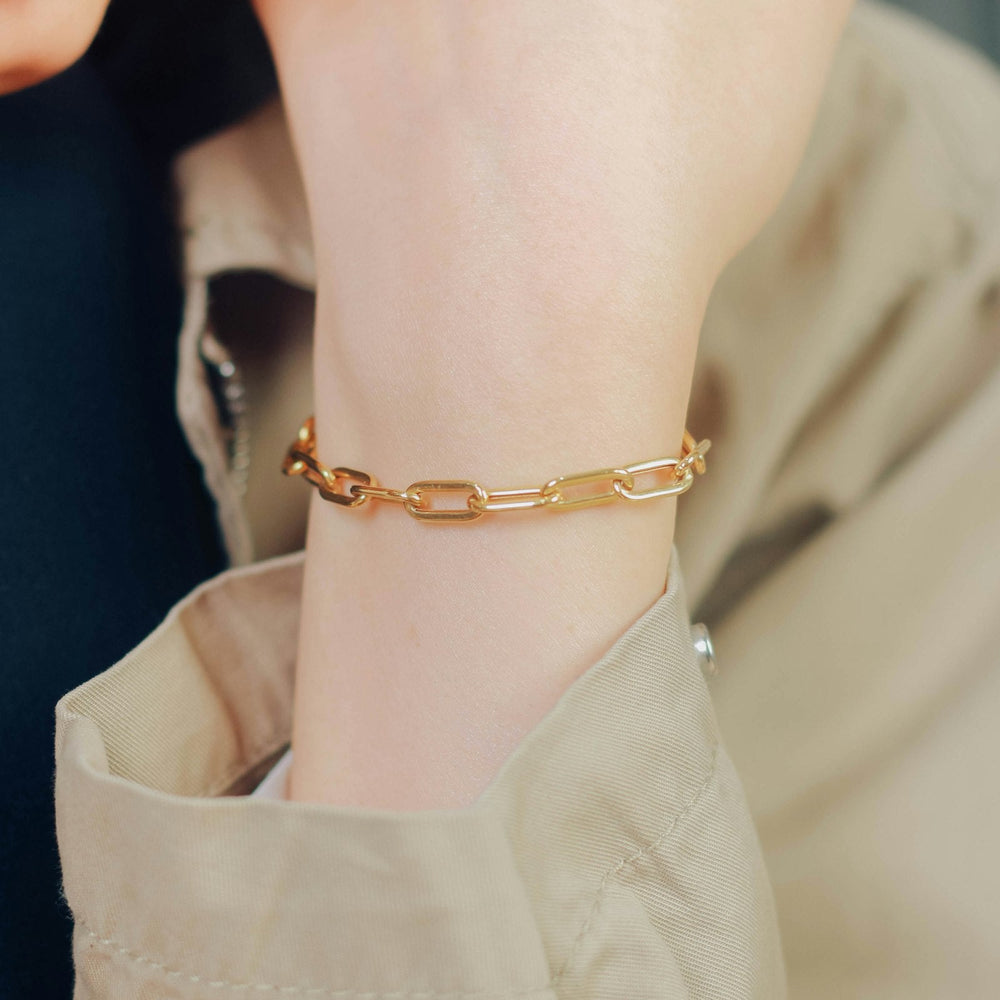
Learn why a bracelet slides up your wrist and how bracelet size, weight, wrist shape and movement can affect where...

Learn how to pair gold plated necklaces, earrings, rings and bracelets with Indian outfits by balancing neckline, occasion, colour and...

Choose a jewellery gift without knowing the recipient's size by focusing on flexible styles, proportions, existing preferences and practical details.
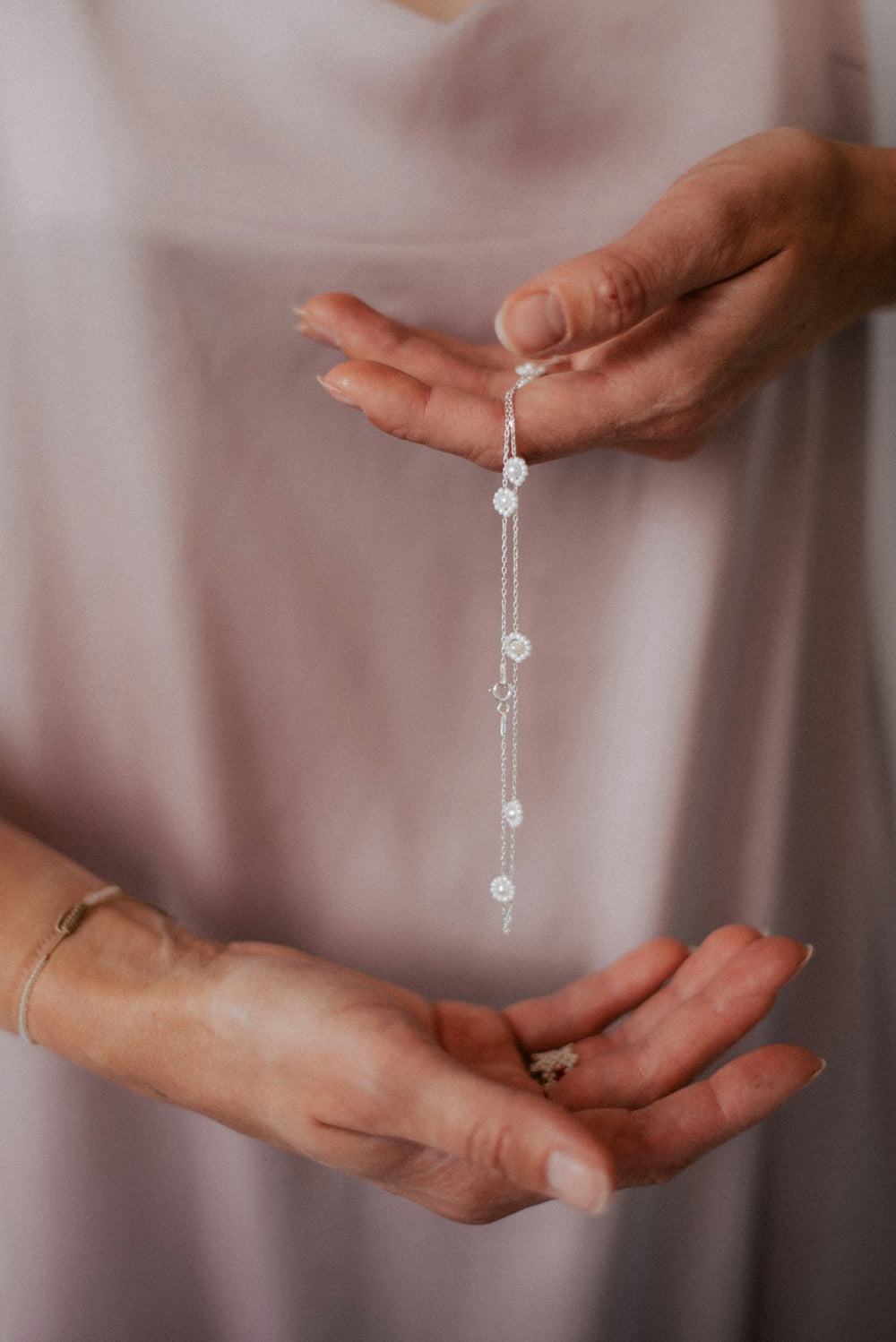
Learn how to pack necklaces, rings, earrings and bracelets for travel while reducing tangling, scratching, moisture exposure and loss.

Learn why necklaces tangle, which habits make tangling worse, and how to store and wear chains to reduce knots and...

Learn why a ring spins around your finger and how fit, finger shape, ring weight and daily movement can affect...

Choose everyday jewellery for office wear by considering scale, comfort, outfit compatibility, repeat wear and how easily pieces can be...

Use this checklist to review materials, dimensions, care instructions, sizing, delivery and returns before buying gold plated jewellery online.
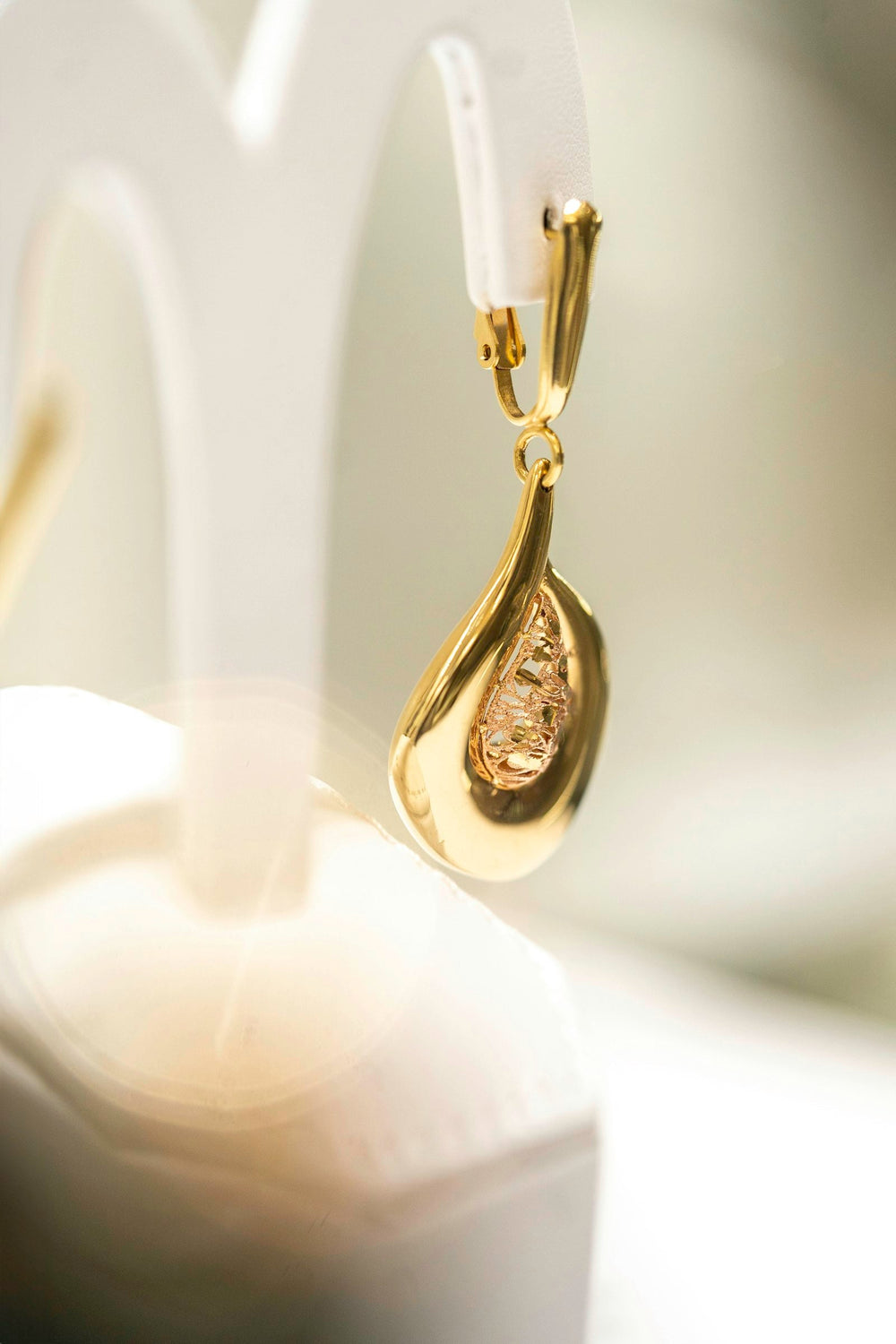
Learn why gold earrings can turn dark, how moisture, residue and wear contribute, and how to care for them without...
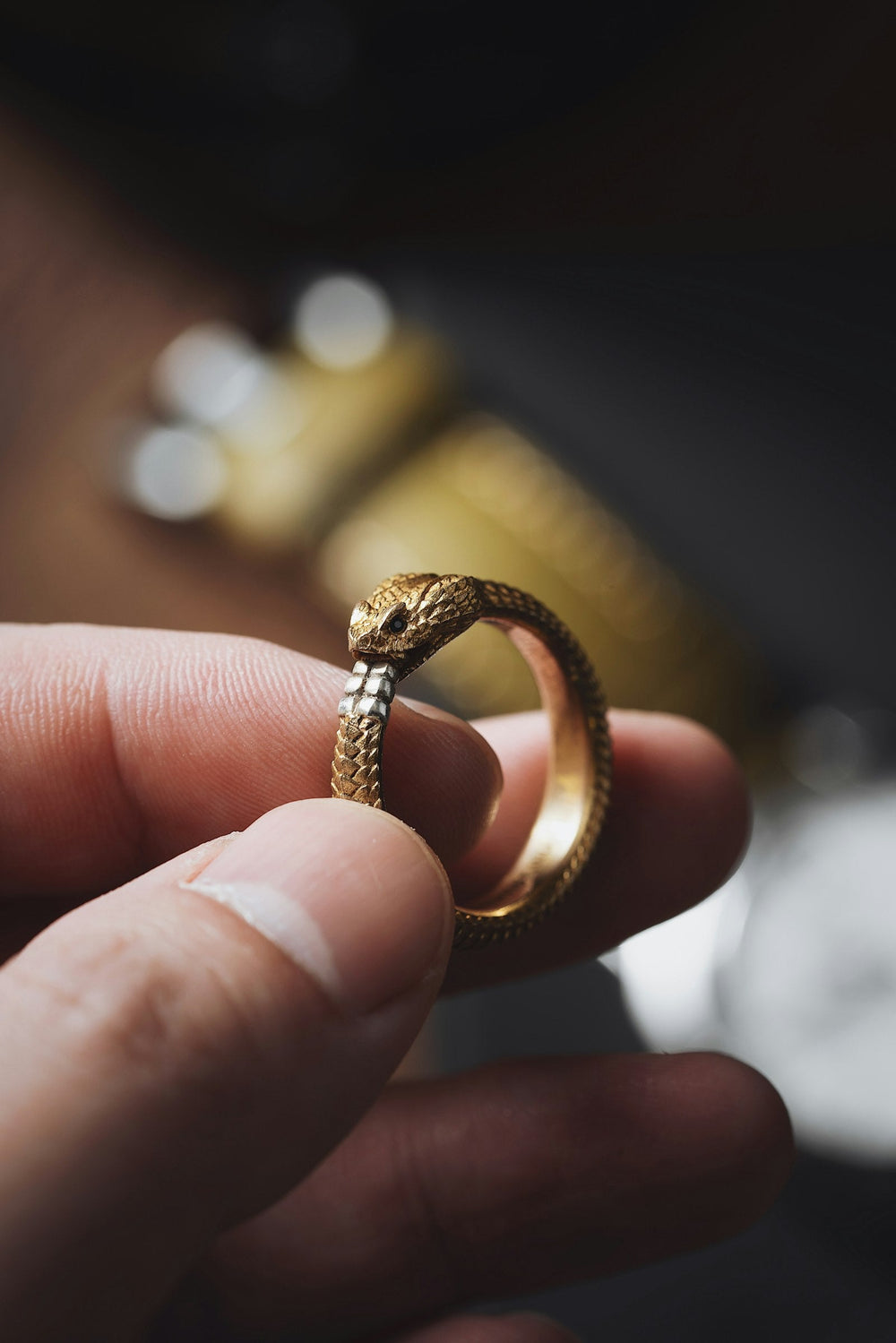
Learn a simple way to measure ring size at home and use the result when choosing jewellery online, with practical...

A practical guide to caring for gold plated jewellery, including cleaning, storage, daily-wear habits and what to avoid. Product-specific care...

Learn a gentle, practical way to clean gold plated jewellery while avoiding unnecessary abrasion, harsh chemicals and moisture-related mistakes.
A practical guide to choosing necklace styles by look, occasion and layering preference, with links to REVOSHA's necklace collections and...
Simple necklace layering tips covering lengths, focal points, outfit necklines and how to combine chain, pendant and layered styles.

Understand what affects the wear of gold plated jewellery, including friction, moisture, personal-care products, storage and everyday use.
Learn how to store necklaces, rings, earrings and bracelets to reduce tangling, scratching, moisture exposure and unnecessary tarnishing.

Learn why jewellery can leave green marks on skin, what causes them, how to reduce them and what to check...
Find out when to remove gold plated jewellery for showering, sleeping, swimming and exercise, plus simple habits that can reduce...
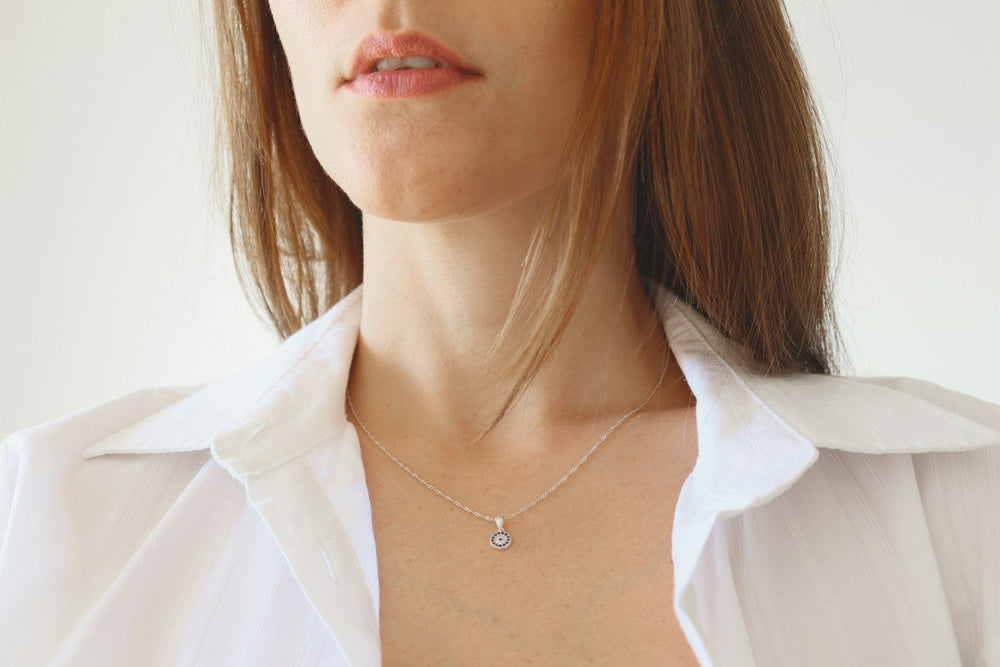
Learn why gold plated jewellery can turn dark, how moisture, sweat, products and friction affect it, and how to prevent...

Choose a meaningful jewellery gift with practical tips for selecting necklaces, rings, earrings and bracelets for different styles and occasions.

Wondering about gold plated jewellery for daily wear? Learn what to check, how to care for pieces and how to...
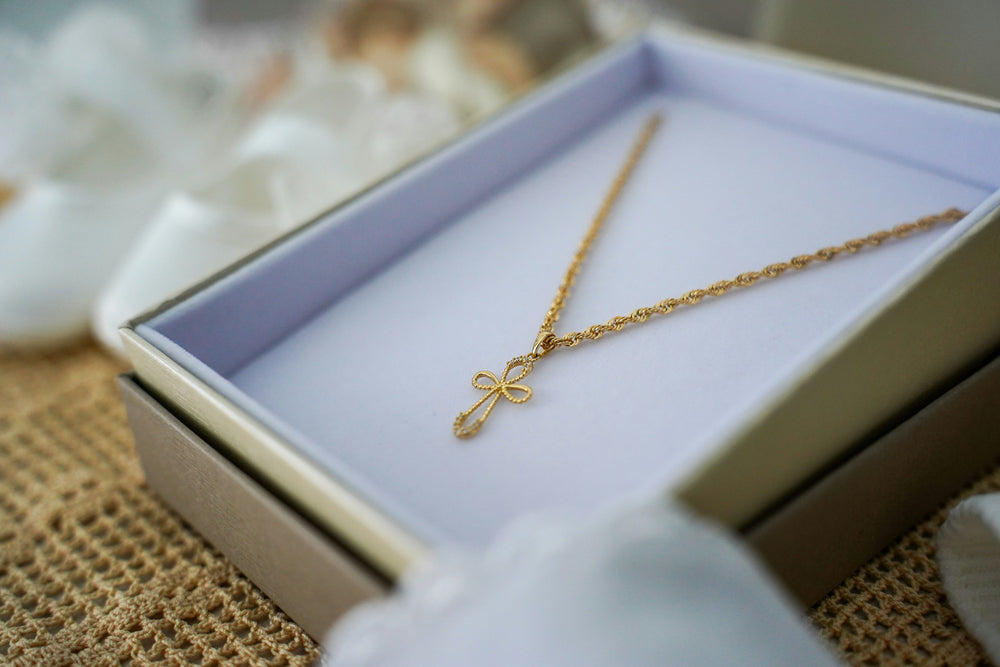
Shop REVOSHA jewellery for gifting and everyday style. Explore necklace, ring, earring and bracelet ideas for meaningful occasions.
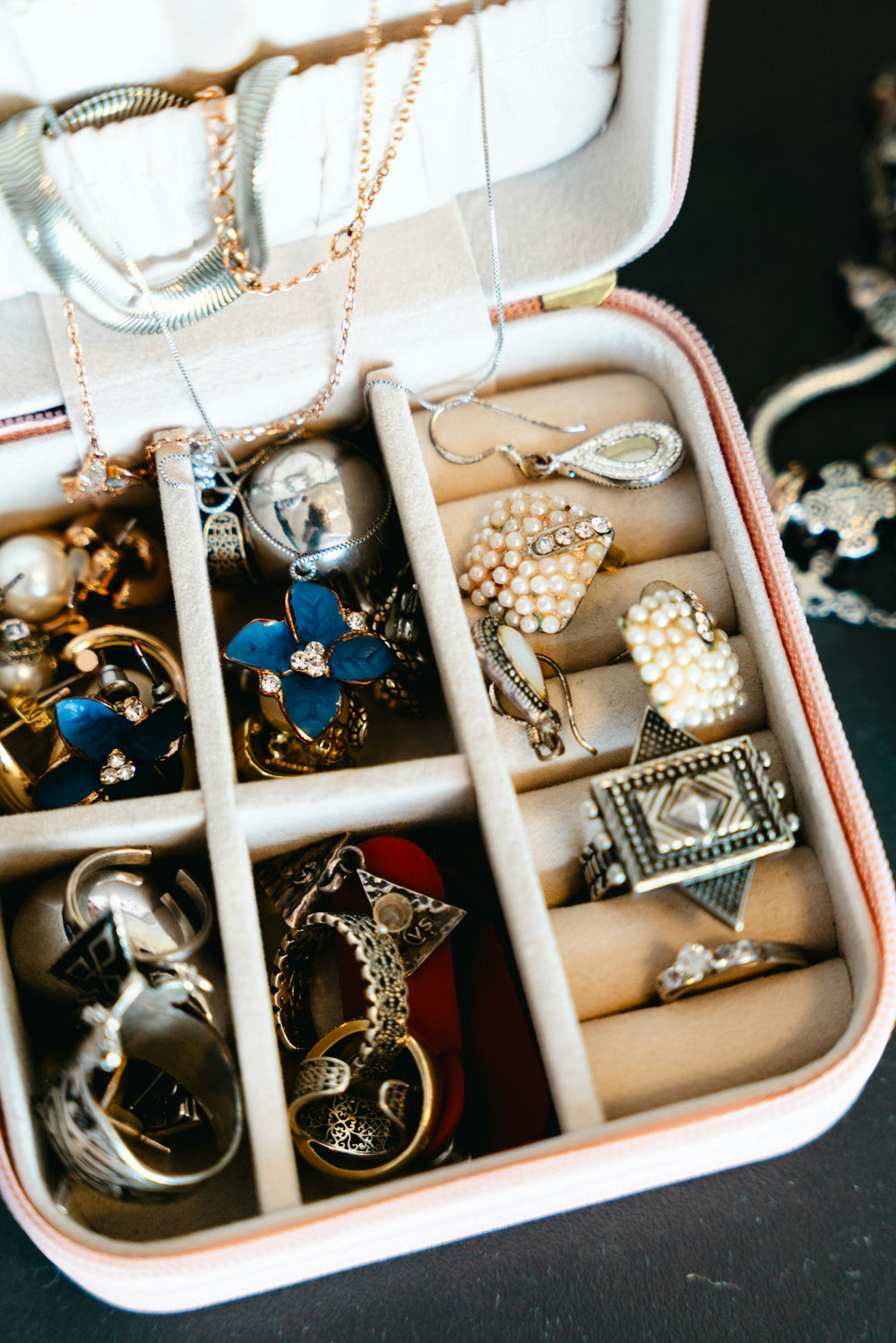
A practical guide to gold plated jewellery, including what the finish means, what to check before buying and how to...

Practical jewellery travel tips for packing, styling and caring for necklaces, rings, earrings and bracelets on your next trip.
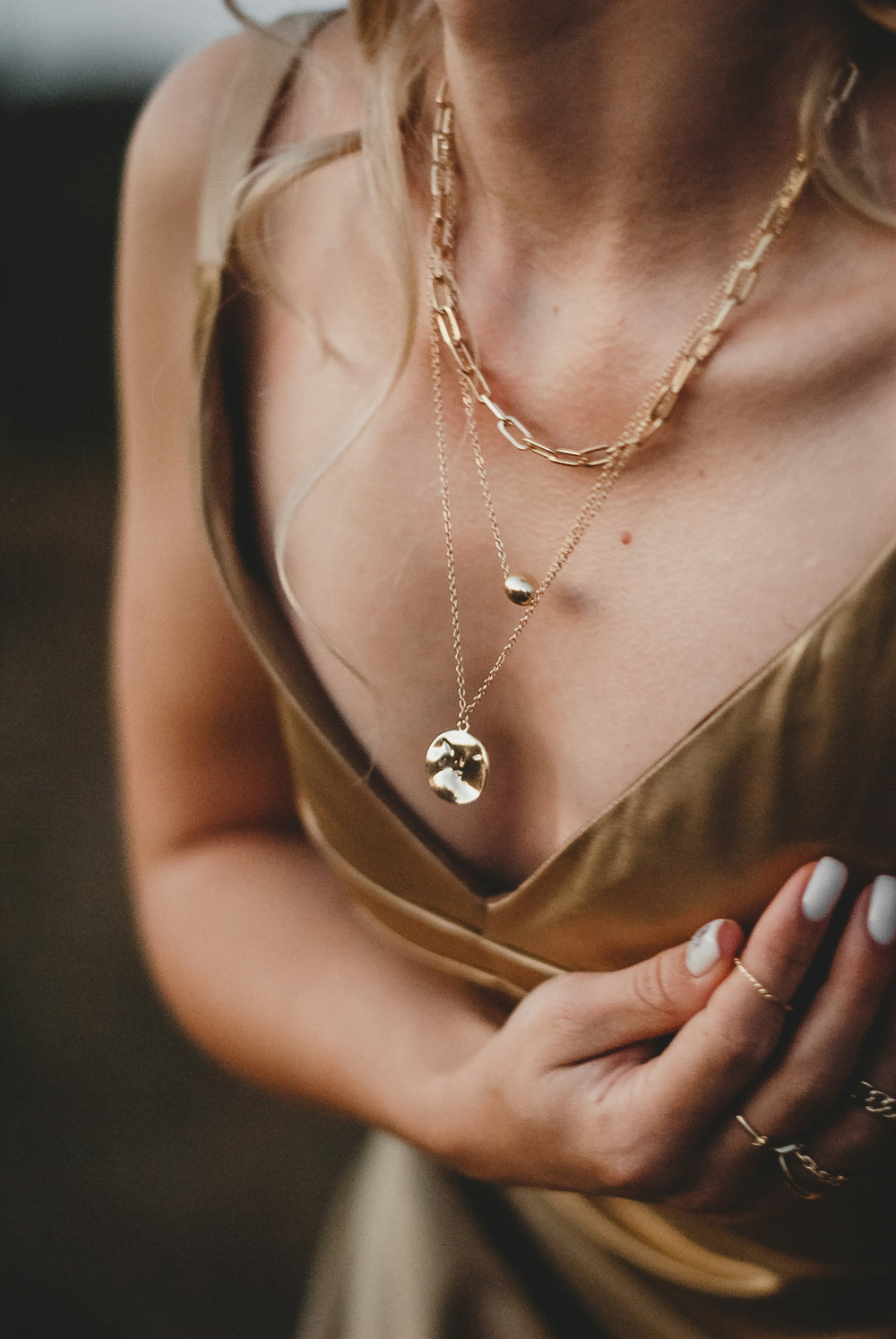
A practical buyer’s guide to choosing gold plated jewellery, including what to check in product details, materials, care guidance and...