


Choose earrings for longer wear by considering weight, closure type, proportions, comfort and how the pair fits your everyday routine.
Buying Guide


Crystal Radiance Pendant Necklace


Crystal Frame Pendant Necklace


Sunshine Heart Pendant Necklace

Few jewellery problems are more frustrating than opening your jewellery box and finding that a favourite gold plated piece no longer looks the way it did when you bought it. The surface may look darker, duller or slightly uneven, and the first question is usually: why does gold plated jewellery turn black?
The short answer is that the visible gold layer is only part of the jewellery. Gold plated jewellery has a thin gold layer over another metal, and everyday exposure to moisture, sweat, cosmetics, friction and storage conditions can gradually change how the piece looks. Once the plating becomes thinner at high-friction areas, the metal underneath can also become more exposed.
Why does gold plated jewellery turn black?
There is no single cause. Darkening can come from surface residue, reactions involving the underlying metal, or wear of the plating that changes the colour you see.
1. Sweat and moisture
Sweat contains moisture and salts, and frequent contact can speed up changes on jewellery surfaces. This is especially relevant for rings, bracelets and necklaces worn close to the skin for long periods.
2. Perfume, lotion and cosmetics
Perfume, body lotion, sunscreen, hair products and makeup can leave residues on jewellery. Some ingredients can also make the finish age faster when they remain in contact with the piece.
A simple rule is jewellery last on, first off: finish your perfume, skincare and makeup first, allow them to settle, then put your jewellery on.
3. Water and humidity
Repeated exposure to water does not automatically mean a piece will instantly turn black, but frequent moisture exposure is a poor habit for plated jewellery. Showering, swimming, washing dishes and storing jewellery in a humid bathroom all increase unnecessary exposure.
4. Friction and everyday wear
Plating is a surface finish. Areas that rub repeatedly against skin, clothing, other jewellery or hard surfaces can wear faster than protected areas. Rings and bracelet interiors are particularly exposed to friction.
5. The jewellery may simply be dirty
Not every dark-looking piece is badly tarnished. Oils, dust, cosmetic residue and product buildup can make gold plated jewellery look dull or darker than usual.
How to tell whether it is residue, tarnish or plating wear
Start with the least aggressive explanation. If the piece looks dull but the colour is otherwise consistent, gentle cleaning may remove surface buildup. If there are darker patches or visible colour changes, the underlying metal or finish may be reacting or wearing.
If you can clearly see a different metal colour at a high-friction edge, cleaning cannot restore the missing gold layer. That is a wear issue rather than a simple dirt problem.
How to prevent gold plated jewellery from turning black
What not to do
A common mistake is trying to “restore” shine by scrubbing harder. Avoid abrasive powders, rough brushes and aggressive polishing on plated surfaces unless the product's care instructions specifically allow them. More friction can remove more of the finish.
Can blackened gold plated jewellery be fixed?
It depends on what has changed. Surface residue can often be removed with gentle care. But if the gold plating has worn through and the base metal is visible, home cleaning will not recreate the missing plating. At that point, the right approach is to stop aggressive cleaning and check the product's warranty, care guidance or professional repair options.
How REVOSHA jewellery should be cared for
REVOSHA's jewellery is designed for everyday styling, but everyday does not mean exposure to every environment. Think of plated jewellery as something to wear thoughtfully: keep it away from unnecessary moisture and chemicals, reduce friction and store it properly between wears.
For more detailed care guidance, read our gold plated jewellery care guide and safe cleaning guide.
Final takeaway
If gold plated jewellery starts looking black or dull, do not assume immediately that the piece is ruined. First consider residue, moisture exposure and normal wear. Gentle cleaning and better habits can prevent avoidable damage, while visible base-metal exposure is a sign that the surface finish has worn and needs a different solution.


Handpicked articles to help you learn more about jewellery, styling, and care.
Choose earrings for longer wear by considering weight, closure type, proportions, comfort and how the pair fits your everyday routine.
Understand the basic differences between gold plated and solid gold jewellery and what online buyers should check before making a...
Learn why necklace chains kink or bend, how storage and movement contribute, and what habits can help keep chains in...
Learn how to stack bracelets with different shapes and weights while reducing scratching, tangling and visual clutter.
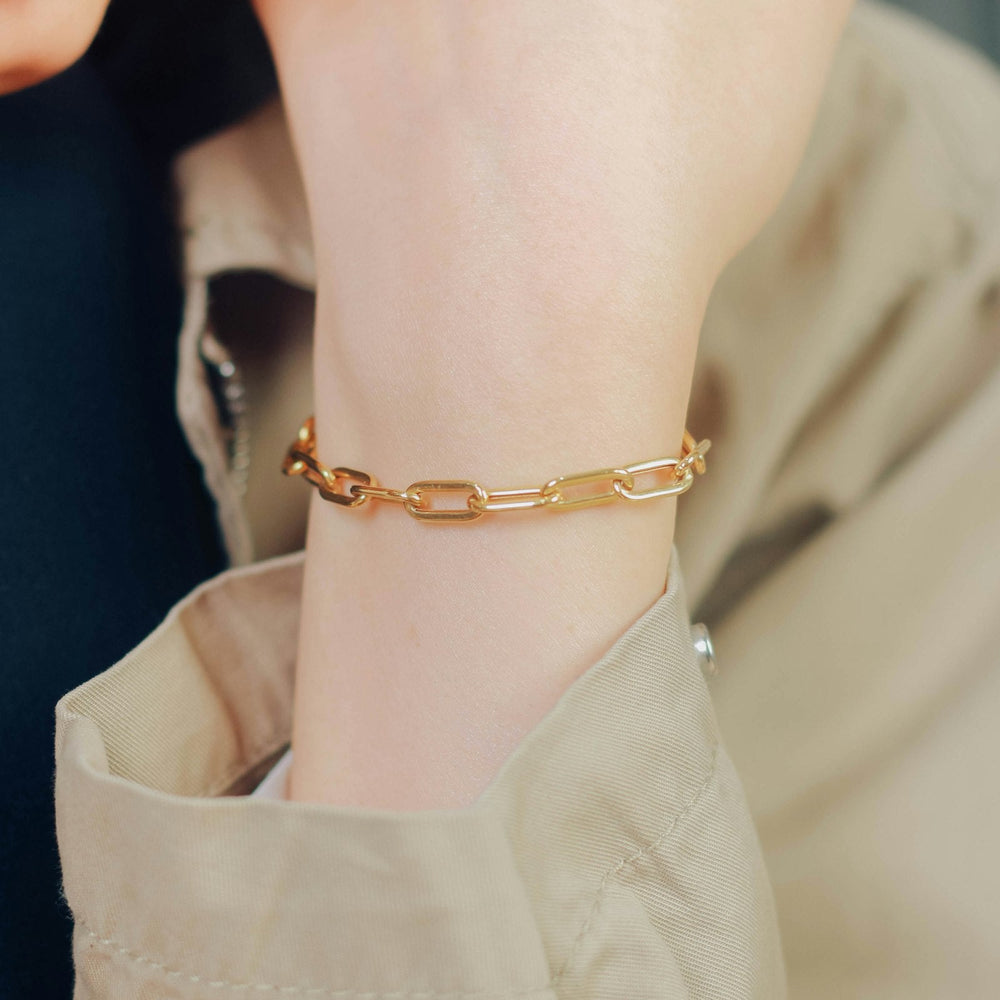
Learn why a bracelet slides up your wrist and how bracelet size, weight, wrist shape and movement can affect where...

Learn how to pair gold plated necklaces, earrings, rings and bracelets with Indian outfits by balancing neckline, occasion, colour and...

Choose a jewellery gift without knowing the recipient's size by focusing on flexible styles, proportions, existing preferences and practical details.
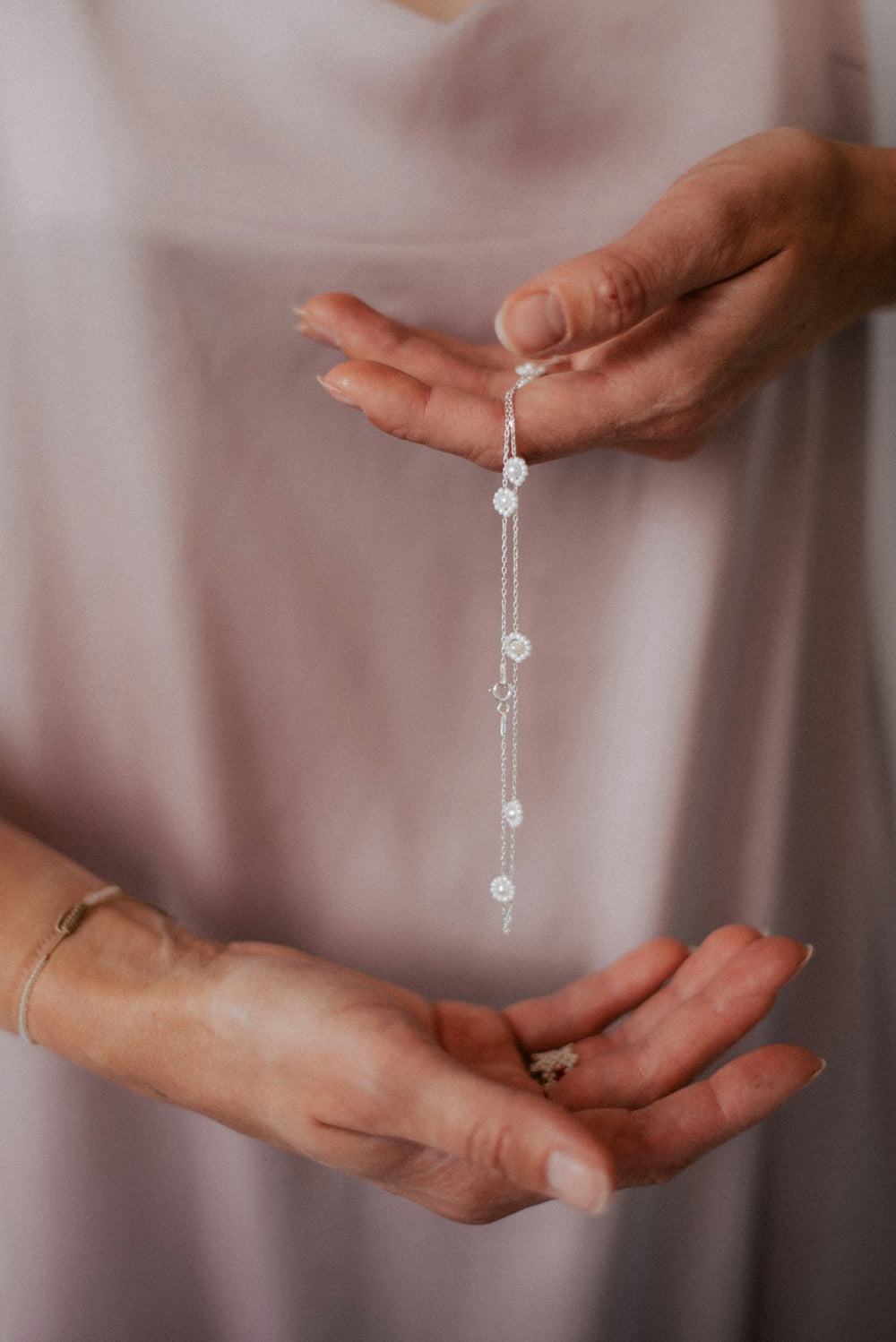
Learn how to pack necklaces, rings, earrings and bracelets for travel while reducing tangling, scratching, moisture exposure and loss.

Learn why necklaces tangle, which habits make tangling worse, and how to store and wear chains to reduce knots and...

Learn why a ring spins around your finger and how fit, finger shape, ring weight and daily movement can affect...

Choose everyday jewellery for office wear by considering scale, comfort, outfit compatibility, repeat wear and how easily pieces can be...

Use this checklist to review materials, dimensions, care instructions, sizing, delivery and returns before buying gold plated jewellery online.
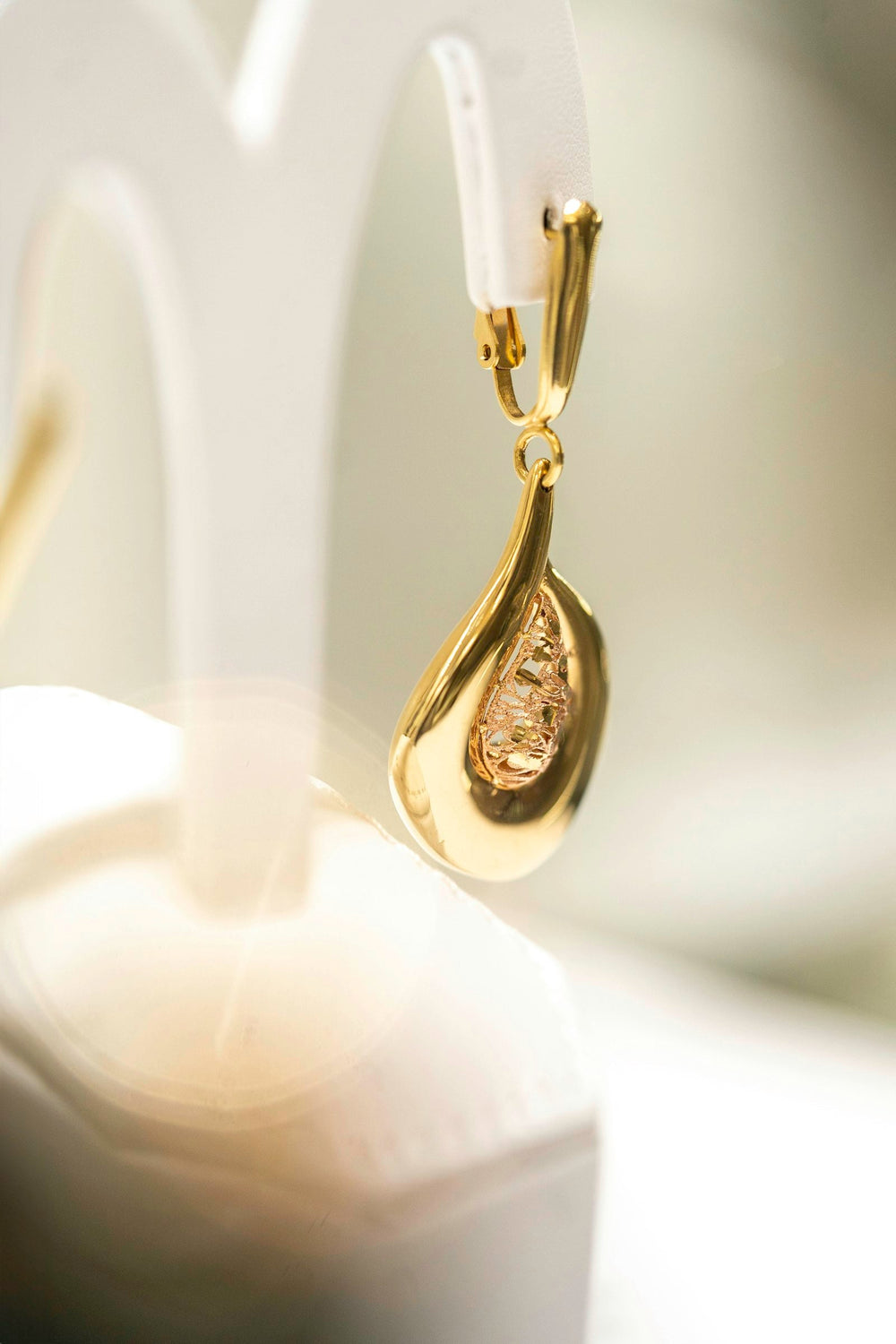
Learn why gold earrings can turn dark, how moisture, residue and wear contribute, and how to care for them without...
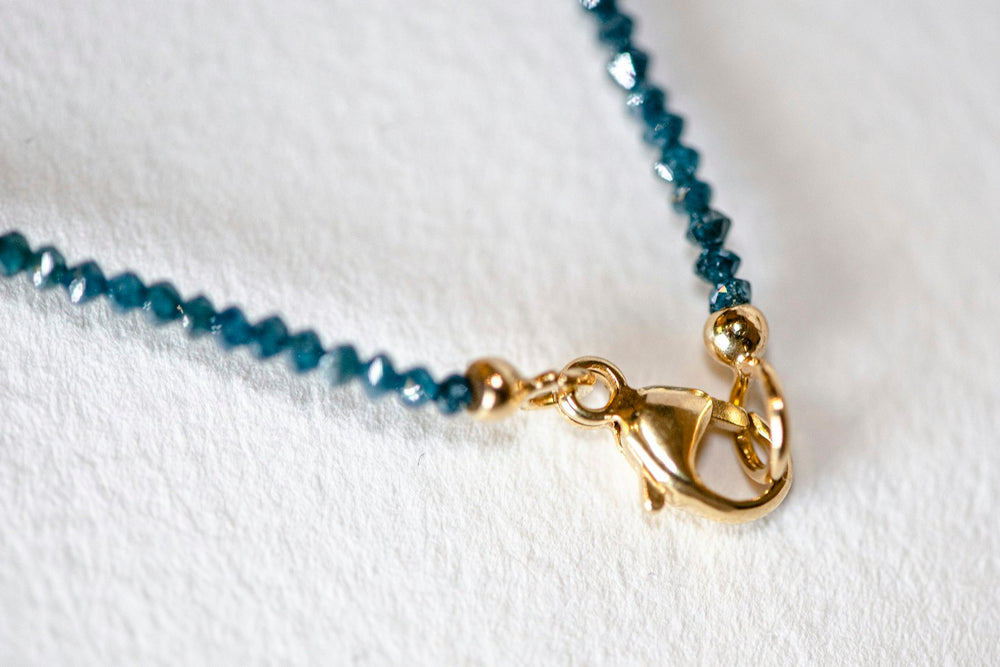
Find out why a necklace clasp can move to the front, how chain weight and movement affect it, and what...
Learn a simple way to measure ring size at home and use the result when choosing jewellery online, with practical...

A practical guide to caring for gold plated jewellery, including cleaning, storage, daily-wear habits and what to avoid. Product-specific care...

Learn a gentle, practical way to clean gold plated jewellery while avoiding unnecessary abrasion, harsh chemicals and moisture-related mistakes.
A practical guide to choosing necklace styles by look, occasion and layering preference, with links to REVOSHA's necklace collections and...
Simple necklace layering tips covering lengths, focal points, outfit necklines and how to combine chain, pendant and layered styles.

Understand what affects the wear of gold plated jewellery, including friction, moisture, personal-care products, storage and everyday use.
Learn how to store necklaces, rings, earrings and bracelets to reduce tangling, scratching, moisture exposure and unnecessary tarnishing.

Learn why jewellery can leave green marks on skin, what causes them, how to reduce them and what to check...

Find out when to remove gold plated jewellery for showering, sleeping, swimming and exercise, plus simple habits that can reduce...

Choose a meaningful jewellery gift with practical tips for selecting necklaces, rings, earrings and bracelets for different styles and occasions.

Wondering about gold plated jewellery for daily wear? Learn what to check, how to care for pieces and how to...
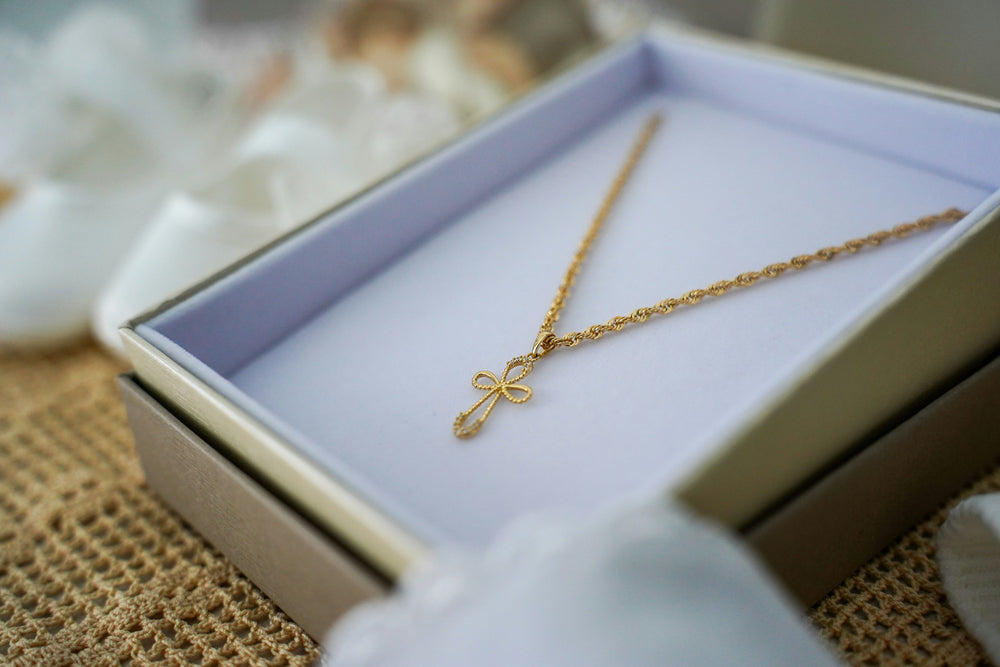
Shop REVOSHA jewellery for gifting and everyday style. Explore necklace, ring, earring and bracelet ideas for meaningful occasions.
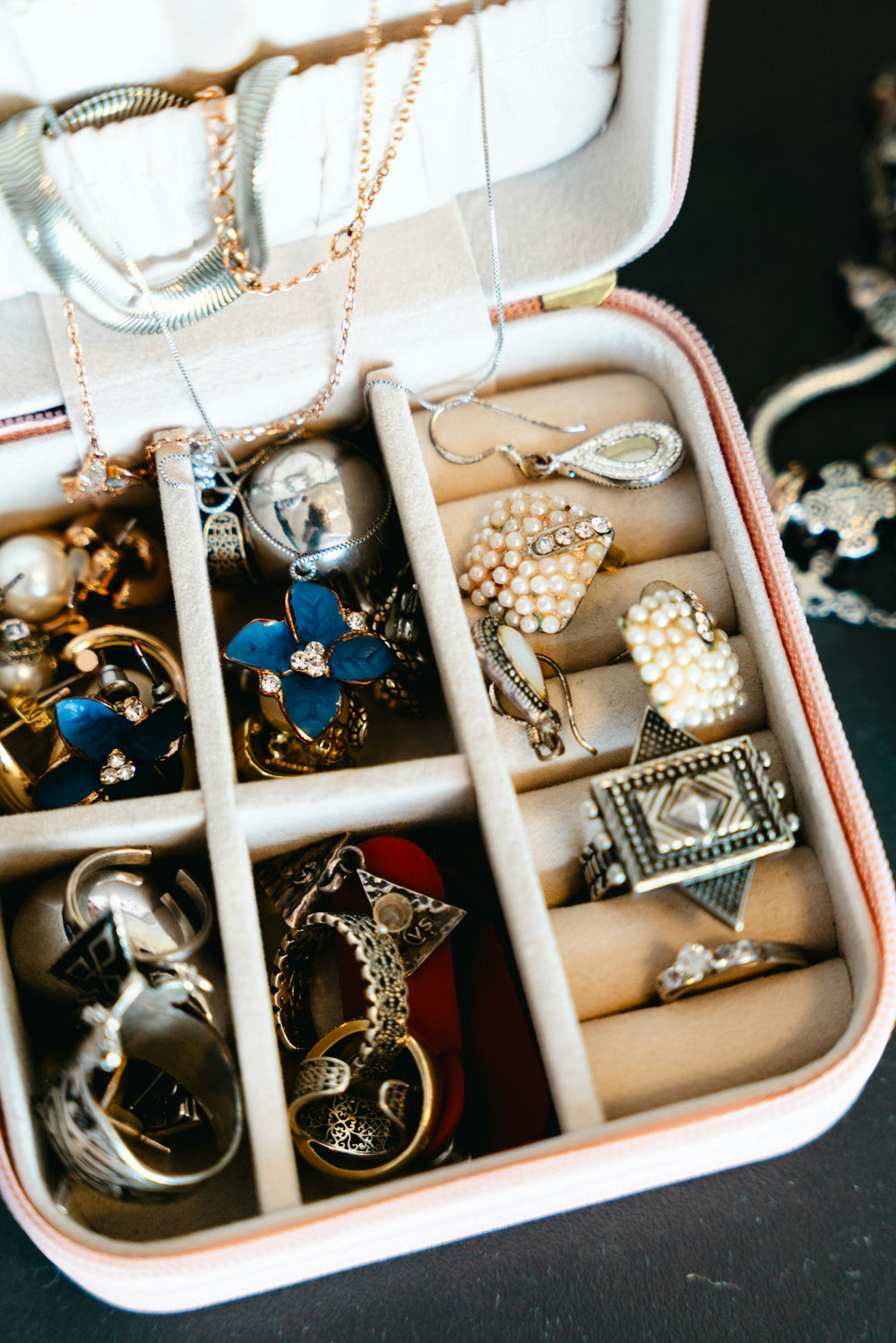
A practical guide to gold plated jewellery, including what the finish means, what to check before buying and how to...

Practical jewellery travel tips for packing, styling and caring for necklaces, rings, earrings and bracelets on your next trip.
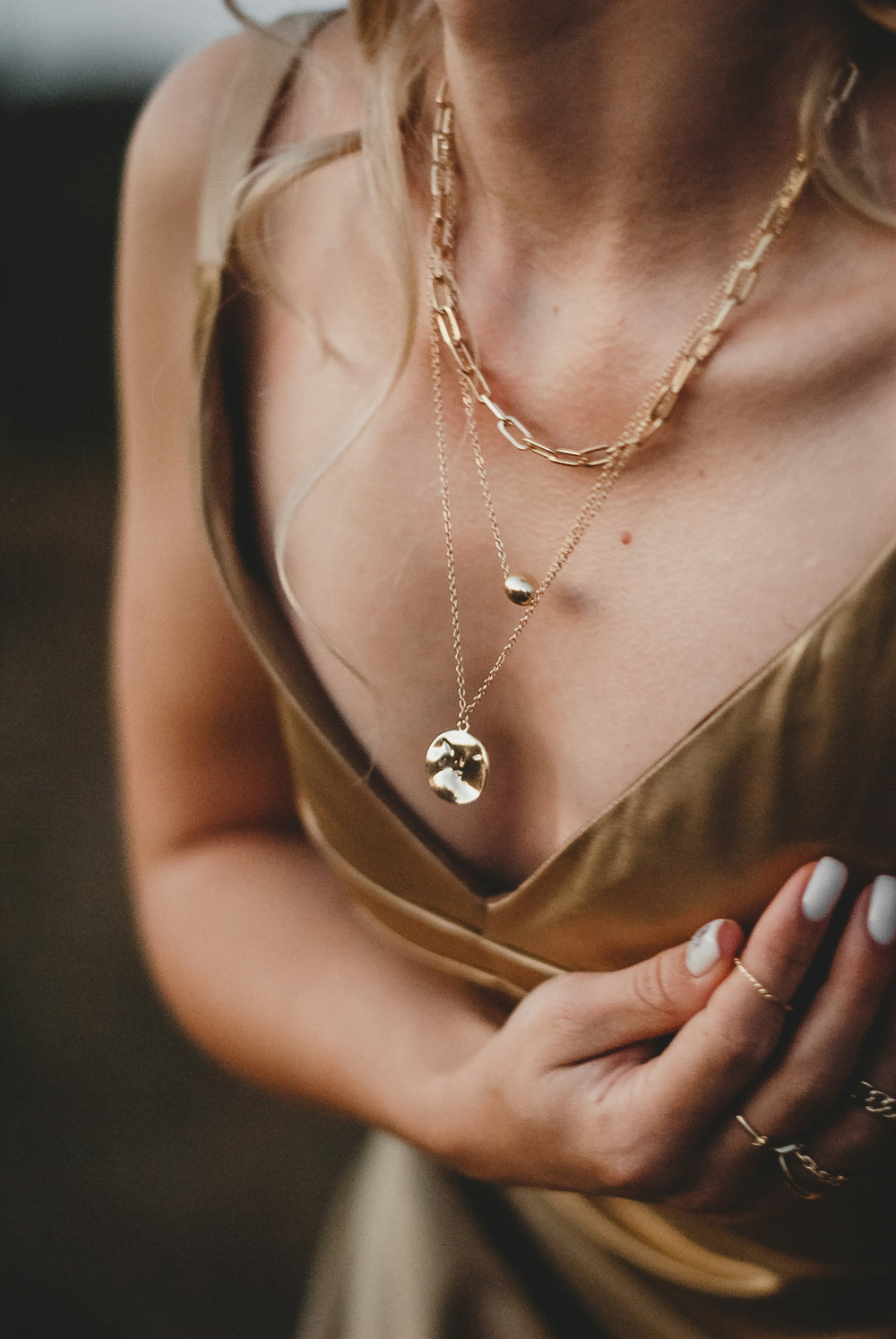
A practical buyer’s guide to choosing gold plated jewellery, including what to check in product details, materials, care guidance and...