


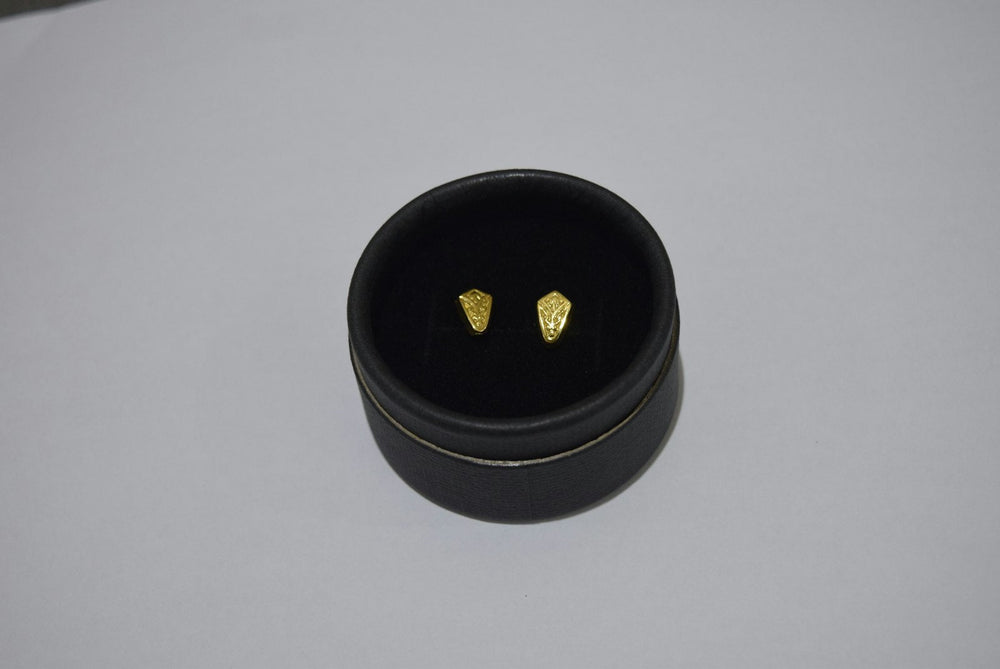
Choose earrings for longer wear by considering weight, closure type, proportions, comfort and how the pair fits your everyday routine.
Buying Guide


Crystal Radiance Pendant Necklace


Crystal Frame Pendant Necklace


Sunshine Heart Pendant Necklace

Necklace layering is an easy way to add depth to an outfit without relying on a single statement piece. The key is not to wear as many necklaces as possible; it is to create enough separation and balance that each piece can be seen.
What Is Necklace Layering?
Necklace layering means wearing two or more necklaces together to create a combined look. The easiest way to make it feel intentional is to create visible separation between the pieces and give the eye one clear focal point.
Start With Different Lengths
Choose necklaces that sit at different points around the neckline. A shorter chain can sit closer to the neck while a longer pendant provides a second focal point. If two necklaces naturally fall at exactly the same point, they may overlap and become difficult to distinguish.
Build From Simple to Detailed
A simple chain is a useful foundation because it adds texture without competing for attention. You can then add a pendant, coin or more detailed necklace as the second layer.
If you are using three pieces, consider making one necklace the main focal point and keeping the other two relatively simple. This creates hierarchy instead of visual clutter.
Choose One Main Focal Point
Decide which necklace should attract the most attention. Let the other pieces support it rather than competing with it. A pendant can act as the focal point while a chain provides a subtle base layer.
Match the Outfit Neckline
Consider the neckline before choosing your combination. Open necklines can leave more room for multiple lengths, while higher necklines may work better with shorter or more defined pieces. The aim is to keep the necklace visible without forcing it into the clothing.
Mix Shapes Carefully
Different shapes can make a layered look more interesting, but too many competing details can make it feel busy. Try combining a clean chain with one pendant or a small symbolic detail rather than giving every layer a large focal element.
Ready-Made Layered Necklaces
If you want the layered look without choosing individual pieces, explore REVOSHA layered necklaces. These can be a straightforward option when you want coordinated lengths and details in one design.
For individual combinations, browse chain necklaces and coin and pendant necklaces.
Try a Simple Two-Layer Formula
For a beginner-friendly combination, start with one shorter chain and one longer pendant or detailed necklace. Keep the two lengths visibly separated and let the longer piece provide the main focal point. Once that feels balanced, you can experiment with a third layer.
Try a Three-Layer Formula
For three necklaces, use three different lengths and avoid giving all three pieces the same visual weight. One simple chain can be the shortest layer, a second chain can sit in the middle, and a pendant or more detailed piece can provide the longest focal layer.
Keep the Rest of the Jewellery Balanced
If your necklace combination is detailed, consider keeping earrings, rings or bracelets simpler. This helps the necklace remain the visual focus. If the necklaces are minimal, you have more room to add another accessory without the overall look becoming crowded.
Common Layering Mistakes
How to Keep Layered Necklaces Easy to Wear
Store necklaces separately when possible and close clasps before putting them away. When wearing several pieces together, check the chains occasionally so they do not remain twisted around one another.
Explore Related REVOSHA Guides
For more practical guidance, read our Why Do Necklaces Tangle So Easily? Causes, Prevention & Storage Tips.
Final Styling Rule
There is no single correct necklace combination. Start with two pieces, create visible length differences, choose one focal point and then add complexity only if the outfit needs it. The goal is a balanced look that feels natural rather than a fixed formula that has to be followed every time.
For more necklace ideas, read our necklace style guide and explore gold plated necklaces.
Start With Two Pieces
If you are new to necklace layering, start with two necklaces rather than trying to build a complicated combination immediately. Choose one shorter chain and one longer pendant or detailed necklace. Once the spacing feels comfortable, you can decide whether a third layer adds anything useful.
Use Different Lengths
The easiest way to create separation is to choose visibly different lengths. When two necklaces sit at exactly the same point, they can overlap and become difficult to distinguish. A small difference in length can make the entire combination look more intentional.
Give One Necklace the Main Role
Layering works better when the eye has a clear focal point. Let one pendant, coin or detailed necklace attract the most attention while simpler chains provide supporting texture.
Mix Chain Styles Carefully
Different chain textures can add interest, but every layer does not need to be visually strong. A clean chain can balance a pendant, while a more detailed necklace can sit below a simpler piece. The aim is contrast without clutter.
Match the Layering to Your Neckline
Open necklines generally provide more room for multiple lengths. With higher necklines, shorter combinations may be easier to wear. Before leaving the house, check the necklace from the front and side so you can see whether the layers remain separated when you move.
Try a Two-Layer Formula
Start with a short chain as the base and add a longer pendant as the focal layer. Keep the rest of your jewellery relatively simple. This formula is easy to adapt for casual outfits, office wear and evening styling.
Try a Three-Layer Formula
Use three different lengths: a short simple chain, a middle layer with moderate detail and a longer pendant or statement layer. Avoid giving all three pieces equally strong pendants or charms.
Keep the Rest of the Look Balanced
If the necklaces are detailed, consider simpler earrings, rings or bracelets. If your necklaces are minimal, you have more room to add another accessory. The goal is a balanced outfit rather than maximum jewellery.


Handpicked articles to help you learn more about jewellery, styling, and care.
Choose earrings for longer wear by considering weight, closure type, proportions, comfort and how the pair fits your everyday routine.
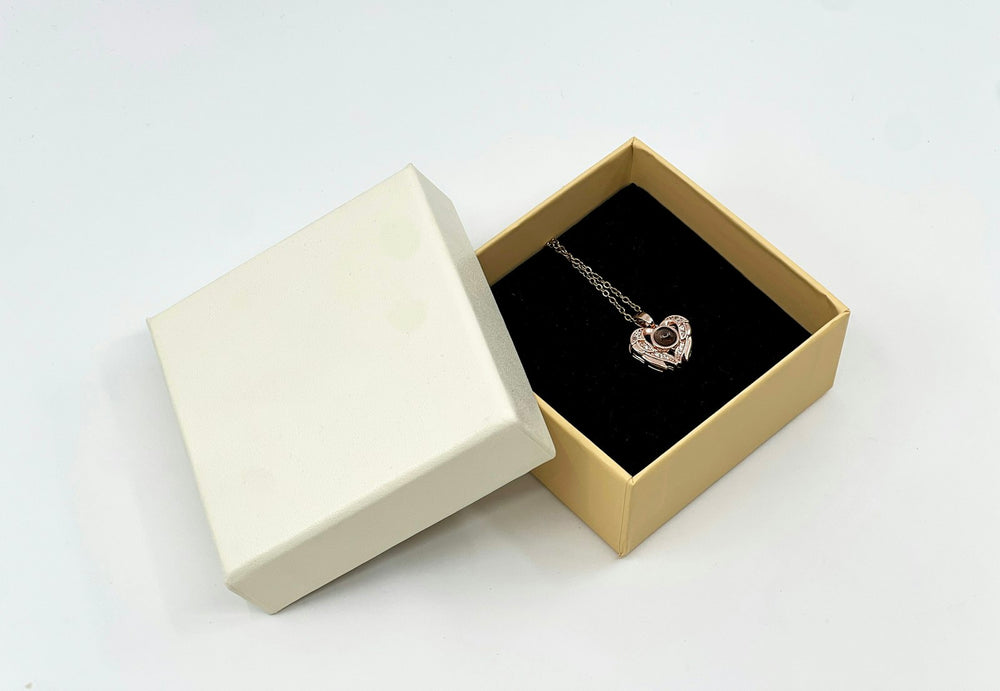
Understand the basic differences between gold plated and solid gold jewellery and what online buyers should check before making a...
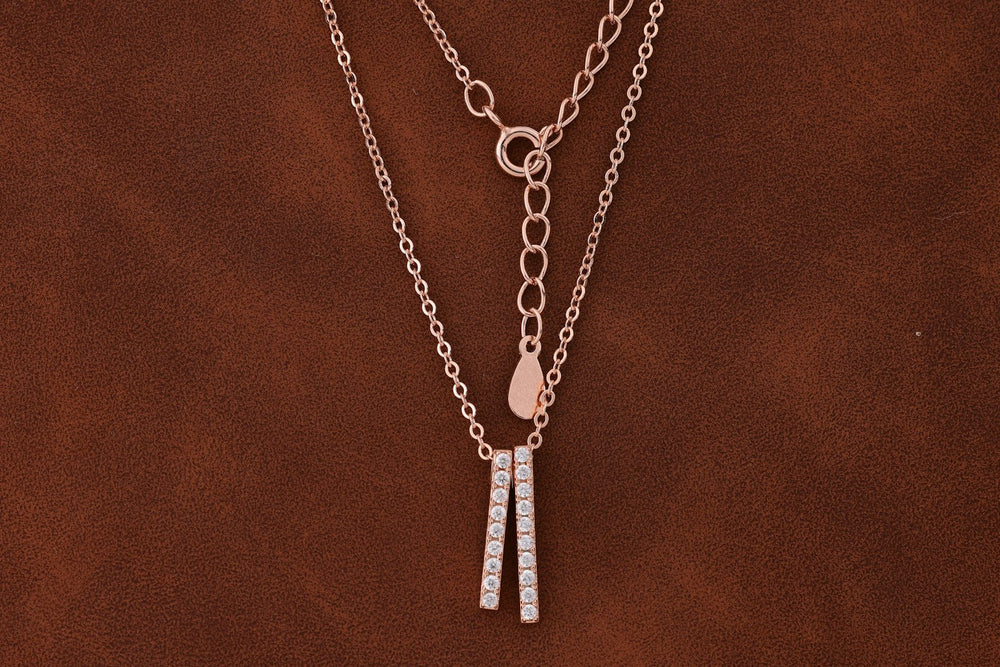
Learn why necklace chains kink or bend, how storage and movement contribute, and what habits can help keep chains in...
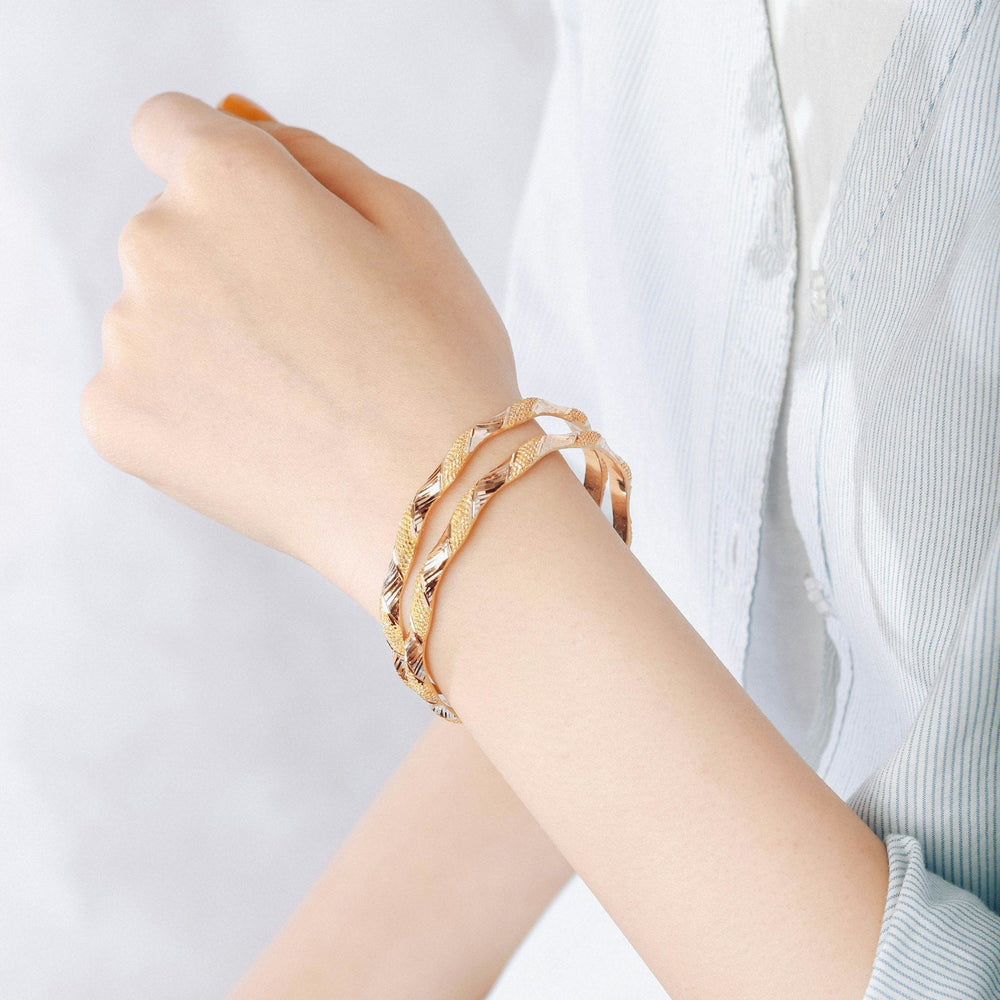
Learn how to stack bracelets with different shapes and weights while reducing scratching, tangling and visual clutter.
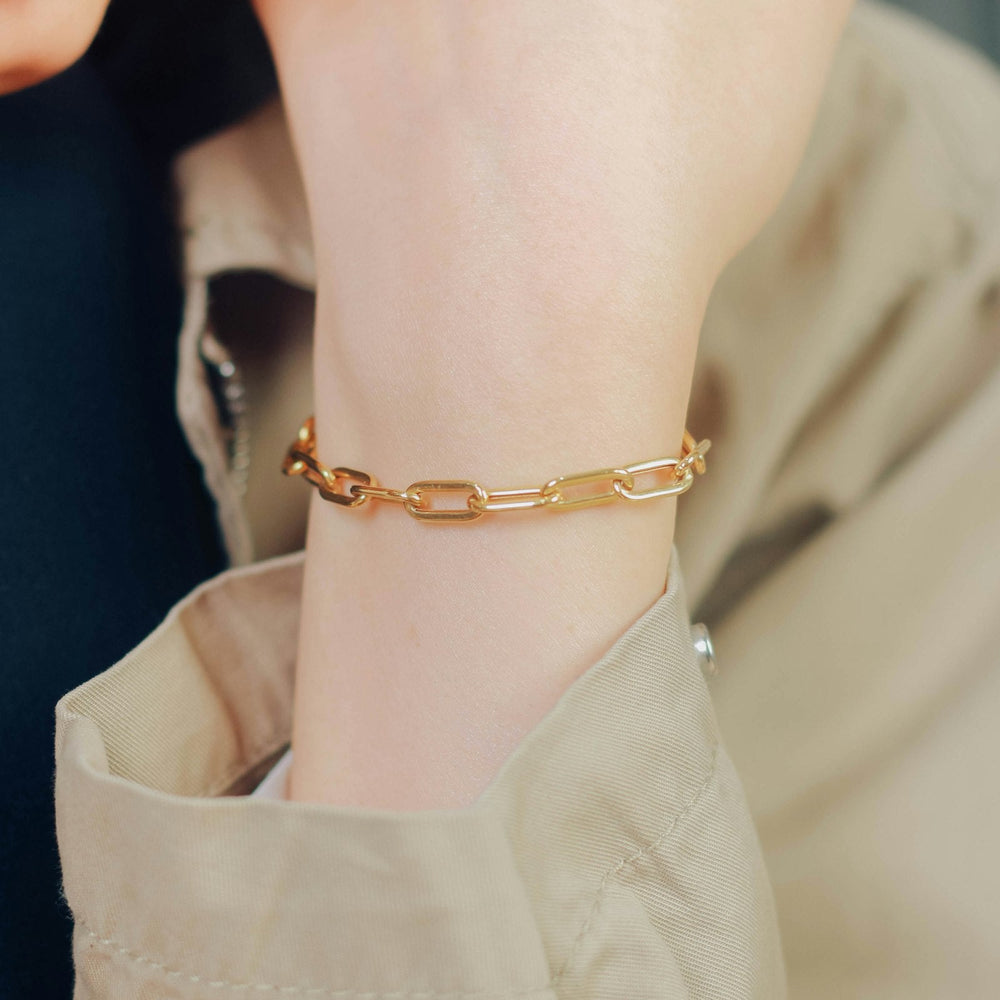
Learn why a bracelet slides up your wrist and how bracelet size, weight, wrist shape and movement can affect where...

Learn how to pair gold plated necklaces, earrings, rings and bracelets with Indian outfits by balancing neckline, occasion, colour and...

Choose a jewellery gift without knowing the recipient's size by focusing on flexible styles, proportions, existing preferences and practical details.
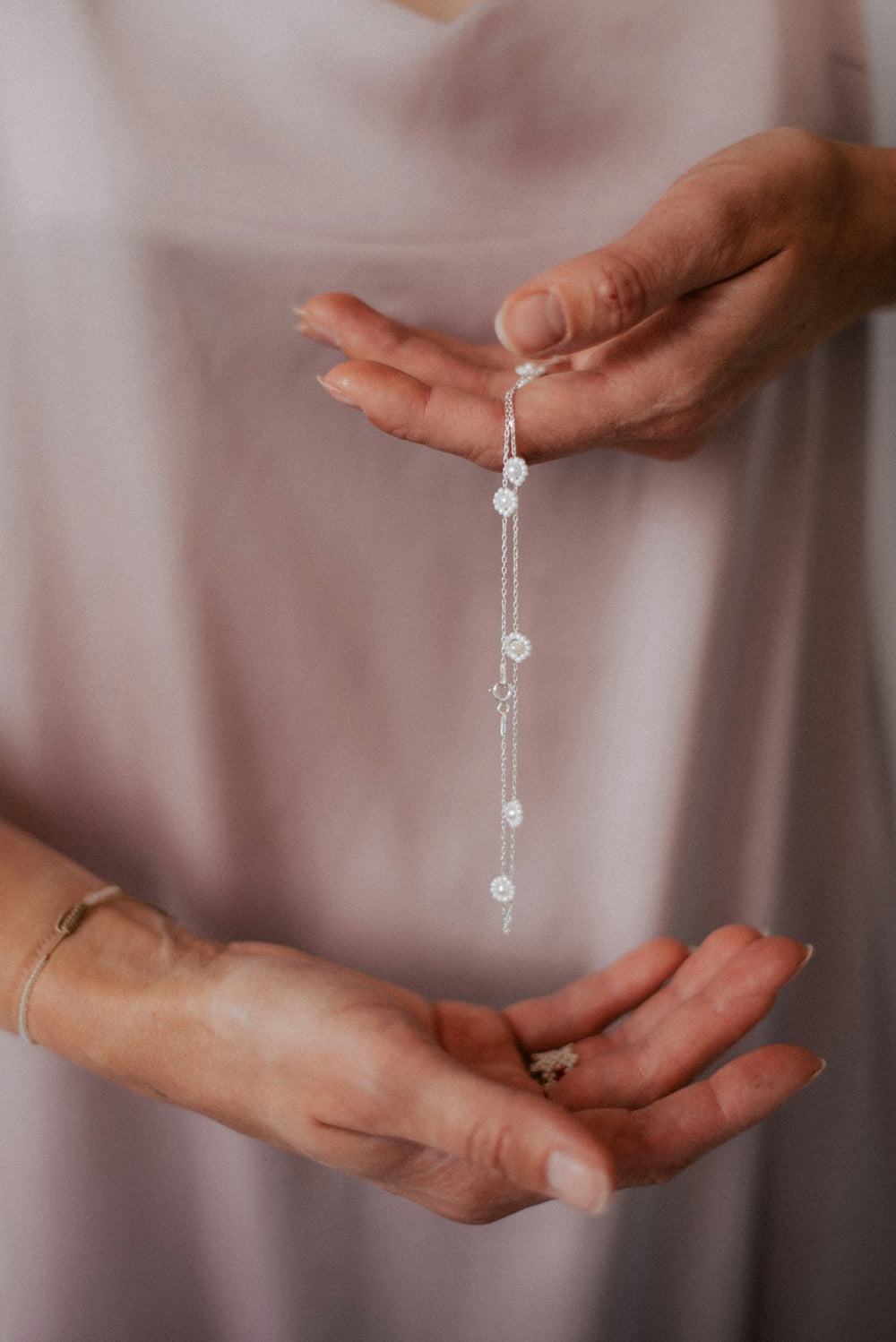
Learn how to pack necklaces, rings, earrings and bracelets for travel while reducing tangling, scratching, moisture exposure and loss.

Learn why necklaces tangle, which habits make tangling worse, and how to store and wear chains to reduce knots and...

Learn why a ring spins around your finger and how fit, finger shape, ring weight and daily movement can affect...

Choose everyday jewellery for office wear by considering scale, comfort, outfit compatibility, repeat wear and how easily pieces can be...

Use this checklist to review materials, dimensions, care instructions, sizing, delivery and returns before buying gold plated jewellery online.
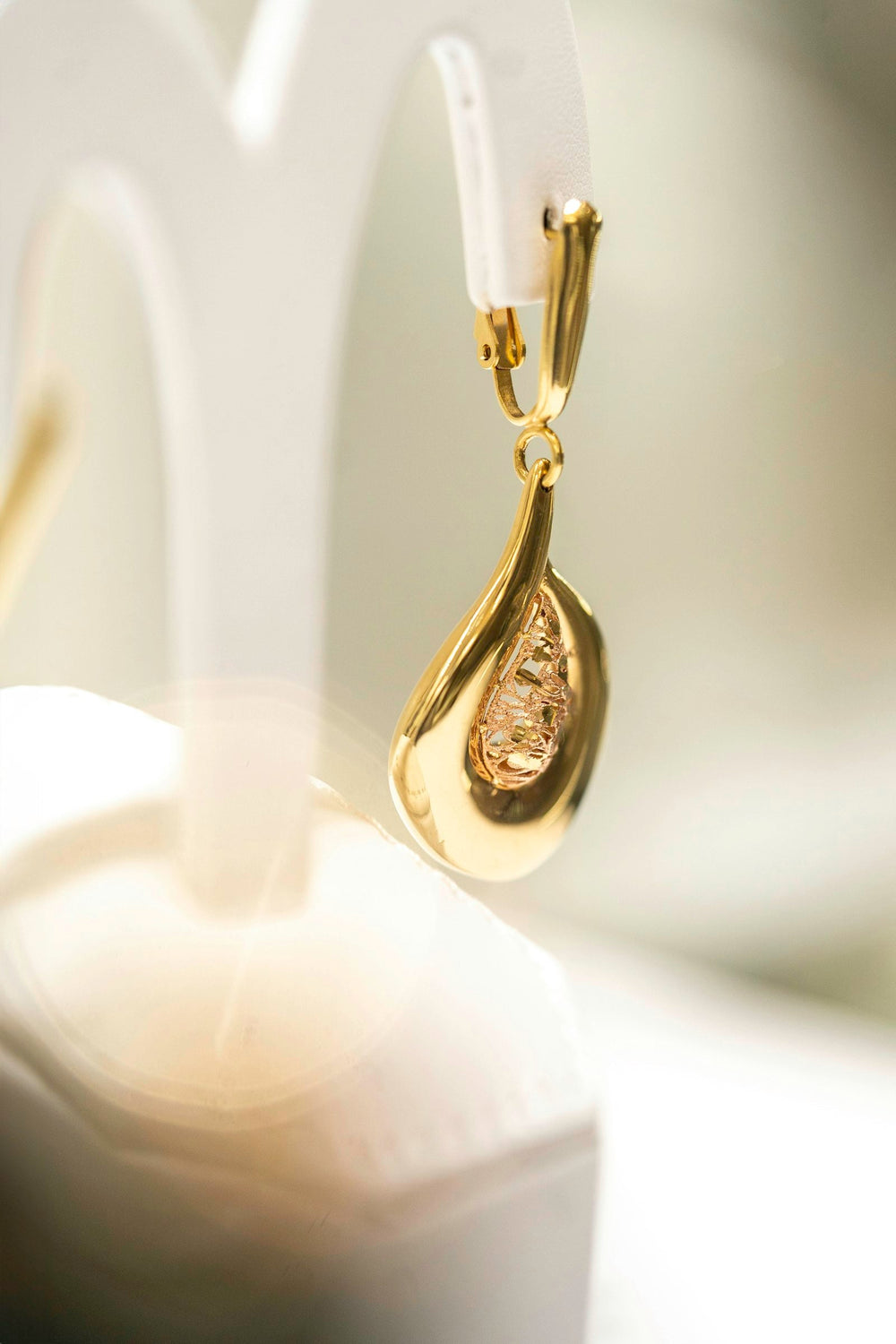
Learn why gold earrings can turn dark, how moisture, residue and wear contribute, and how to care for them without...
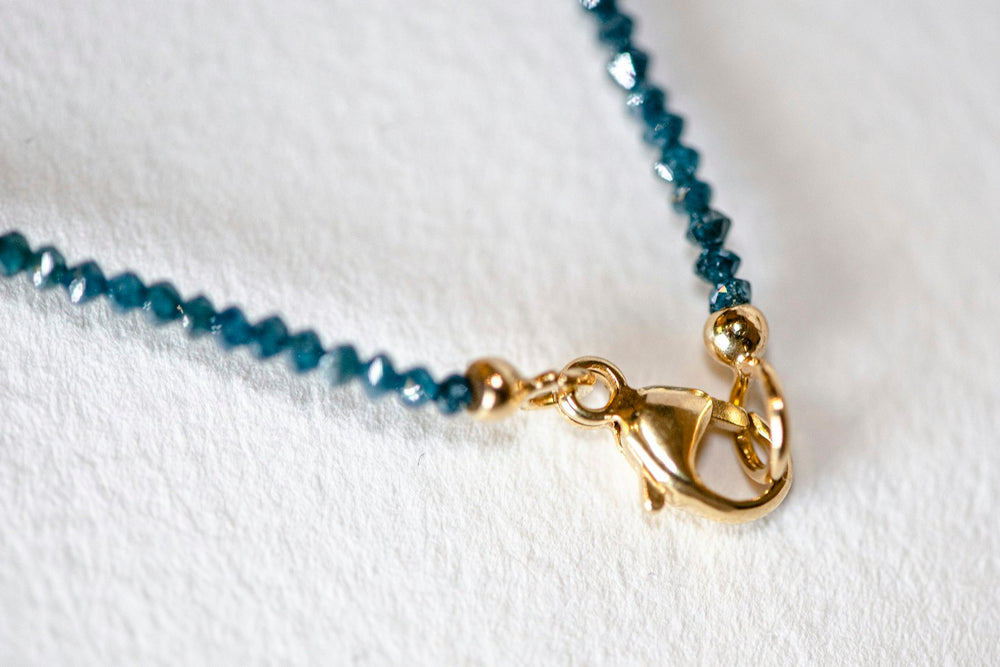
Find out why a necklace clasp can move to the front, how chain weight and movement affect it, and what...
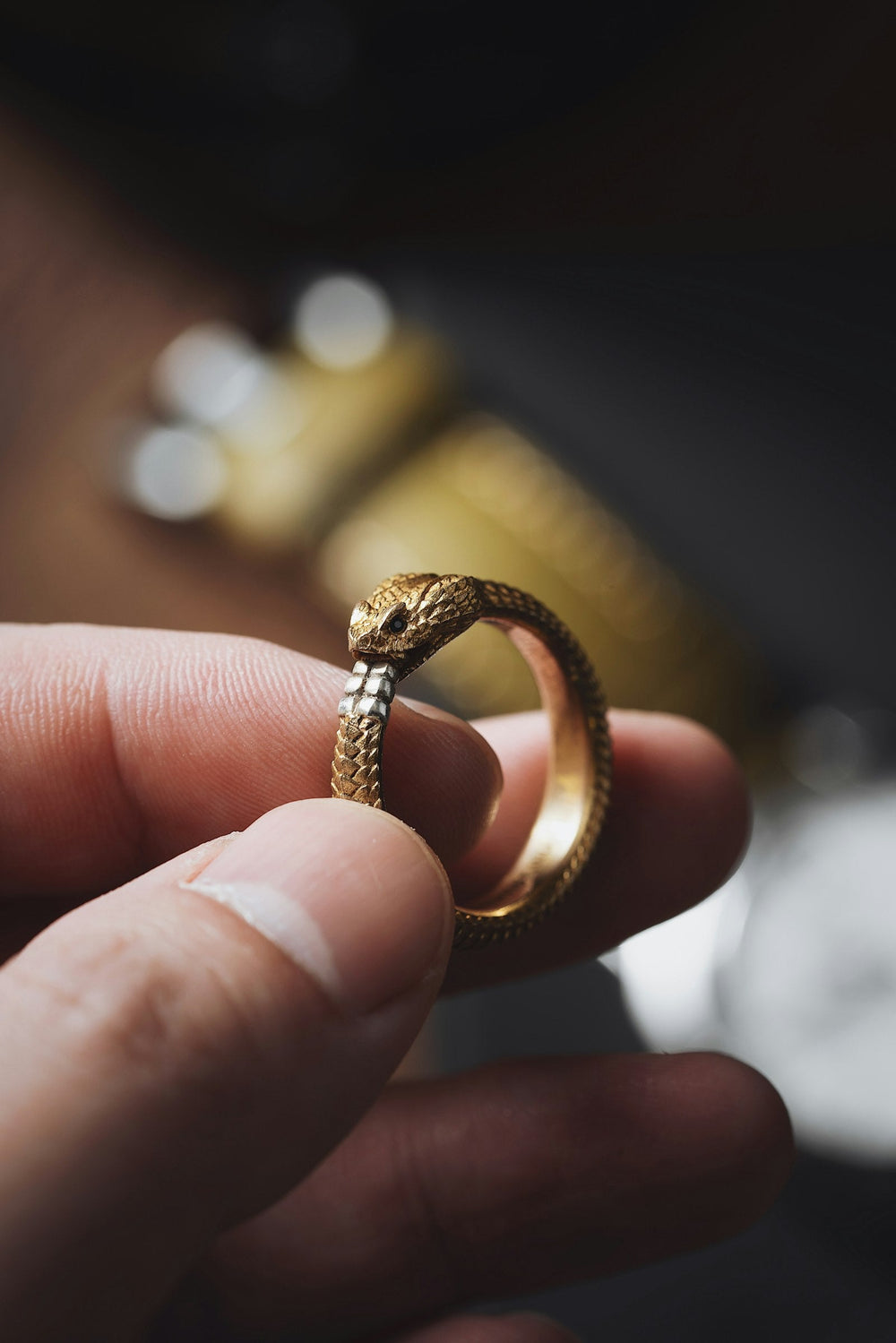
Learn a simple way to measure ring size at home and use the result when choosing jewellery online, with practical...

A practical guide to caring for gold plated jewellery, including cleaning, storage, daily-wear habits and what to avoid. Product-specific care...

Learn a gentle, practical way to clean gold plated jewellery while avoiding unnecessary abrasion, harsh chemicals and moisture-related mistakes.
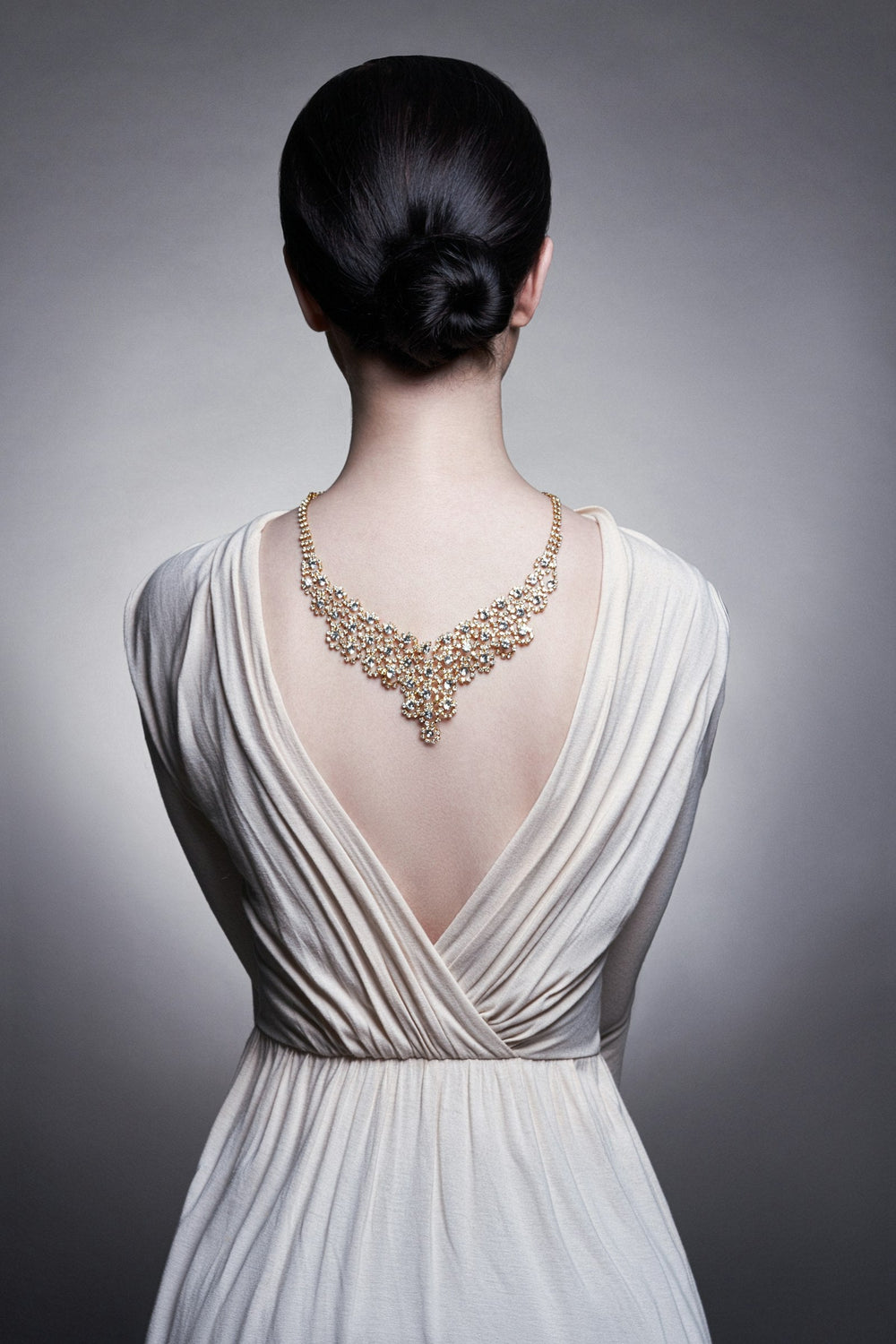
A practical guide to choosing necklace styles by look, occasion and layering preference, with links to REVOSHA's necklace collections and...

Understand what affects the wear of gold plated jewellery, including friction, moisture, personal-care products, storage and everyday use.
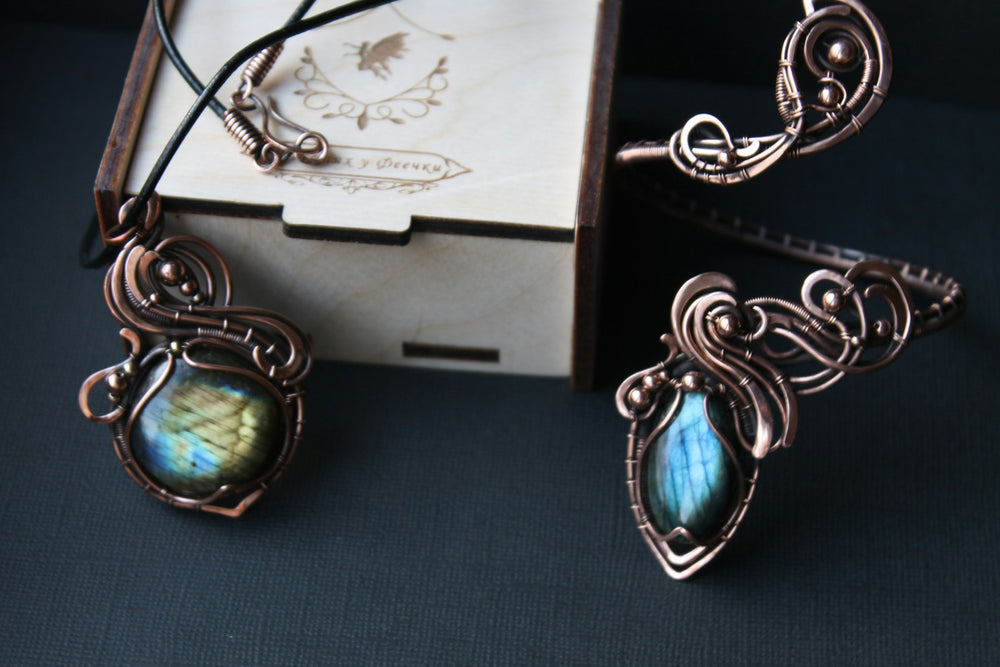
Learn how to store necklaces, rings, earrings and bracelets to reduce tangling, scratching, moisture exposure and unnecessary tarnishing.

Learn why jewellery can leave green marks on skin, what causes them, how to reduce them and what to check...
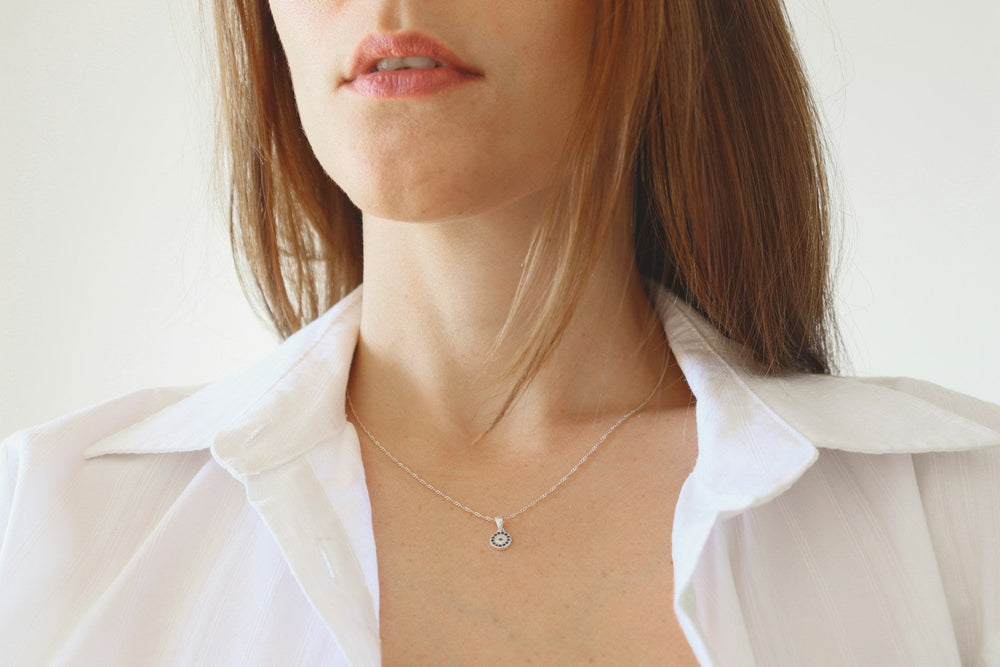
Find out when to remove gold plated jewellery for showering, sleeping, swimming and exercise, plus simple habits that can reduce...
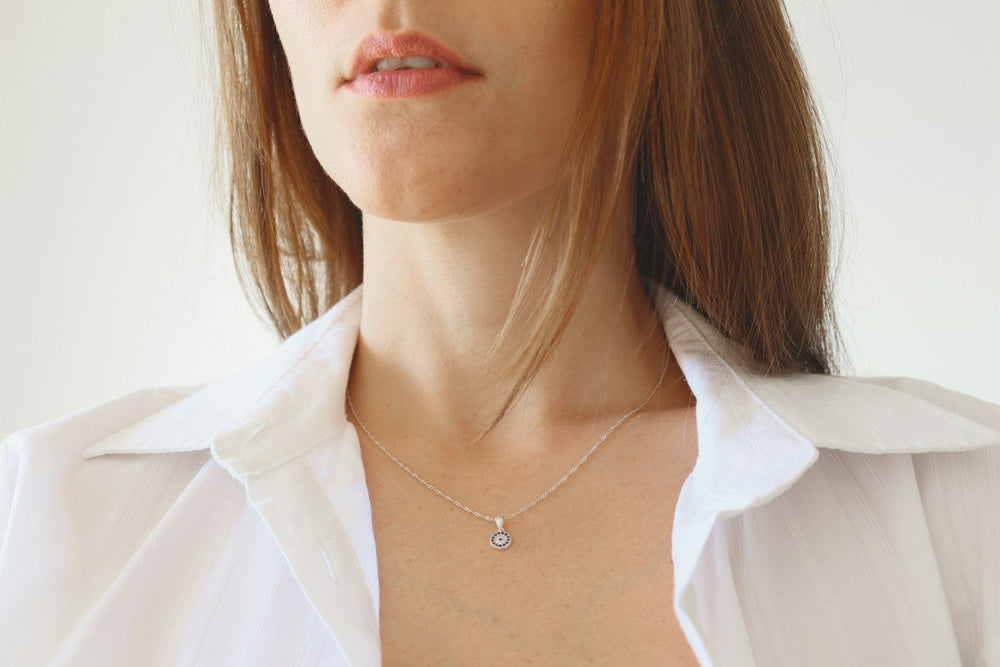
Learn why gold plated jewellery can turn dark, how moisture, sweat, products and friction affect it, and how to prevent...

Choose a meaningful jewellery gift with practical tips for selecting necklaces, rings, earrings and bracelets for different styles and occasions.

Wondering about gold plated jewellery for daily wear? Learn what to check, how to care for pieces and how to...
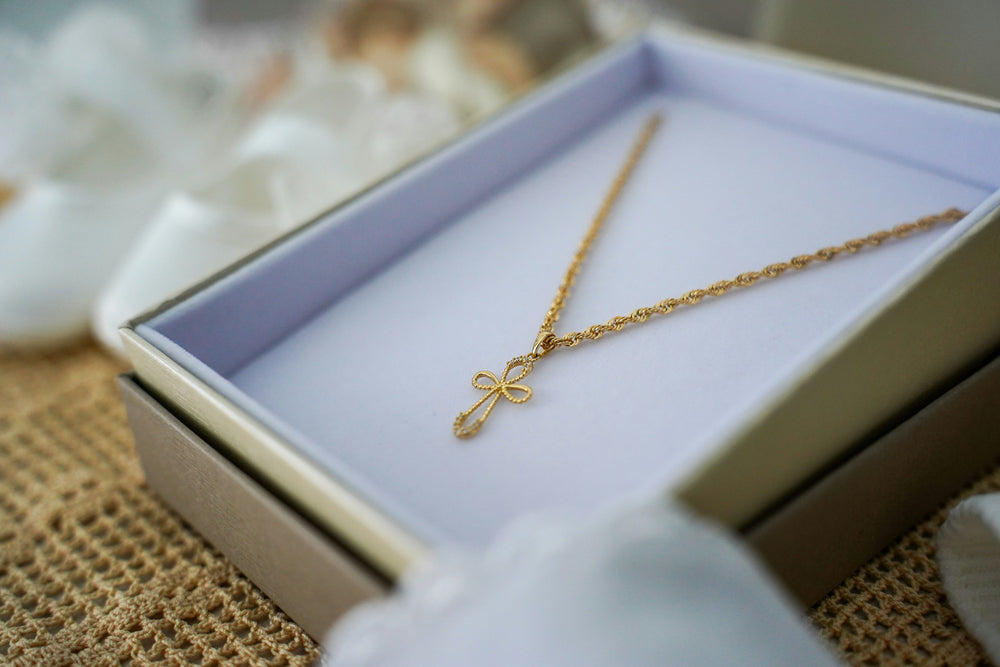
Shop REVOSHA jewellery for gifting and everyday style. Explore necklace, ring, earring and bracelet ideas for meaningful occasions.
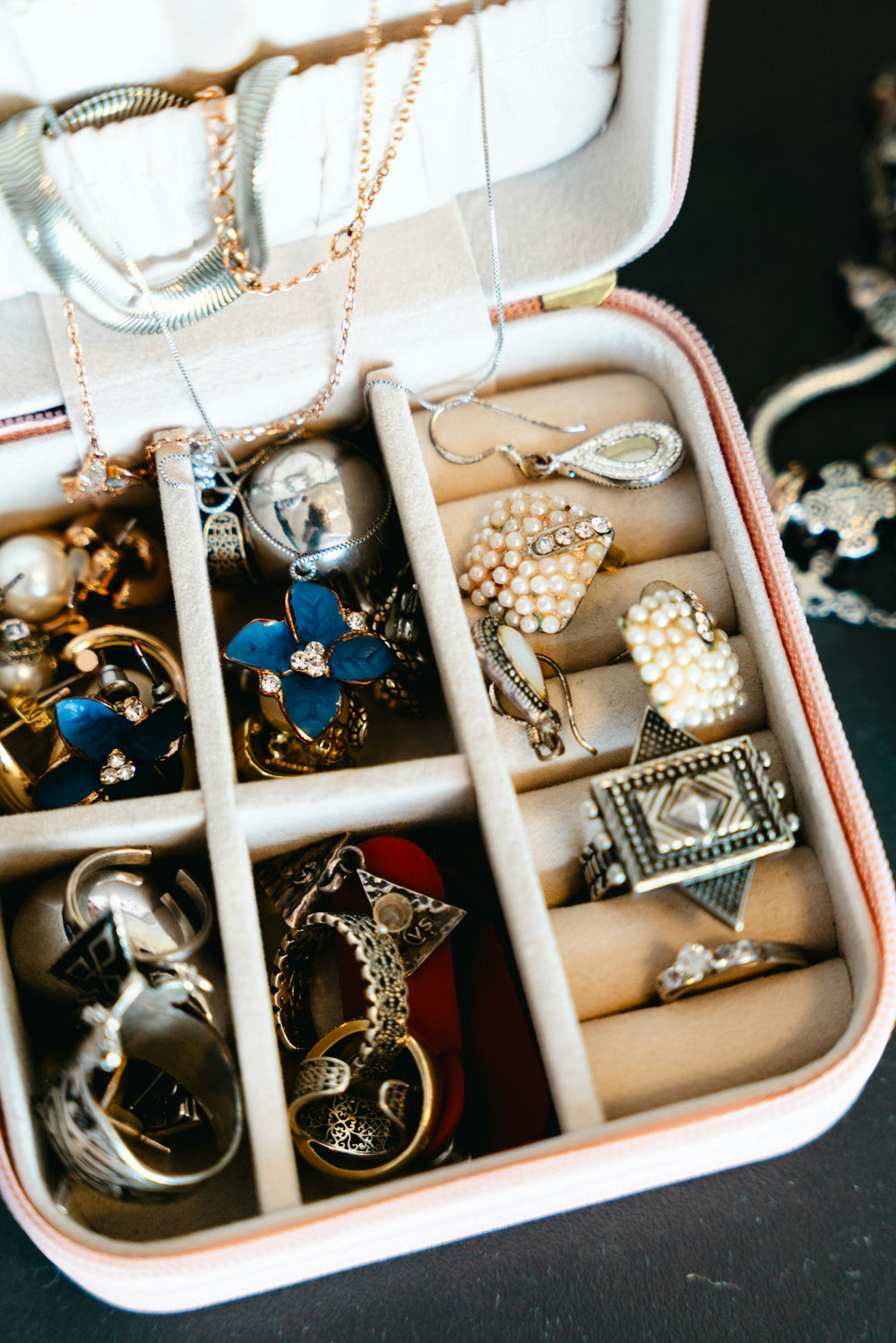
A practical guide to gold plated jewellery, including what the finish means, what to check before buying and how to...

Practical jewellery travel tips for packing, styling and caring for necklaces, rings, earrings and bracelets on your next trip.
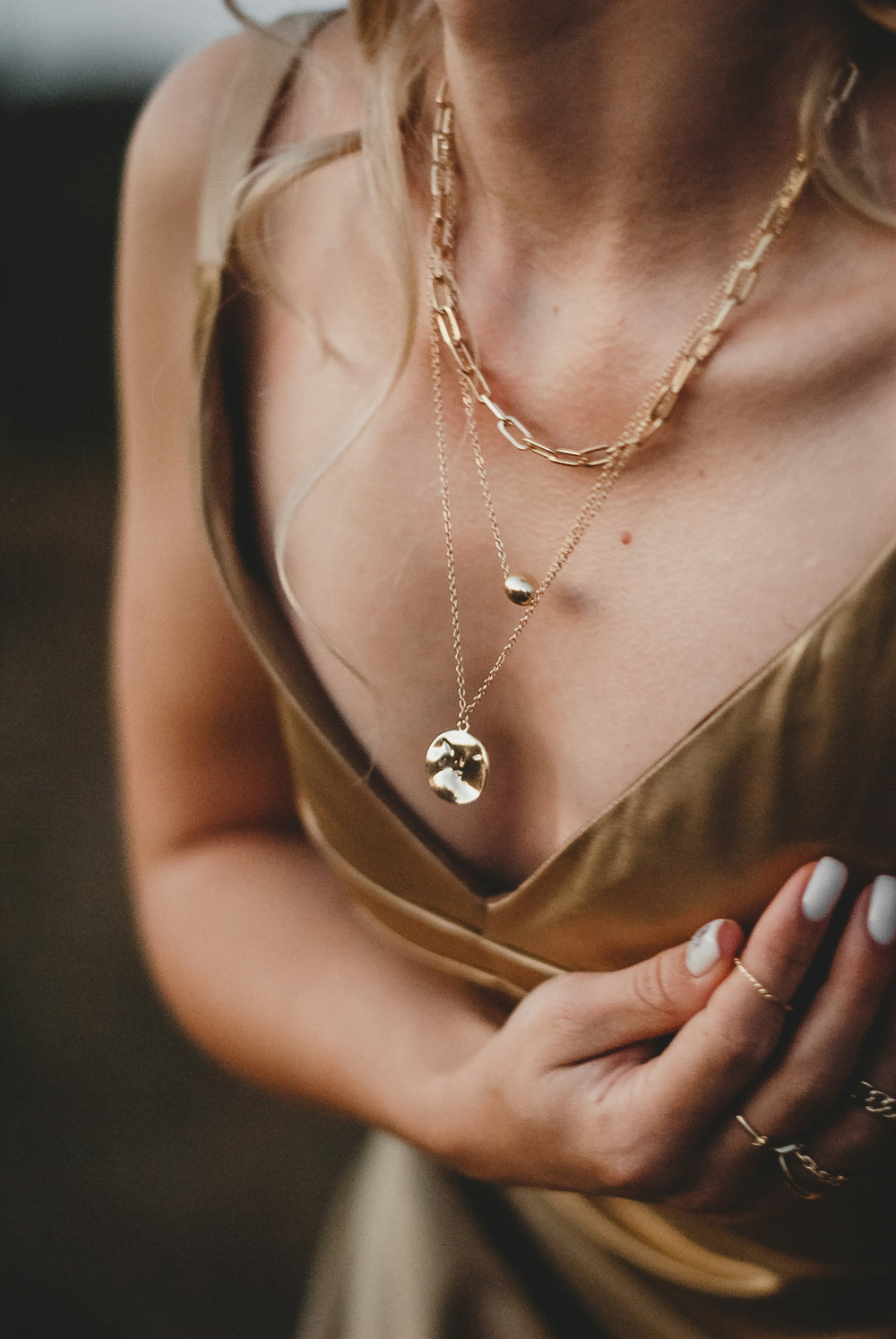
A practical buyer’s guide to choosing gold plated jewellery, including what to check in product details, materials, care guidance and...