


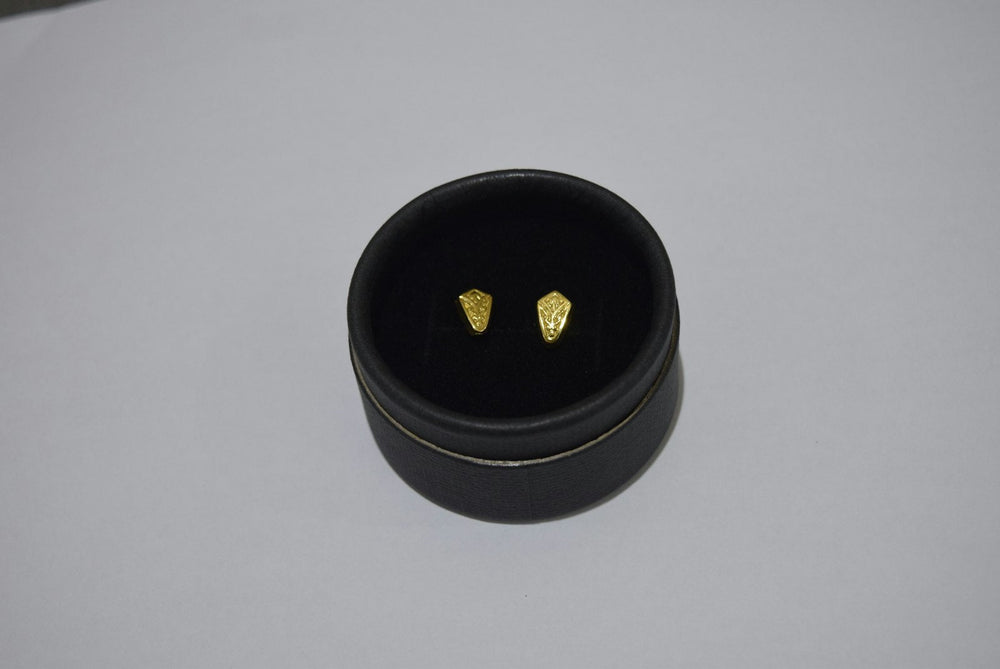
Choose earrings for longer wear by considering weight, closure type, proportions, comfort and how the pair fits your everyday routine.
Buying Guide


Crystal Radiance Pendant Necklace


Crystal Frame Pendant Necklace


Sunshine Heart Pendant Necklace

A bracelet can look perfect when you put it on and then slowly travel up your wrist during the day. Sometimes it moves toward the hand, sometimes toward the forearm, and sometimes it keeps rotating as you move.
This is usually a combination of fit, wrist shape, bracelet construction and normal movement. Understanding those factors can help you decide whether the bracelet simply moves naturally or whether the fit needs attention.
Why does a bracelet slide up the wrist?
A bracelet moves when there is enough room between the jewellery and your wrist for it to travel. The amount of movement depends on how loose it is and how your wrist changes shape along its length.
If your wrist is narrower closer to the hand and wider farther up the arm, a loose bracelet can naturally move toward the narrower area.
Chain bracelets move differently from rigid bracelets
Flexible chain bracelets can change shape as you move your hand. A rigid bangle follows a different path because it keeps more of its circular shape.
The construction therefore matters just as much as the nominal size.
Weight can change where the bracelet sits
A bracelet with a heavier charm or decorative section may naturally rotate or pull toward one side. The same principle applies to a watch or a bracelet with a larger central feature.
If the bracelet moves but remains secure and comfortable, this may simply be normal weight distribution.
How tight should a bracelet feel?
A bracelet should be comfortable enough to allow natural movement without feeling so loose that it can easily slip over the hand. The correct amount of space depends on the design and personal preference.
Do not assume that tighter always means better. Excessive pressure can make a bracelet uncomfortable and may increase friction against the skin.
Measure your wrist instead of guessing
If you are buying a new bracelet online, use the product's size information and measure your wrist according to the seller's instructions.
Do not assume that your ring size or the size of another bracelet automatically tells you the right bracelet size.
Adjustable bracelets can solve a sizing problem
Bracelets with extension chains or adjustable closures provide more flexibility when exact sizing is uncertain. They can also make the same piece easier to wear on slightly different days.
Check the full adjustment range before ordering rather than looking only at the shortest length.
Do not modify the chain yourself
Cutting links or changing a clasp at home can damage the bracelet. If a fixed bracelet is clearly the wrong size, ask the seller or a qualified jeweller whether adjustment is possible.
Movement during daily activities
Typing, driving, cooking and other hand movements naturally make jewellery shift. A bracelet that stays perfectly still while your arm is stationary may move once you begin using your hands.
That movement is not automatically a defect.
When sliding is a warning sign
If the bracelet repeatedly slips over the hand, catches on clothing, opens unexpectedly or causes uncomfortable rubbing, the fit or hardware deserves attention.
A secure closure is particularly important. If it does not close properly, stop wearing the piece until the fastening has been checked.
Simple ways to improve bracelet comfort
Our storage guide covers simple ways to protect bracelets and other jewellery.
Explore Related REVOSHA Guides
For more practical guidance, read our How to Measure Ring Size at Home: Simple Indian Size Guide and How to Stack Bracelets Without Scratching, Tangling or Looking Overdone.
Final takeaway
A bracelet sliding up your wrist is usually related to space, wrist shape, movement or weight distribution. Check whether the bracelet is secure and comfortable before trying to stop every small movement. If the fit is genuinely loose or the closure is unreliable, then it is time to address the sizing or hardware.


Handpicked articles to help you learn more about jewellery, styling, and care.
Choose earrings for longer wear by considering weight, closure type, proportions, comfort and how the pair fits your everyday routine.
Understand the basic differences between gold plated and solid gold jewellery and what online buyers should check before making a...
Learn why necklace chains kink or bend, how storage and movement contribute, and what habits can help keep chains in...
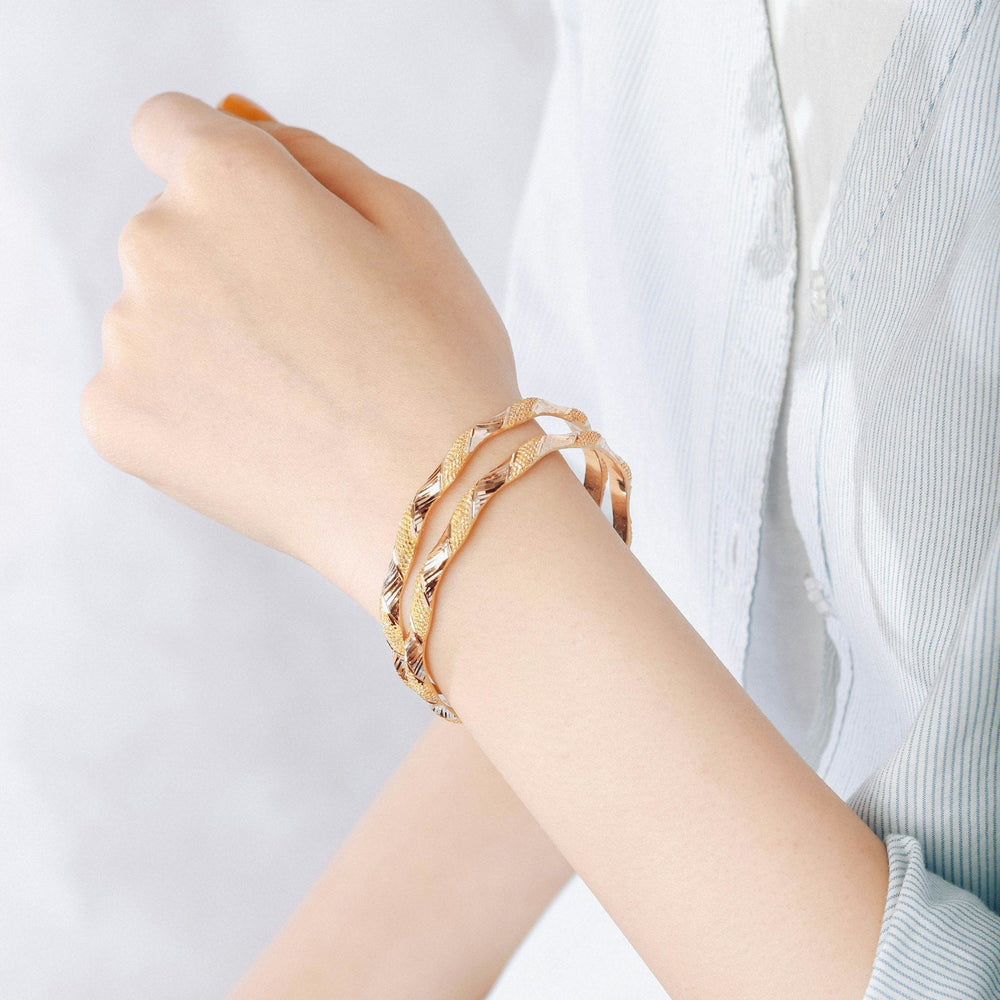
Learn how to stack bracelets with different shapes and weights while reducing scratching, tangling and visual clutter.

Learn how to pair gold plated necklaces, earrings, rings and bracelets with Indian outfits by balancing neckline, occasion, colour and...

Choose a jewellery gift without knowing the recipient's size by focusing on flexible styles, proportions, existing preferences and practical details.
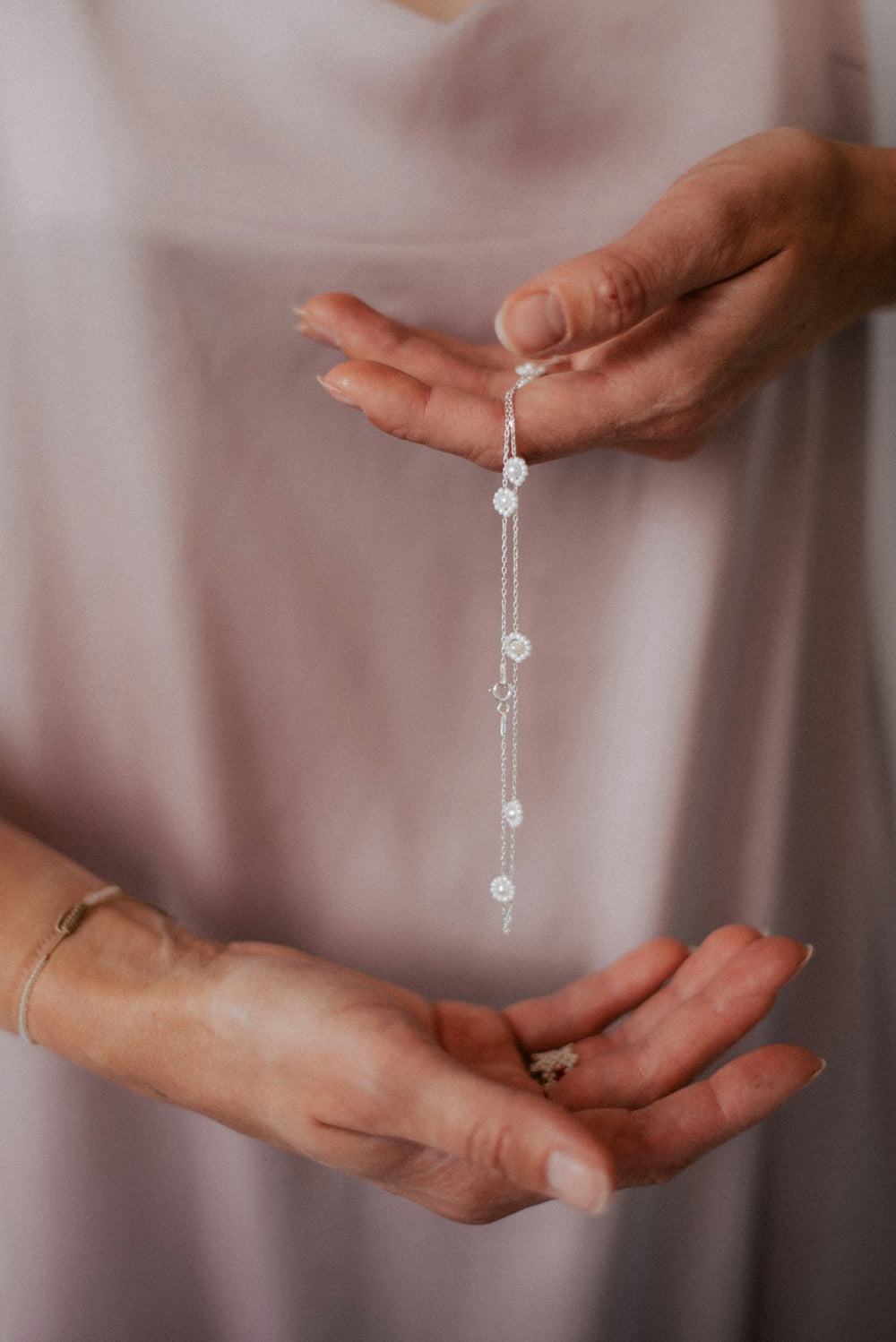
Learn how to pack necklaces, rings, earrings and bracelets for travel while reducing tangling, scratching, moisture exposure and loss.

Learn why necklaces tangle, which habits make tangling worse, and how to store and wear chains to reduce knots and...

Learn why a ring spins around your finger and how fit, finger shape, ring weight and daily movement can affect...

Choose everyday jewellery for office wear by considering scale, comfort, outfit compatibility, repeat wear and how easily pieces can be...

Use this checklist to review materials, dimensions, care instructions, sizing, delivery and returns before buying gold plated jewellery online.
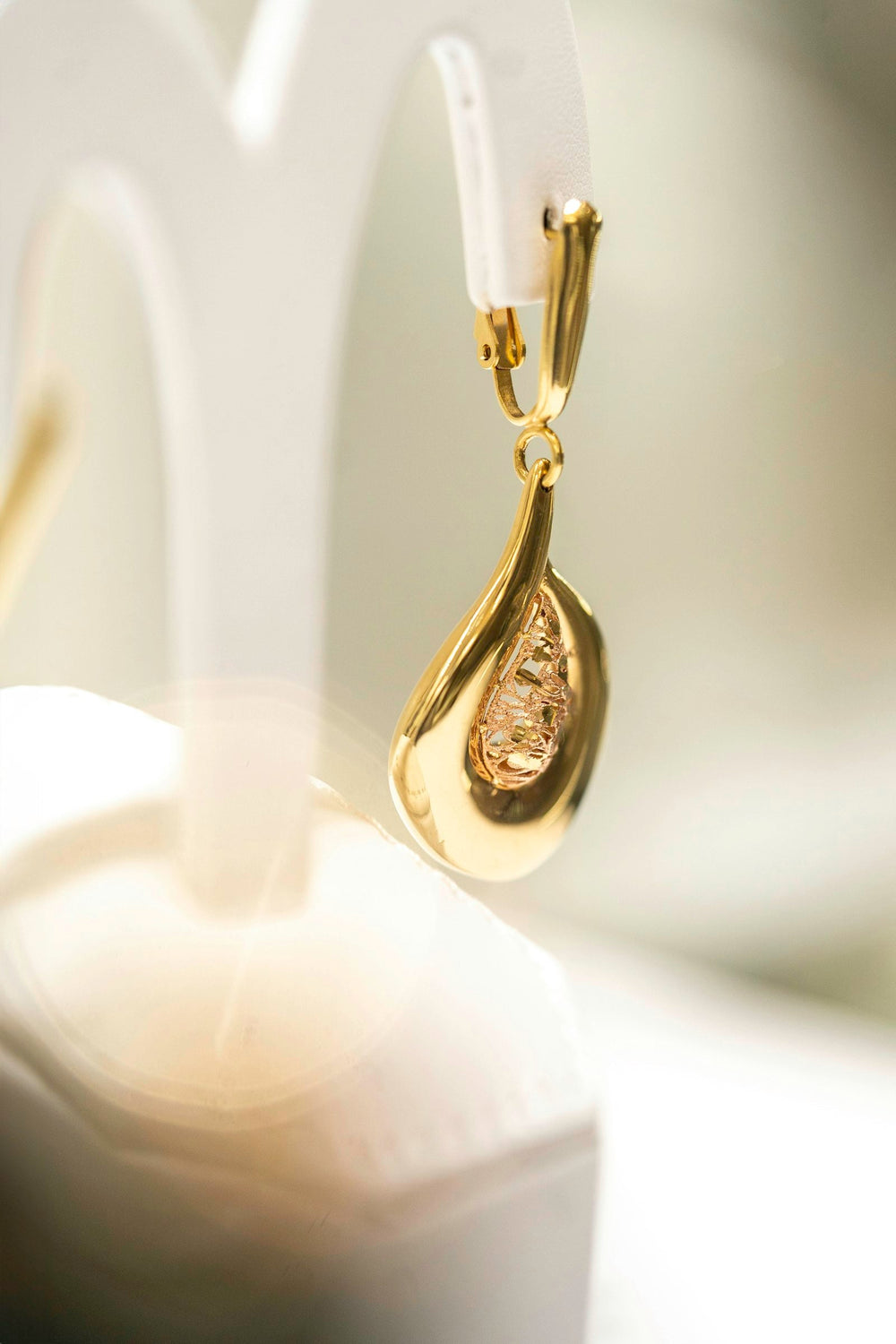
Learn why gold earrings can turn dark, how moisture, residue and wear contribute, and how to care for them without...
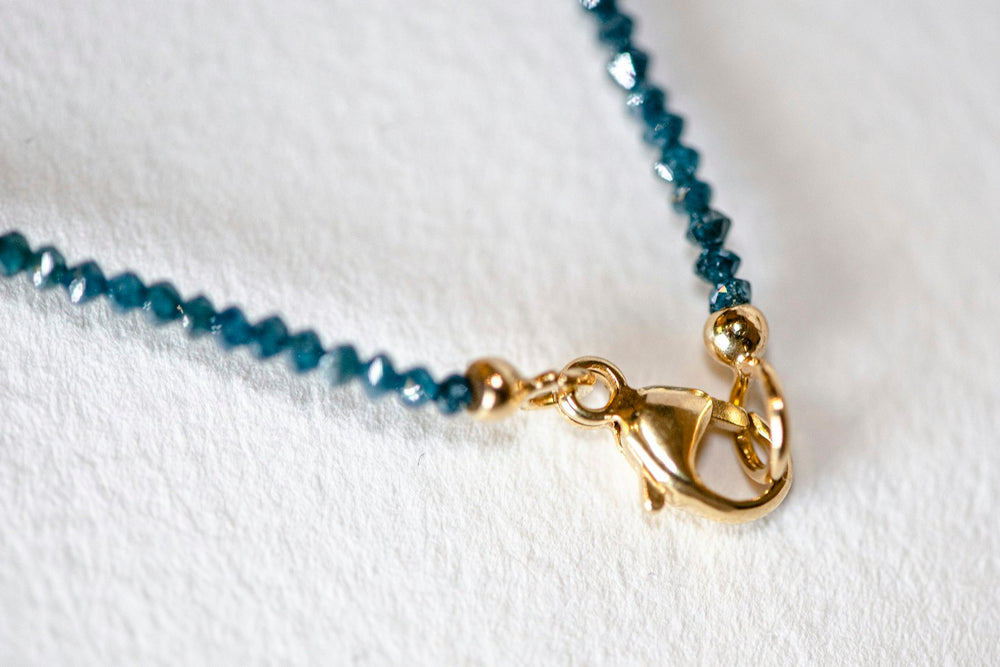
Find out why a necklace clasp can move to the front, how chain weight and movement affect it, and what...
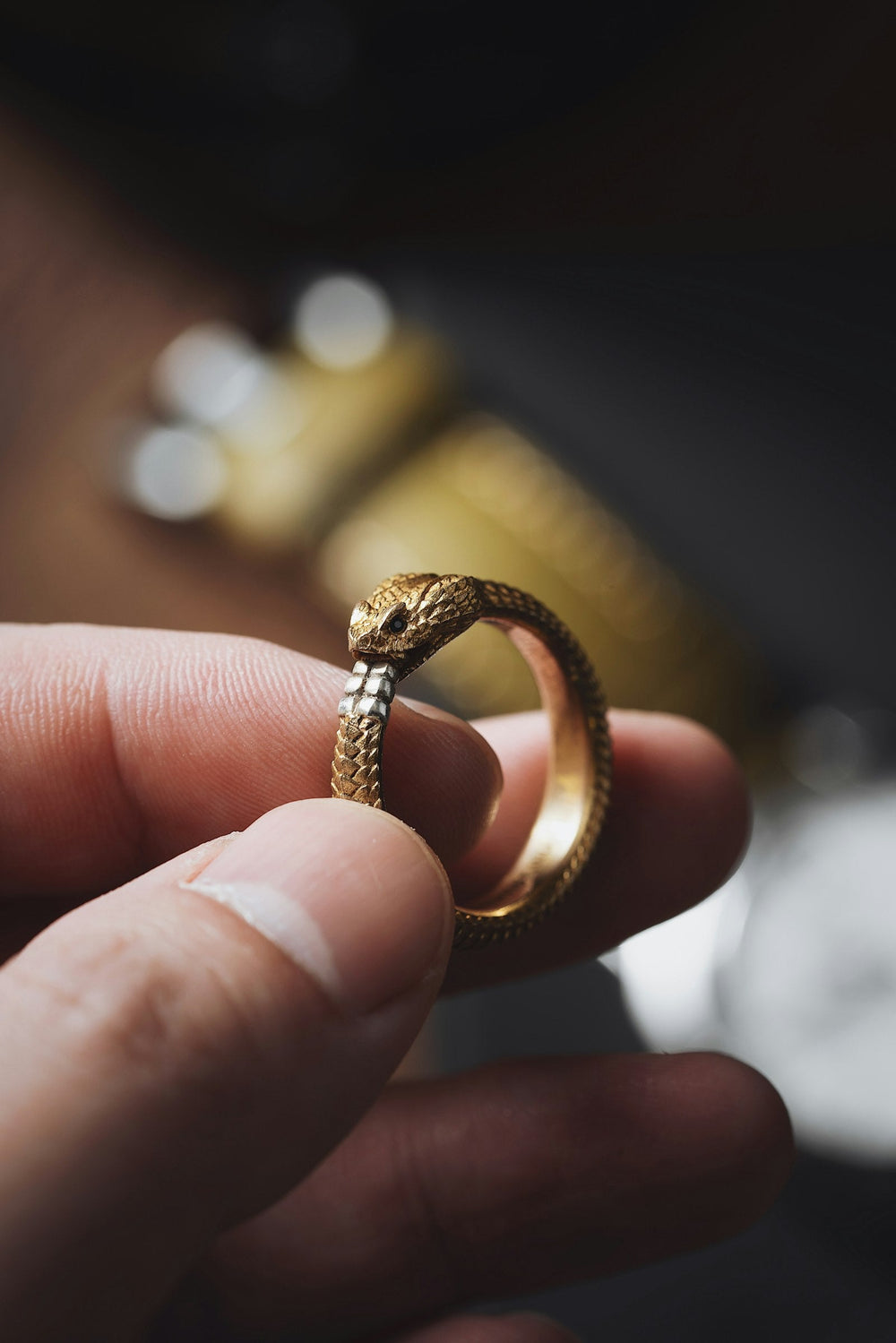
Learn a simple way to measure ring size at home and use the result when choosing jewellery online, with practical...

A practical guide to caring for gold plated jewellery, including cleaning, storage, daily-wear habits and what to avoid. Product-specific care...

Learn a gentle, practical way to clean gold plated jewellery while avoiding unnecessary abrasion, harsh chemicals and moisture-related mistakes.
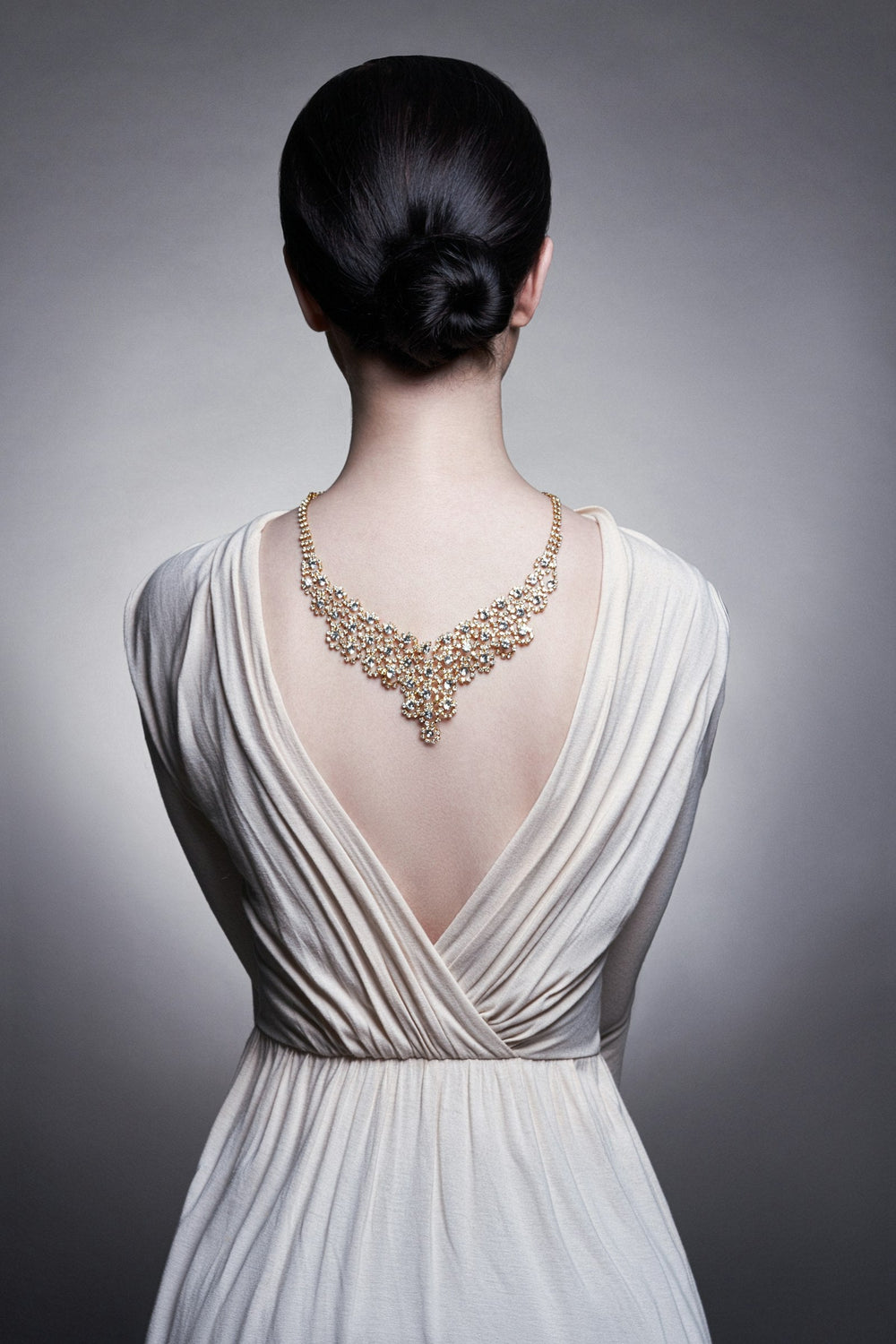
A practical guide to choosing necklace styles by look, occasion and layering preference, with links to REVOSHA's necklace collections and...
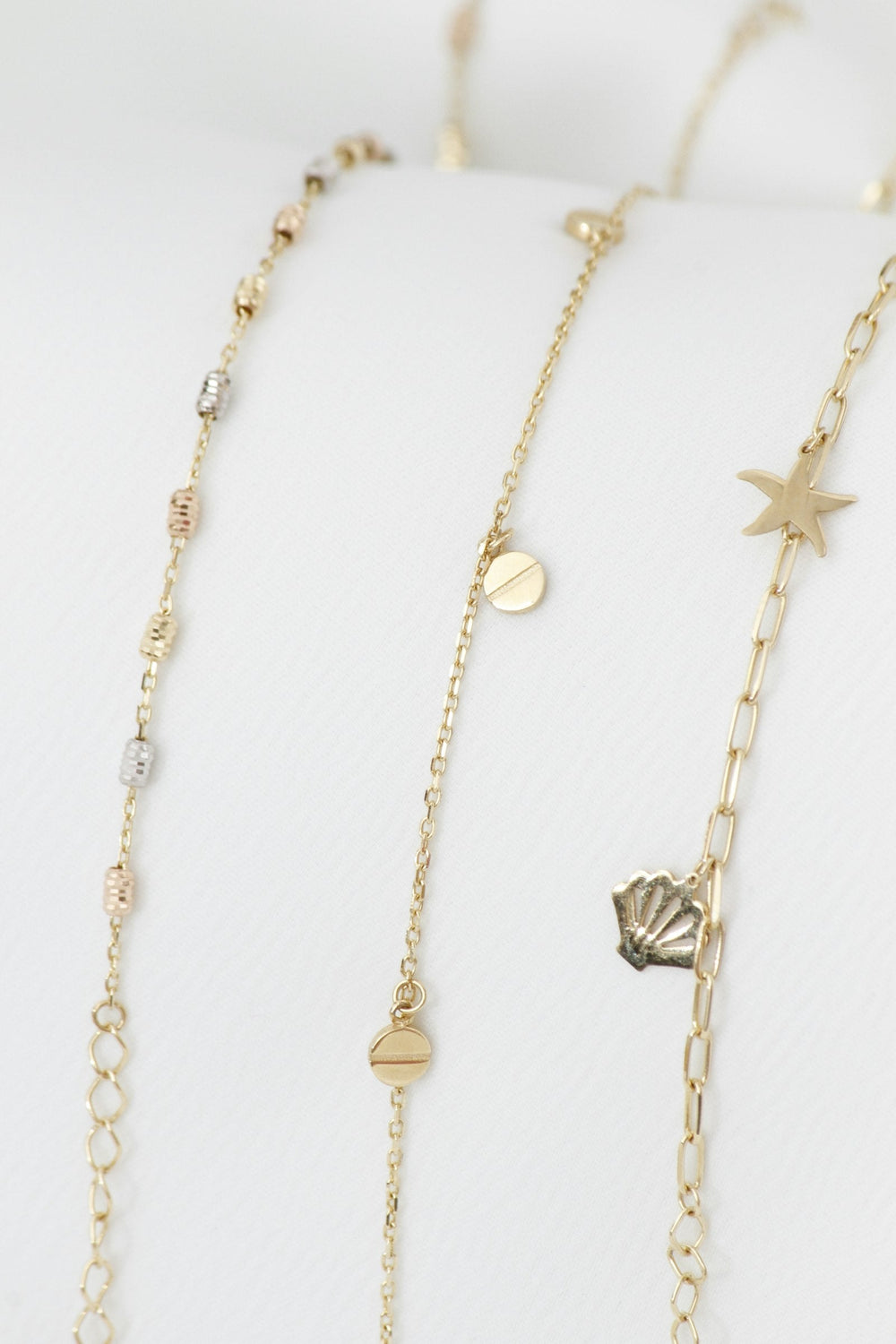
Simple necklace layering tips covering lengths, focal points, outfit necklines and how to combine chain, pendant and layered styles.

Understand what affects the wear of gold plated jewellery, including friction, moisture, personal-care products, storage and everyday use.
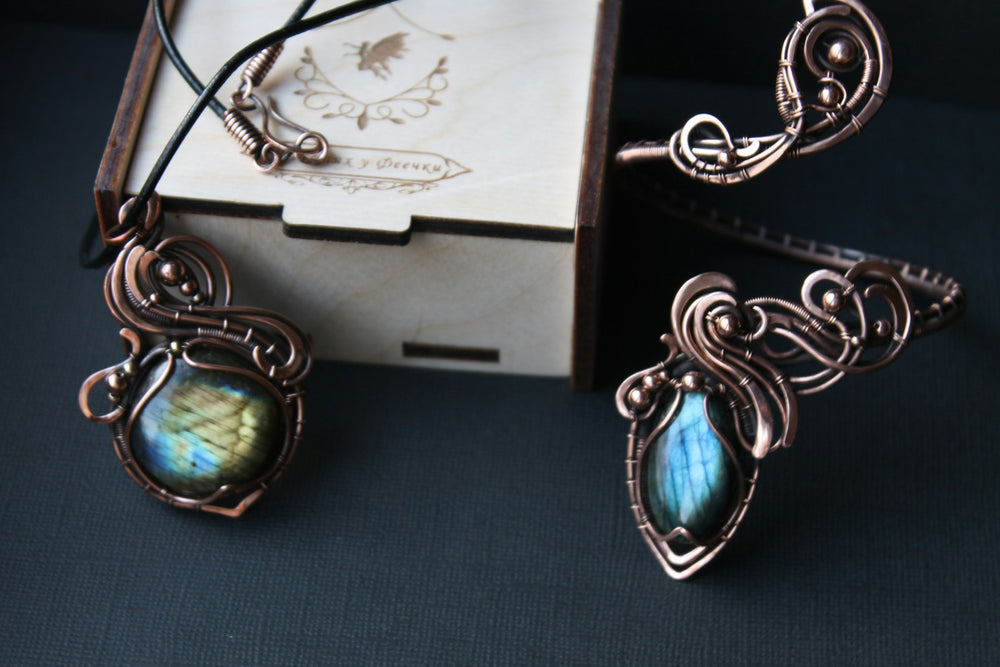
Learn how to store necklaces, rings, earrings and bracelets to reduce tangling, scratching, moisture exposure and unnecessary tarnishing.

Learn why jewellery can leave green marks on skin, what causes them, how to reduce them and what to check...
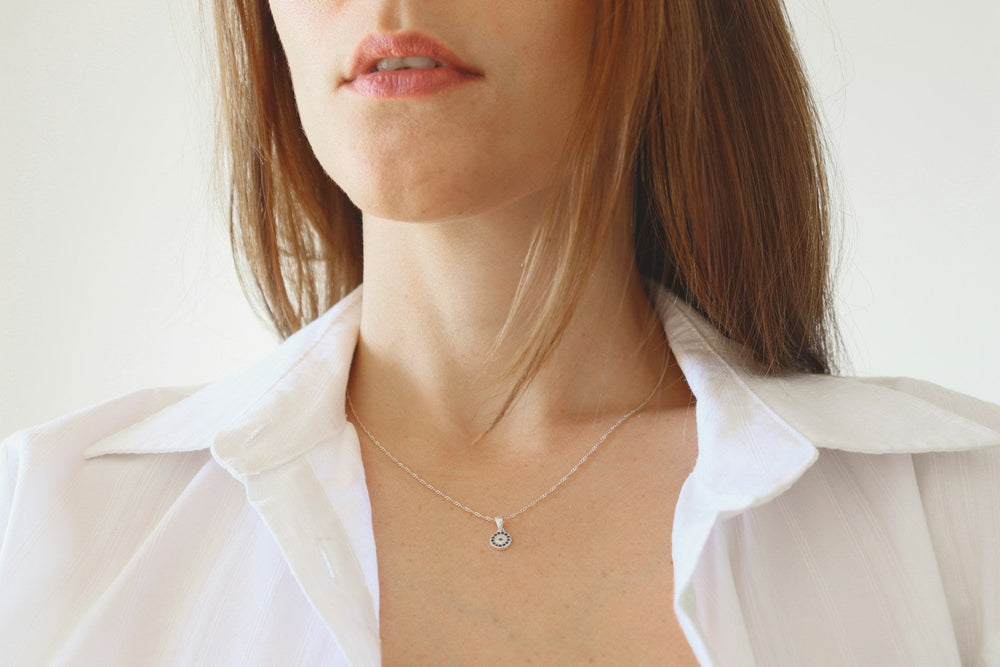
Find out when to remove gold plated jewellery for showering, sleeping, swimming and exercise, plus simple habits that can reduce...
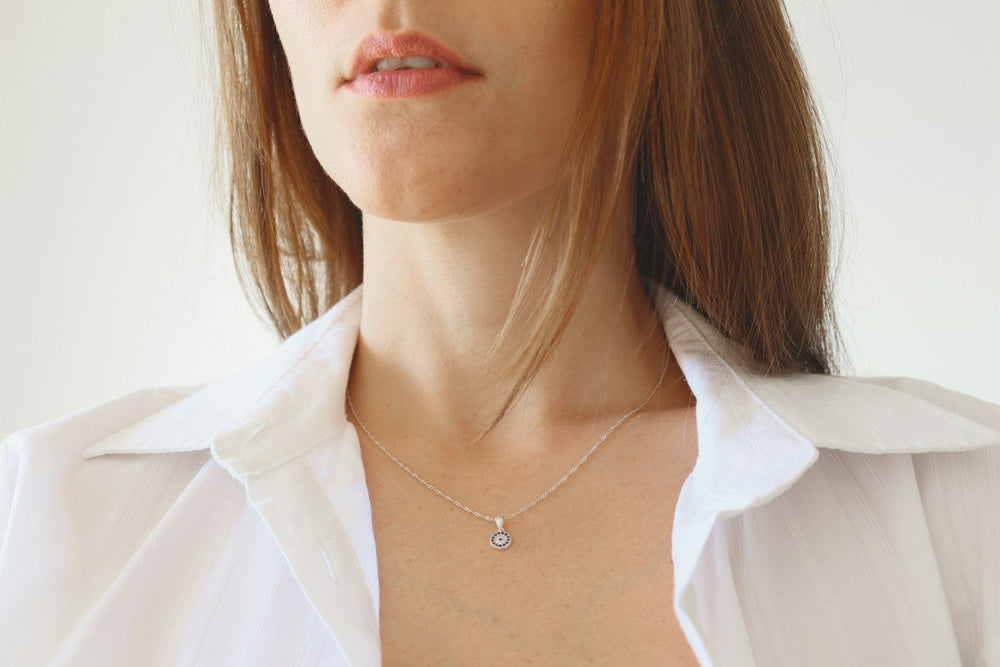
Learn why gold plated jewellery can turn dark, how moisture, sweat, products and friction affect it, and how to prevent...

Choose a meaningful jewellery gift with practical tips for selecting necklaces, rings, earrings and bracelets for different styles and occasions.

Wondering about gold plated jewellery for daily wear? Learn what to check, how to care for pieces and how to...
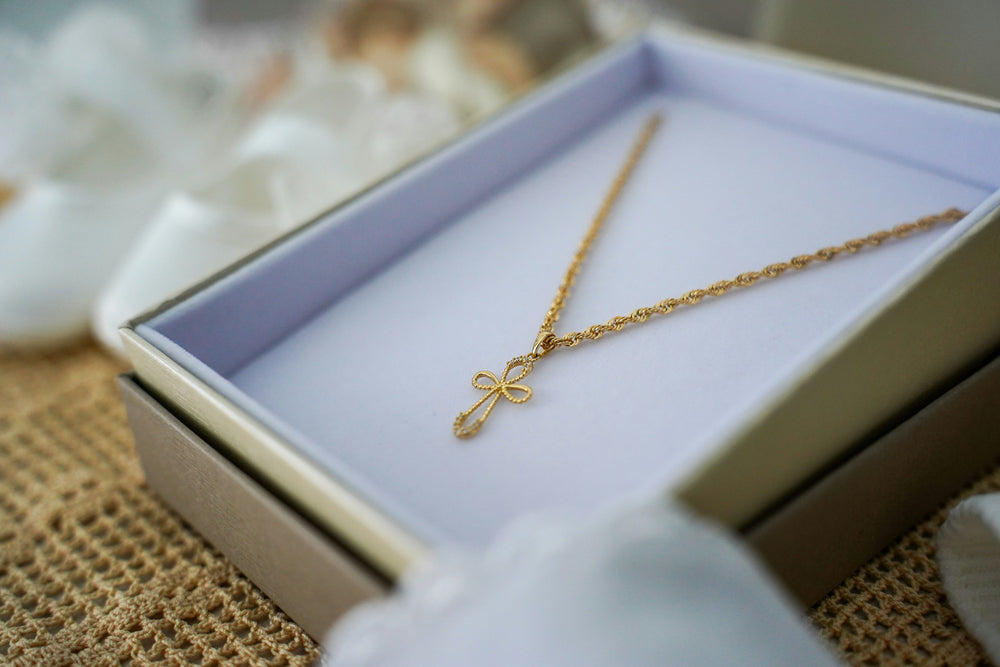
Shop REVOSHA jewellery for gifting and everyday style. Explore necklace, ring, earring and bracelet ideas for meaningful occasions.
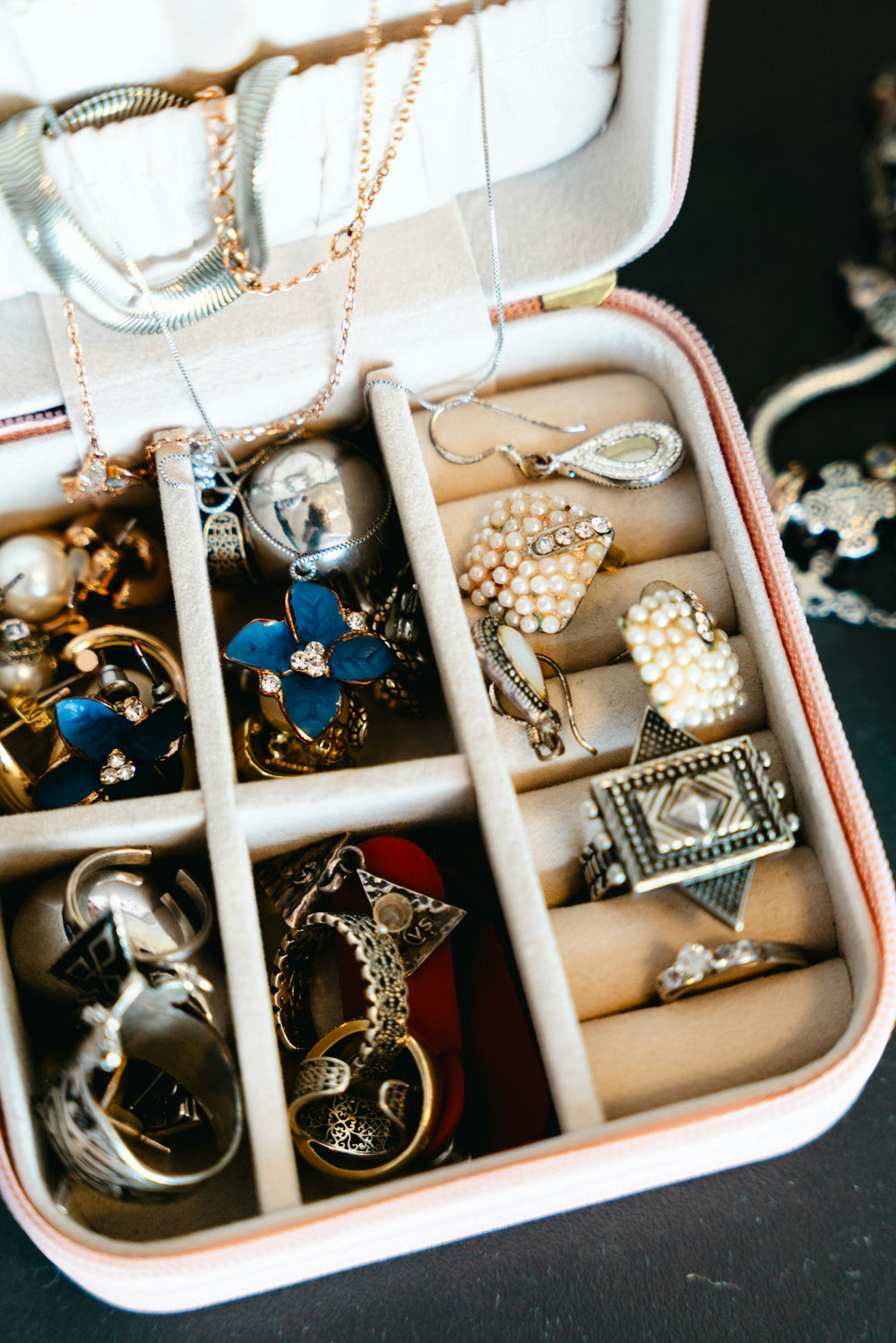
A practical guide to gold plated jewellery, including what the finish means, what to check before buying and how to...

Practical jewellery travel tips for packing, styling and caring for necklaces, rings, earrings and bracelets on your next trip.
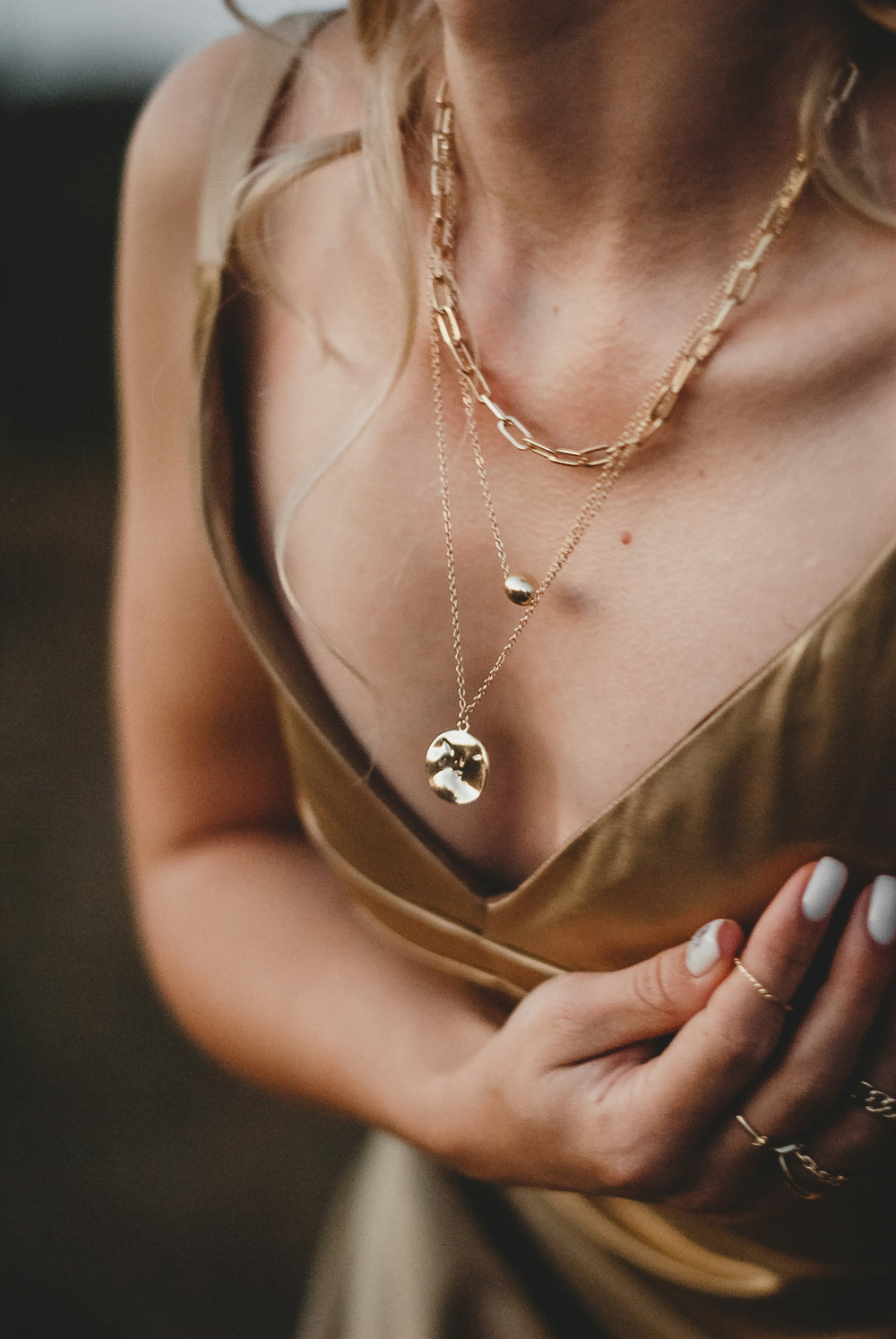
A practical buyer’s guide to choosing gold plated jewellery, including what to check in product details, materials, care guidance and...