


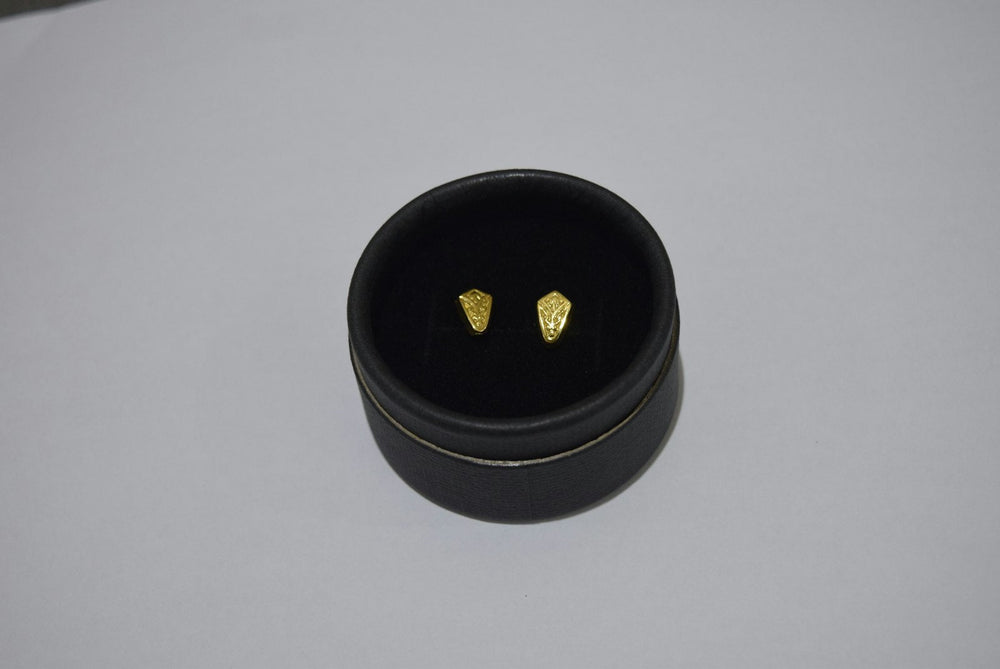
Choose earrings for longer wear by considering weight, closure type, proportions, comfort and how the pair fits your everyday routine.
Buying Guide


Crystal Radiance Pendant Necklace


Crystal Frame Pendant Necklace


Sunshine Heart Pendant Necklace

You take off a ring or bracelet and notice a green mark on your skin. The immediate thought is often: Is the jewellery fake?
Not necessarily. A green mark can happen when a reactive metal in or under a jewellery piece interacts with moisture and substances on the skin. For plated jewellery, the key question is often what metal sits underneath the surface finish and whether that metal has become exposed.
Why does jewellery turn skin green?
Copper and copper-containing alloys are common sources of green discoloration. When reactive metal is exposed to moisture and compounds from sweat or everyday products, chemical reactions can create coloured residues that transfer onto the skin.
The gold-coloured surface itself is not the whole story. In plated jewellery, the visible finish is a layer over a base material. If that finish becomes thinner at a high-friction area, the material underneath can have more contact with skin.
Why does it happen more with rings and bracelets?
Rings and bracelets stay in close contact with skin and experience a lot of movement. Hands also come into contact with water, soap, lotion and other products throughout the day.
That combination means the underside of a ring or the inside of a bracelet can experience more friction and moisture than a jewellery piece that touches the skin less often.
Is a green mark the same as a metal allergy?
No. A green mark is a discoloration phenomenon and does not by itself prove an allergy. Skin reactions can have different causes, however, so persistent irritation, itching, swelling or discomfort should not be dismissed as ordinary jewellery discoloration.
If you experience an ongoing skin reaction, stop wearing the piece and seek appropriate professional medical advice rather than trying to diagnose the cause from the colour of a mark alone.
How can you reduce green marks from jewellery?
What should you check before buying gold plated jewellery?
Do not look only at the colour or the word “gold”. Check what the product page actually tells you about the material, plating and care instructions. A transparent product description helps you understand what you are buying and how to care for it.
At REVOSHA, product-specific information and care instructions should be your first reference for the particular piece you are considering.
Can you wash the green mark off?
A superficial mark on skin can often be washed away with normal soap and water. That does not mean the jewellery itself should be scrubbed aggressively. If a piece has developed discoloration, use the product-specific cleaning instructions rather than harsh household chemicals or abrasive methods.
Does green skin mean you should never wear jewellery?
No. It means you should understand the material and your own wear conditions. Some people notice discoloration more readily because of their skin chemistry, sweat, humidity and how often a piece is worn.
The practical approach is to identify the cause, reduce unnecessary moisture and friction, and choose jewellery with clear material information.
Where to shop by style
If you are looking for pieces for different parts of your jewellery collection, explore rings, earrings, bracelets and gold necklaces.
Final takeaway
A green mark is usually a clue about metal, moisture and contact—not a simple test of whether jewellery is real or fake. Understanding the base material, caring for the finish and paying attention to persistent skin irritation are much more useful than judging a piece from one mark alone.


Handpicked articles to help you learn more about jewellery, styling, and care.
Choose earrings for longer wear by considering weight, closure type, proportions, comfort and how the pair fits your everyday routine.
Understand the basic differences between gold plated and solid gold jewellery and what online buyers should check before making a...
Learn why necklace chains kink or bend, how storage and movement contribute, and what habits can help keep chains in...
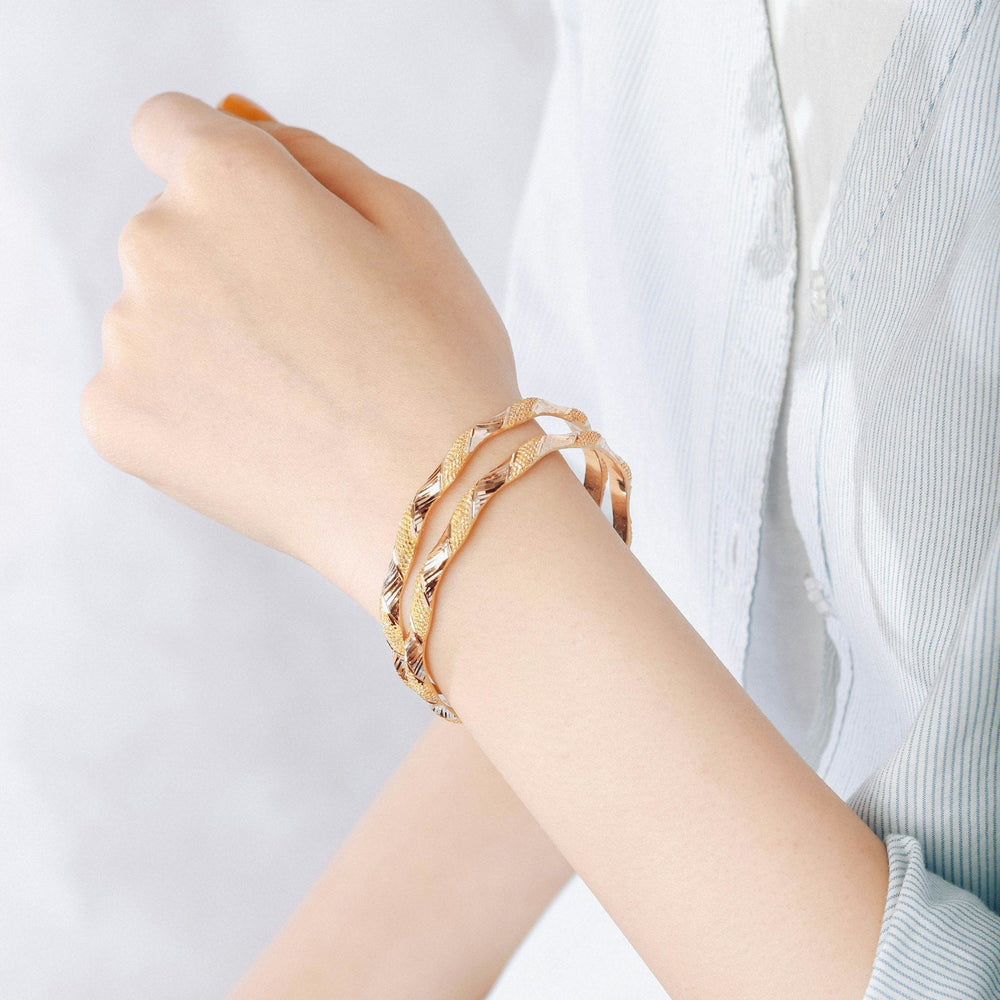
Learn how to stack bracelets with different shapes and weights while reducing scratching, tangling and visual clutter.
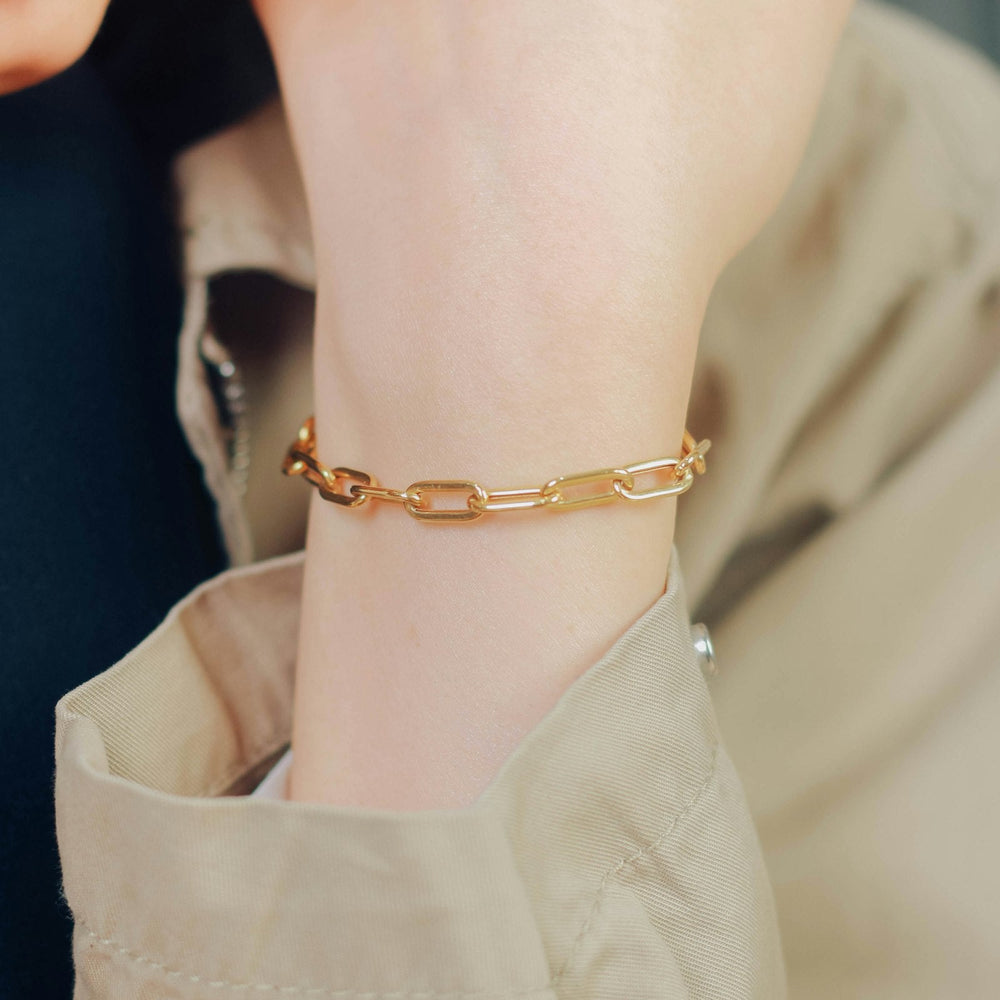
Learn why a bracelet slides up your wrist and how bracelet size, weight, wrist shape and movement can affect where...

Learn how to pair gold plated necklaces, earrings, rings and bracelets with Indian outfits by balancing neckline, occasion, colour and...

Choose a jewellery gift without knowing the recipient's size by focusing on flexible styles, proportions, existing preferences and practical details.
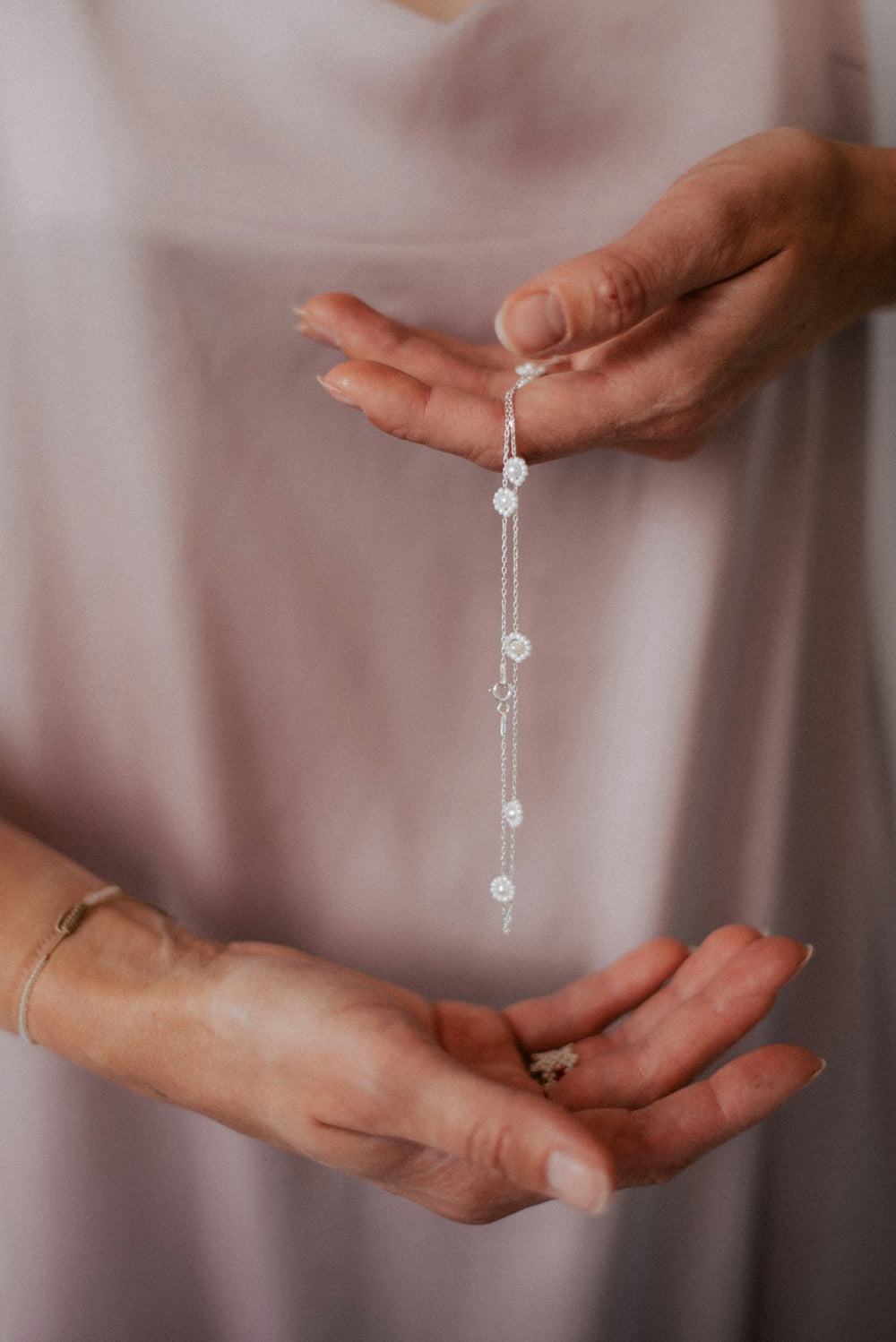
Learn how to pack necklaces, rings, earrings and bracelets for travel while reducing tangling, scratching, moisture exposure and loss.

Learn why necklaces tangle, which habits make tangling worse, and how to store and wear chains to reduce knots and...

Learn why a ring spins around your finger and how fit, finger shape, ring weight and daily movement can affect...

Choose everyday jewellery for office wear by considering scale, comfort, outfit compatibility, repeat wear and how easily pieces can be...

Use this checklist to review materials, dimensions, care instructions, sizing, delivery and returns before buying gold plated jewellery online.
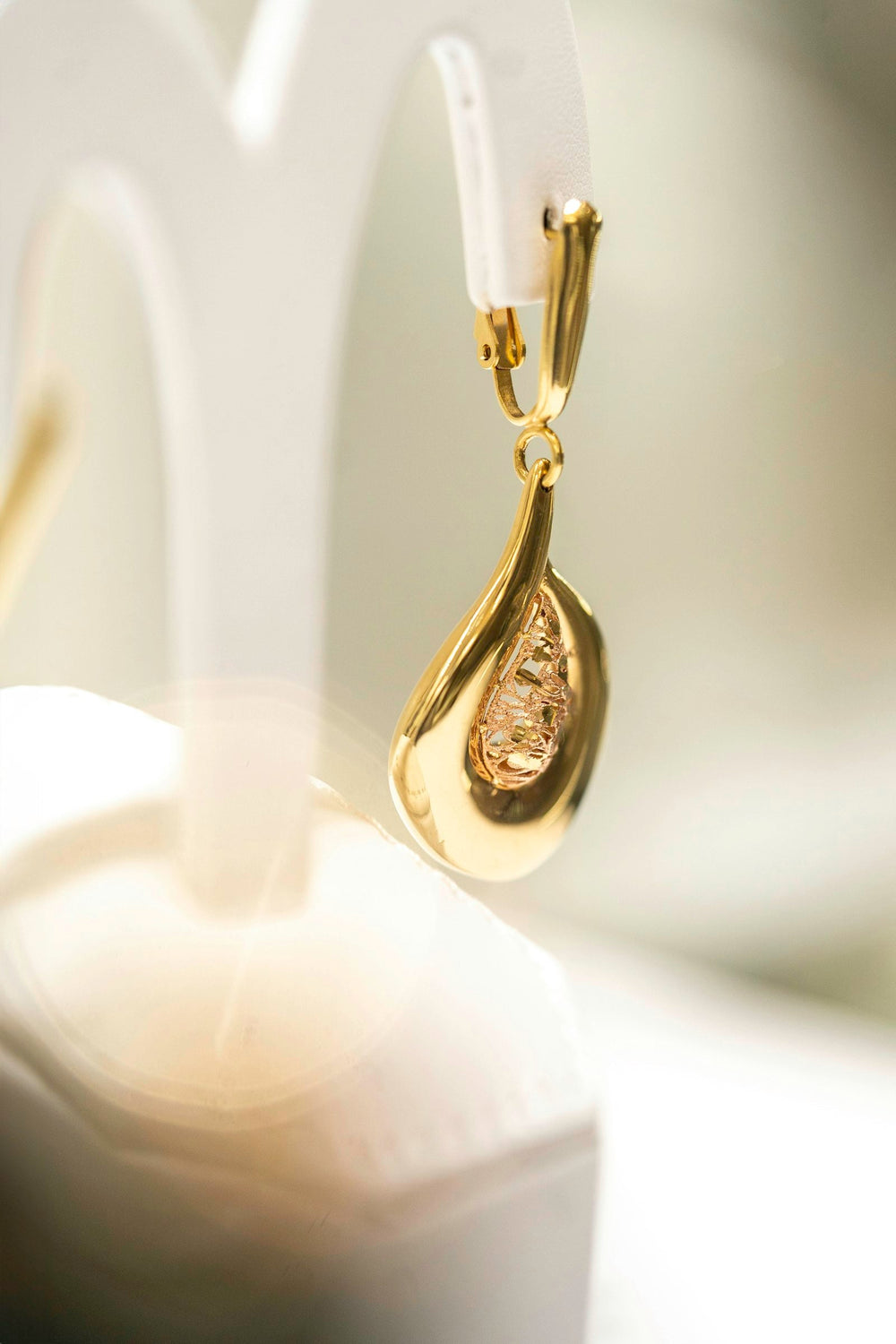
Learn why gold earrings can turn dark, how moisture, residue and wear contribute, and how to care for them without...
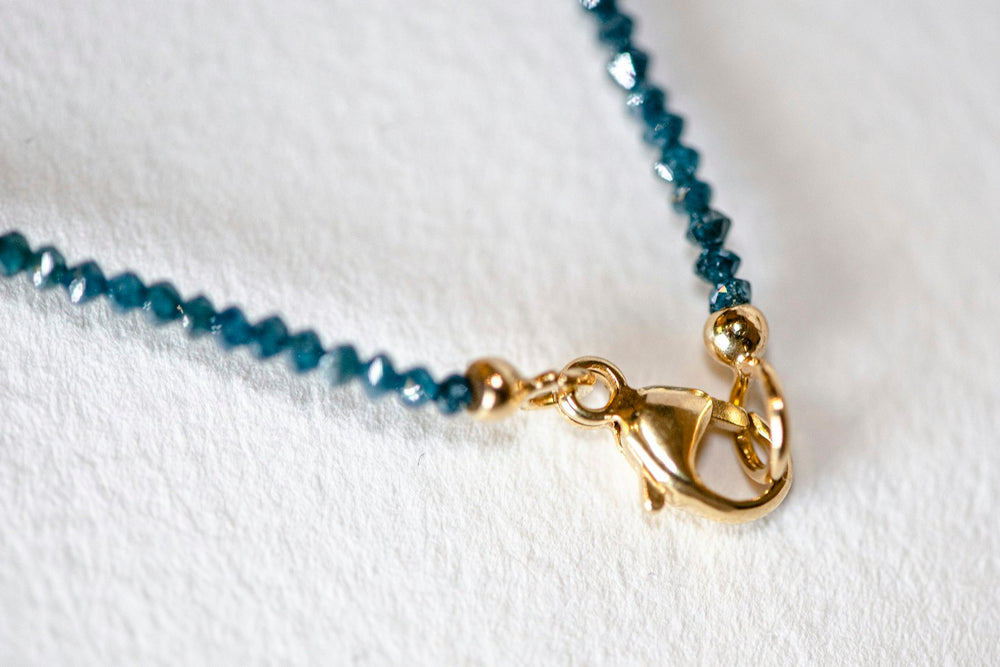
Find out why a necklace clasp can move to the front, how chain weight and movement affect it, and what...
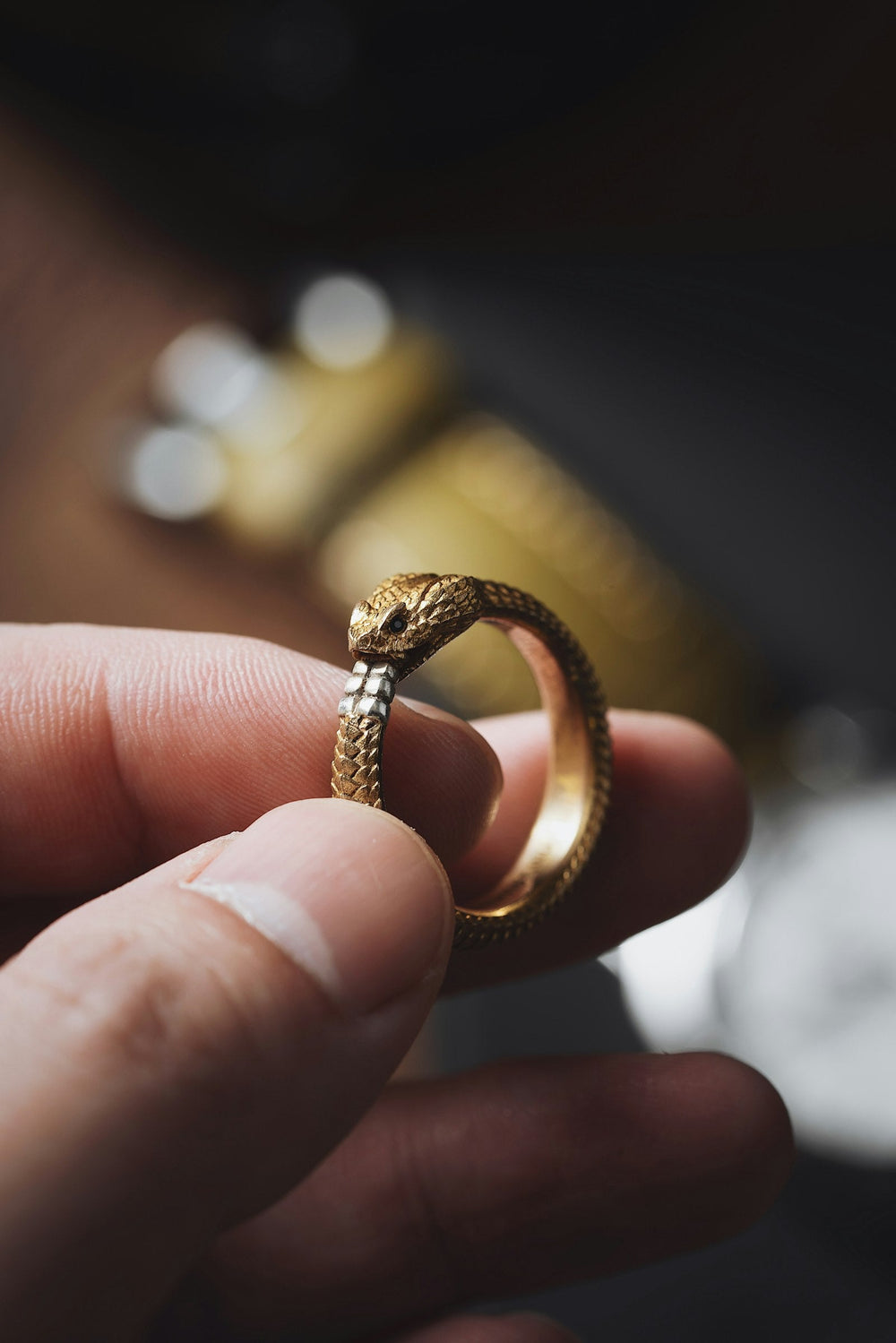
Learn a simple way to measure ring size at home and use the result when choosing jewellery online, with practical...

A practical guide to caring for gold plated jewellery, including cleaning, storage, daily-wear habits and what to avoid. Product-specific care...

Learn a gentle, practical way to clean gold plated jewellery while avoiding unnecessary abrasion, harsh chemicals and moisture-related mistakes.
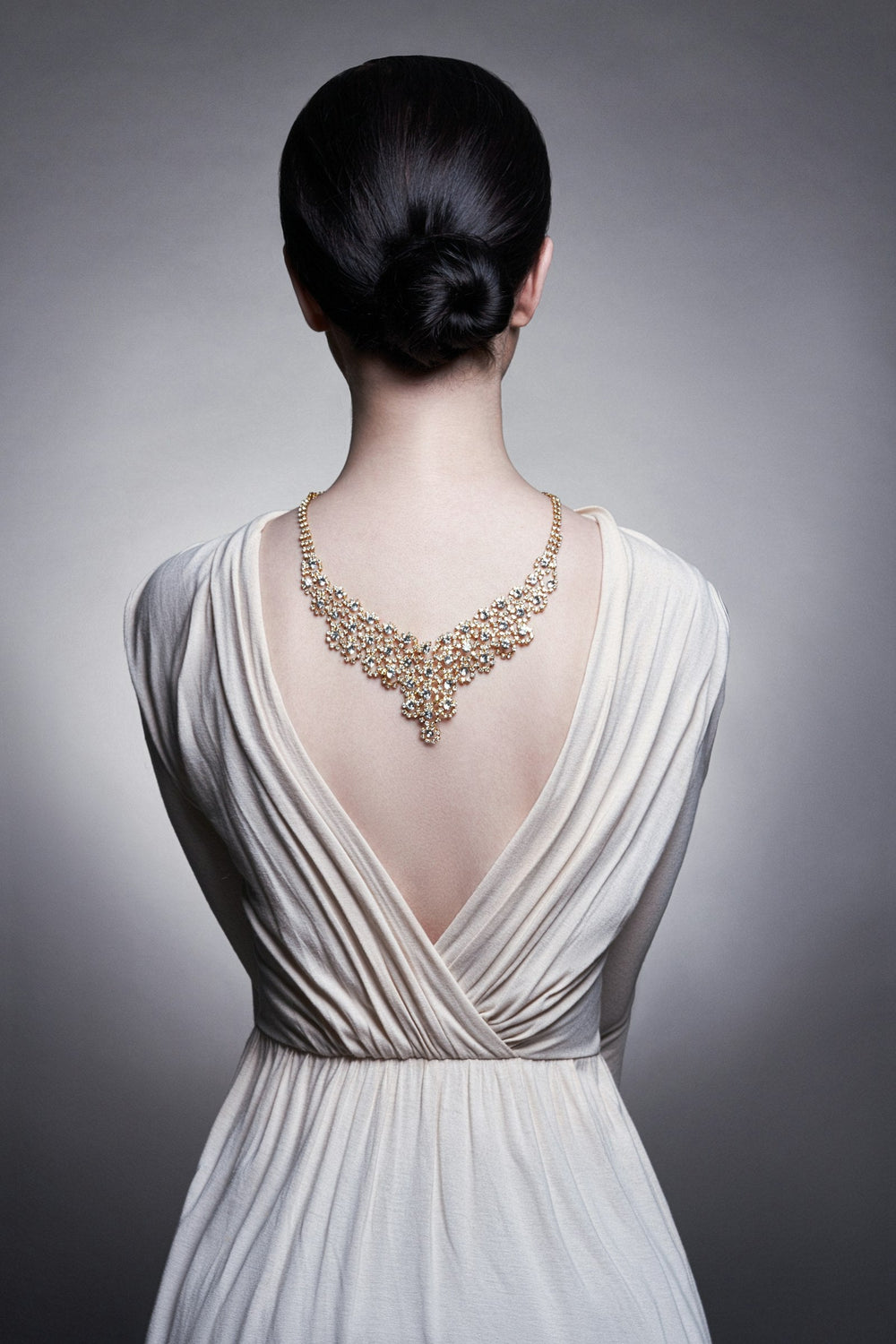
A practical guide to choosing necklace styles by look, occasion and layering preference, with links to REVOSHA's necklace collections and...
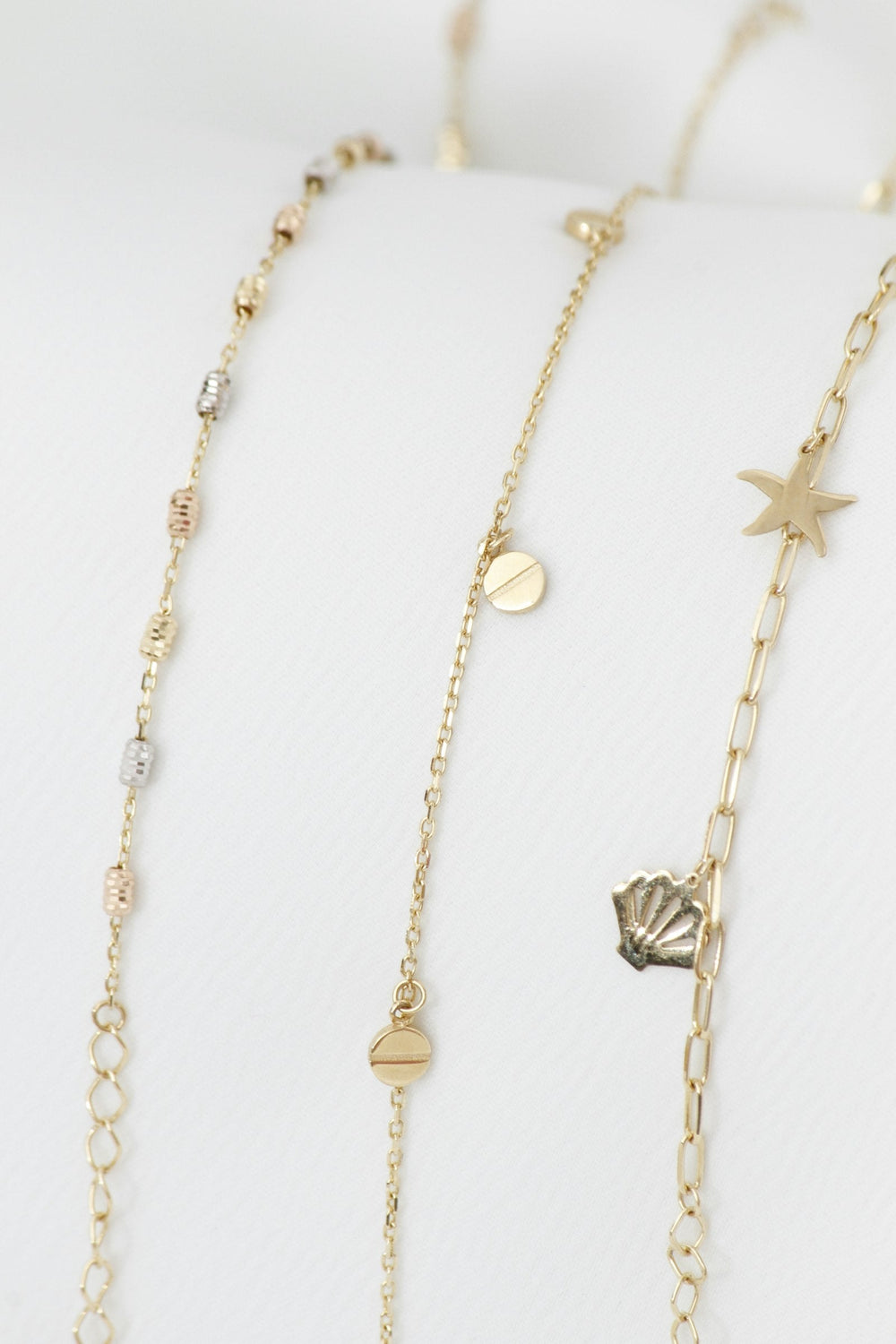
Simple necklace layering tips covering lengths, focal points, outfit necklines and how to combine chain, pendant and layered styles.

Understand what affects the wear of gold plated jewellery, including friction, moisture, personal-care products, storage and everyday use.
Learn how to store necklaces, rings, earrings and bracelets to reduce tangling, scratching, moisture exposure and unnecessary tarnishing.
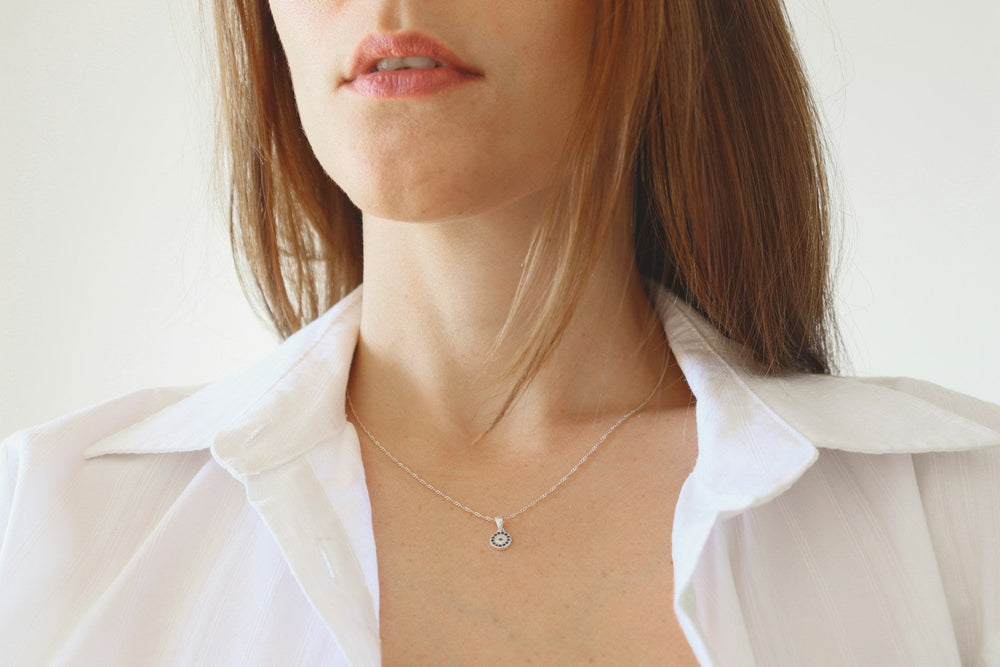
Find out when to remove gold plated jewellery for showering, sleeping, swimming and exercise, plus simple habits that can reduce...
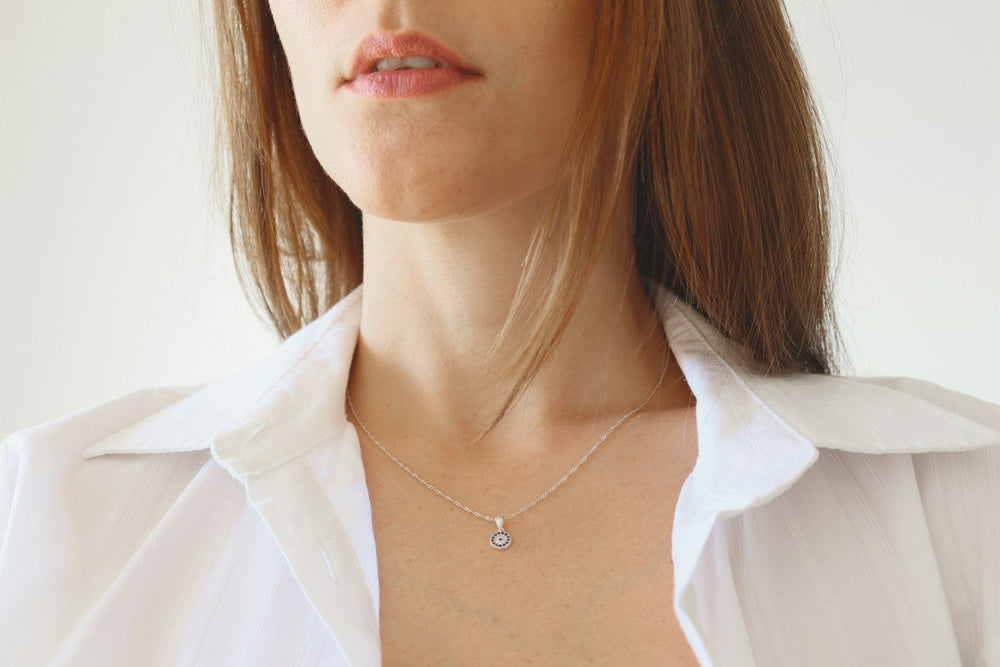
Learn why gold plated jewellery can turn dark, how moisture, sweat, products and friction affect it, and how to prevent...

Choose a meaningful jewellery gift with practical tips for selecting necklaces, rings, earrings and bracelets for different styles and occasions.

Wondering about gold plated jewellery for daily wear? Learn what to check, how to care for pieces and how to...
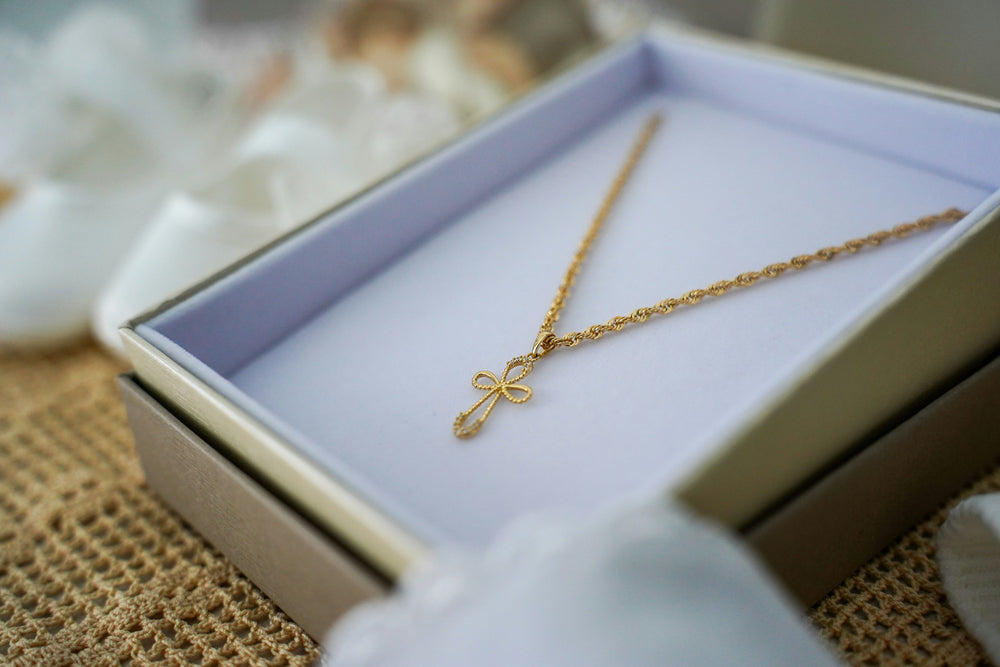
Shop REVOSHA jewellery for gifting and everyday style. Explore necklace, ring, earring and bracelet ideas for meaningful occasions.
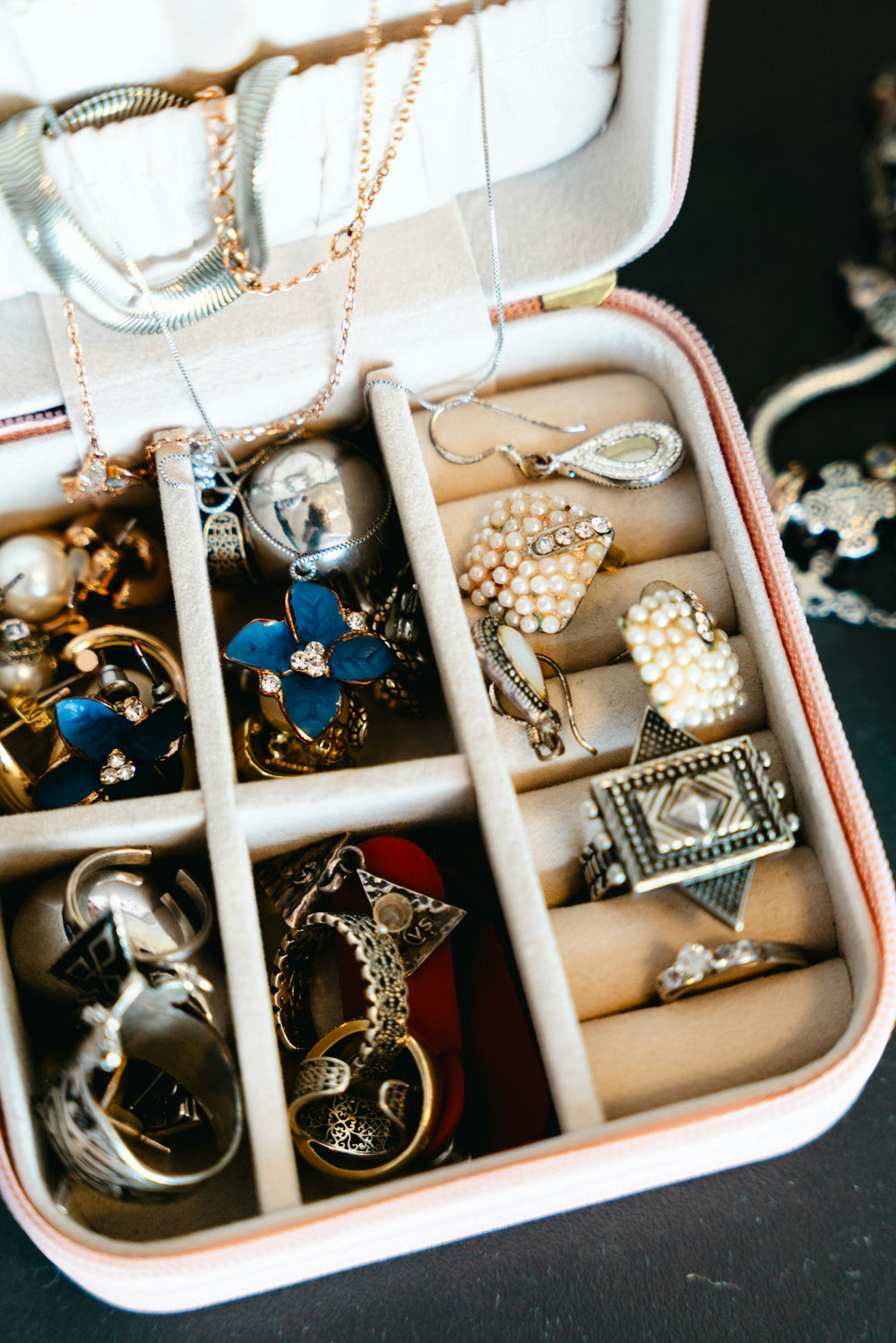
A practical guide to gold plated jewellery, including what the finish means, what to check before buying and how to...

Practical jewellery travel tips for packing, styling and caring for necklaces, rings, earrings and bracelets on your next trip.
A practical buyer’s guide to choosing gold plated jewellery, including what to check in product details, materials, care guidance and...